
Back in Alaska, okay… let’s talk about Kenai!
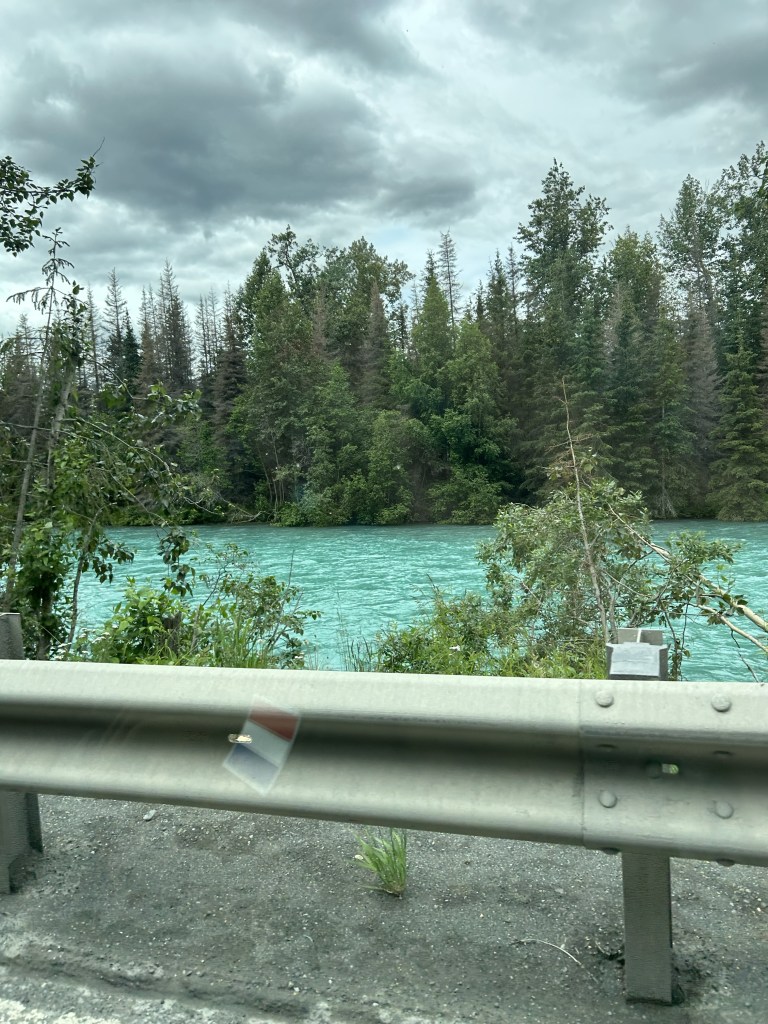
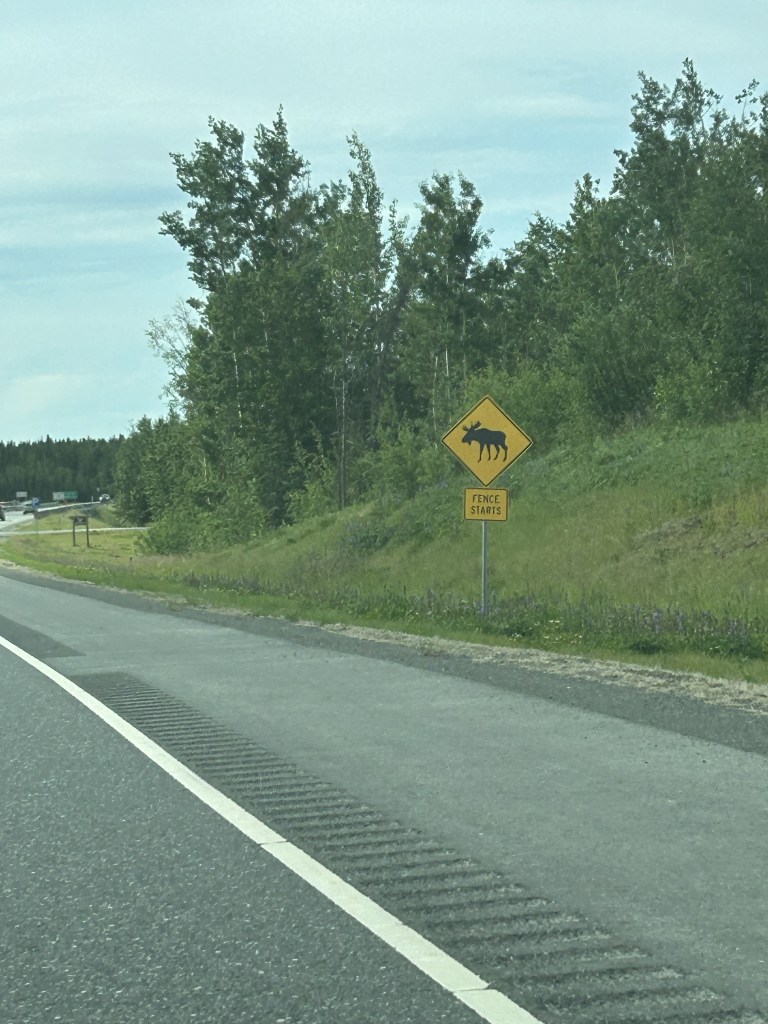
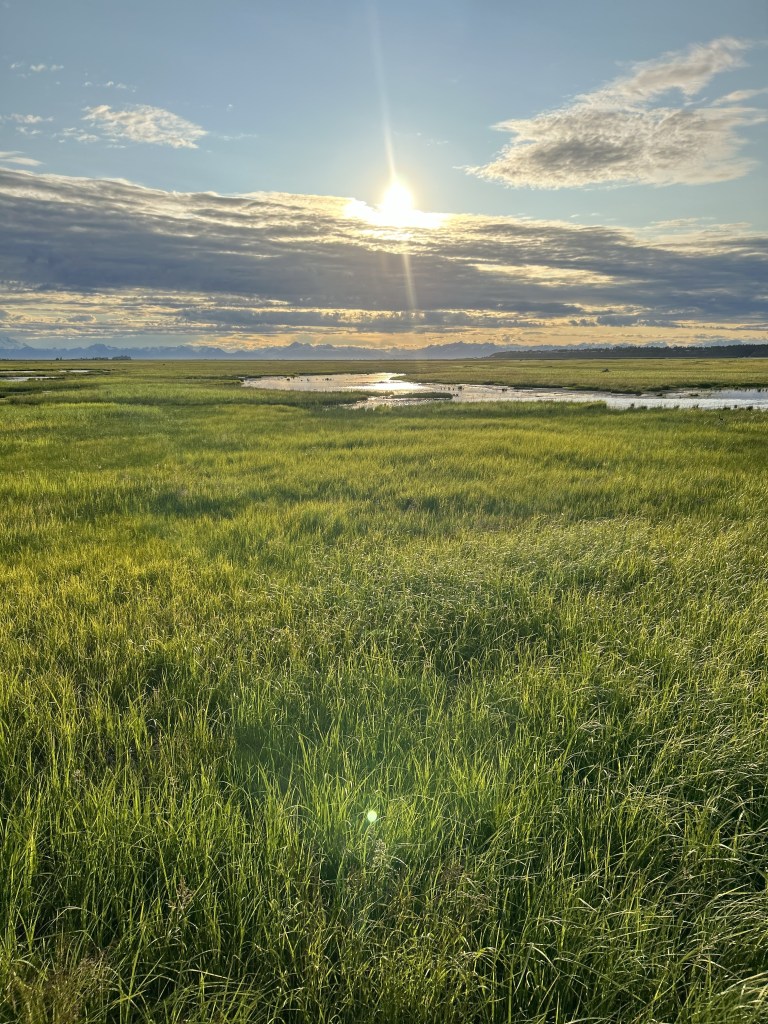
The first thing we noticed about Kenai when turned west to head to a different region of the peninsula was the return of cellphone service. Just kidding (kind of)… Misty mountains and fjords gave way to smaller peaks and river delta land. Eagles soared between the towering trees and moose signs became plentiful along the roads. And there, along the roadside, we could just glimmers of turquoise water rushing down towards the Cook Inlet.
If you’ve never seen glacier rivers in real life, the water is the most beautiful turquoise green of all colors. Compared to our sometimes blue, sometimes muddy brown water on the coast, I was immediately mesmerized by this new water.
As we traveled further West, the land slowly flattened around us and we glimpsed the river along the roadside more and more often. It seemed like a promise of wonder and adventure when it would be our turn to take to the river for sockeye.
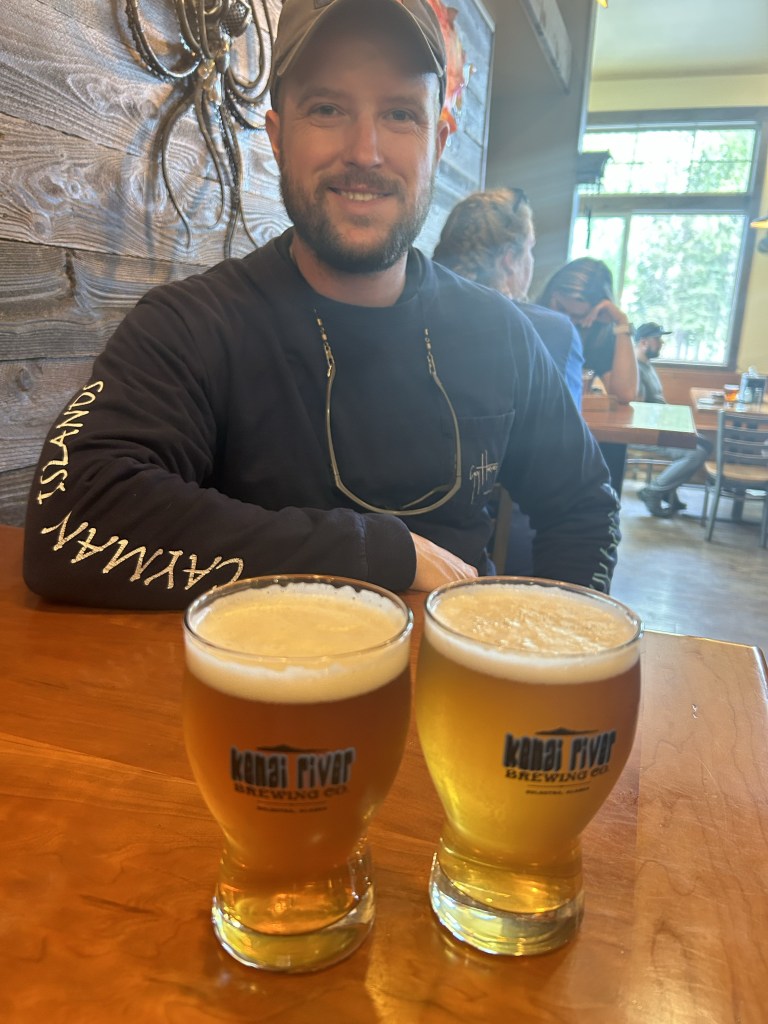


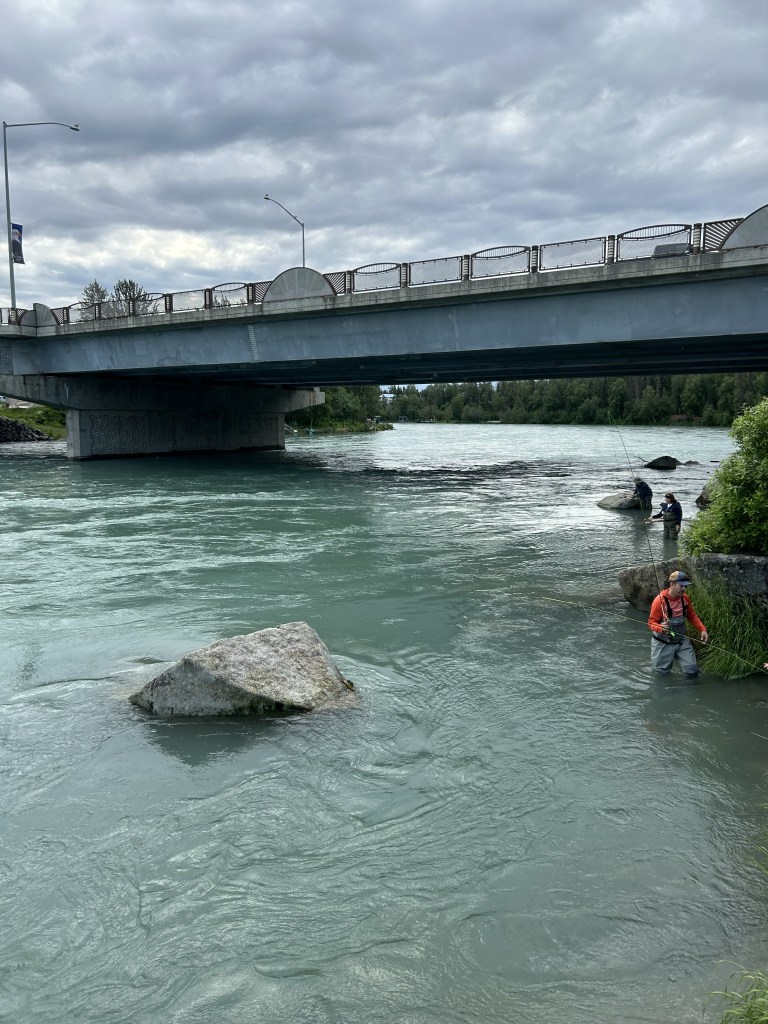
We woke the next day to rainy, dreary morning; thank goodness for rain gear. The anticipation of finally getting out to fish was impossible to ignore, so we spent the morning wandering around between Soldotna and Kenai, which are about 10 minutes apart along the highway.
The time finally came for us to meet our guide at the boat ramp and start the true treat of our trip! We had our rain gear packed with plenty of layers so we were ready for some cooler temperatures and water. Captain Rob set us up with some hip waders and we were off to the races, the green water gleaming under an overcast sky.
There are two things that my husband and I immediately learned about fishing in a new place for a new species on this trip. #1: do some research. We had no idea what we were getting ourselves into when we took on “flossing” for sockeye and were completely unprepared when our guide asked us if we brought our own waders. #2: when you go fishing for salmon in Alaska, bring your own waders!
I digress.
Our main targets on this trip were Chinook and Sockeye salmon, which were both running around this time. Fishing for the Chinook was slightly more familiar to how we fish in South Texas; our guide cast out some special lures to float behind us and we trolled along banks in the hopes of encouraging a king to bite.
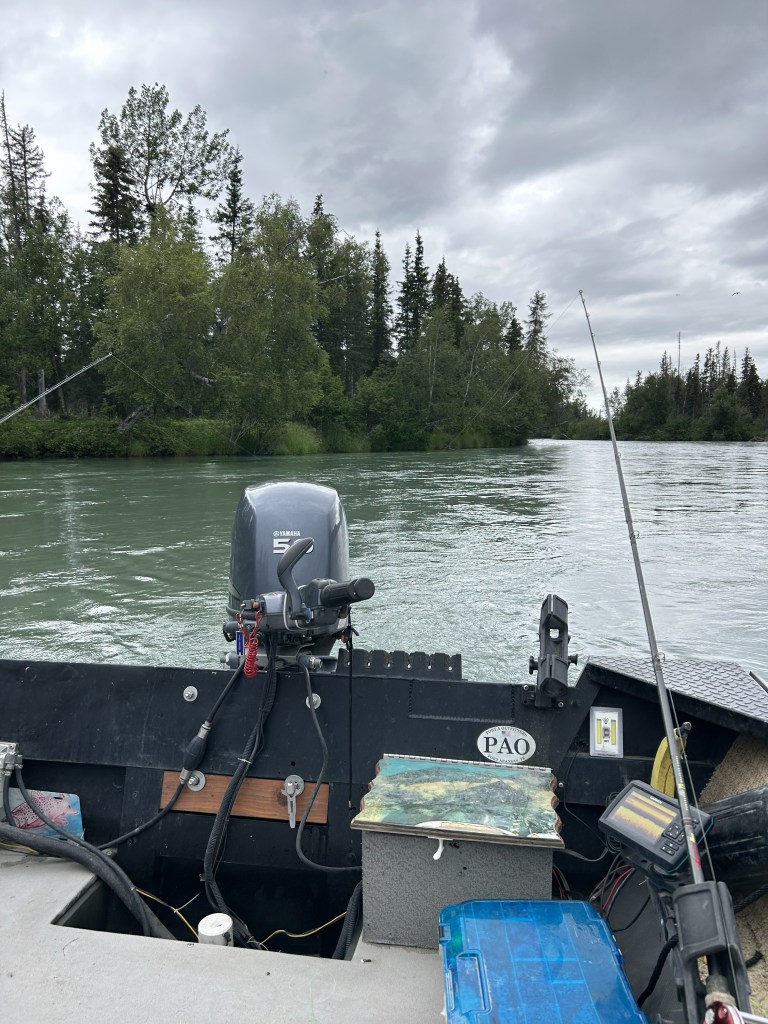
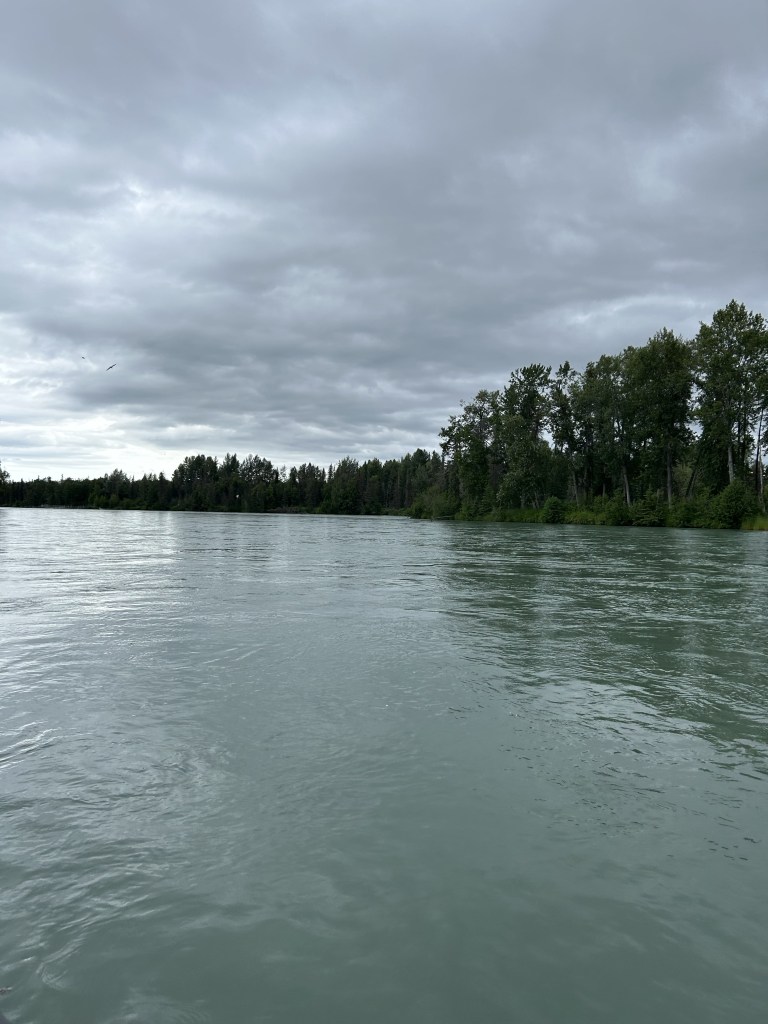
Suddenly, one of the rods bent over and the captain went to bring in the other rod; fish on! My husband, Court, let me take the first hook of the day and I slowly reeled the in fish with Captain Rob’s guidance. I imagined the kinds of the Chinook salmon I’d seen online when looking forward to this trip and couldn’t wait to see how big this one was. The funny thing about fishing for a new species is that it’s almost impossible to gauge how big the fish is; this one felt like a lower slot speckled trout, to me.
Captain Rob netted the fish and lifted it just high enough to let us get a look, but never removing it from the water. “Take a picture of it if you want,” he said, holding the net still while I grabbed my phone to take quick snap. No sooner had we taken some pictures, he unhooked it and let it go again.
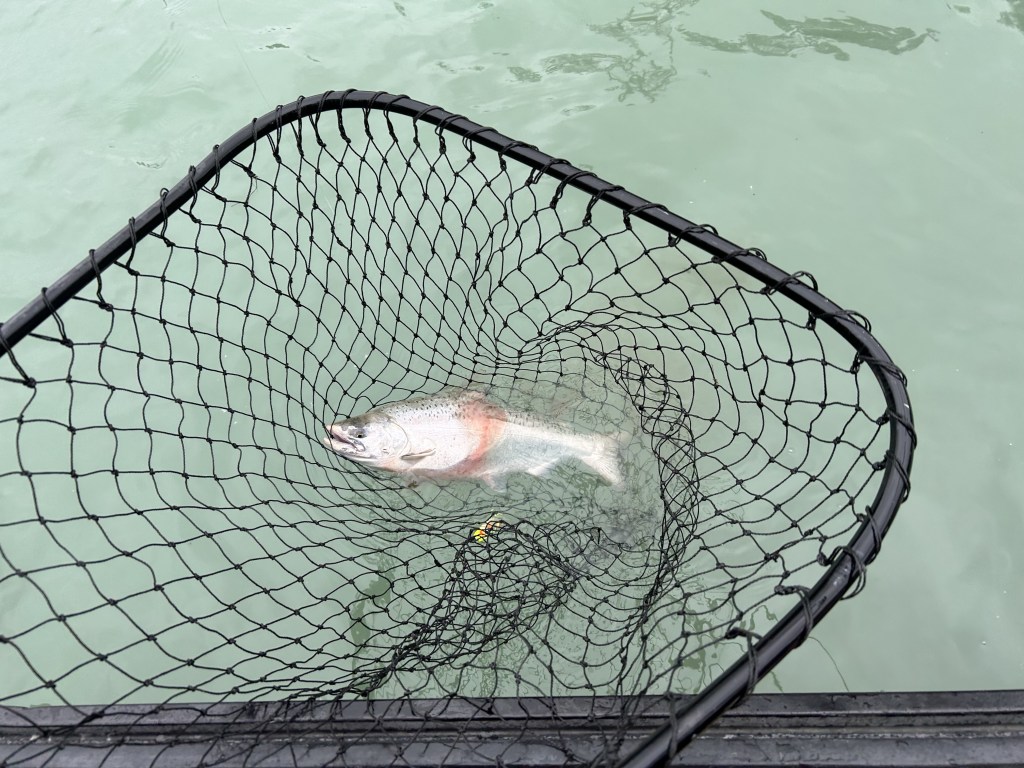
“We can’t take kings out of the water,” he explained. This baffled me as we tossed out the rods to try again. I knew we weren’t allowed to keep them, but we couldn’t even take them out of the water? This wasn’t the Chinook fishing I had expected, and we could tell Captain Rob was a little bit disappointed, too.
While we waited for another bite, he told us more about the Chinook fishing he’d experienced over the 30-odd years he had been a guide in the area. He told us about monster kings that they used to catch when we first started, fish that would fight over an hour and drag you all over the river. He showed us pictures of Chinook almost as big as the King Fish we catch offshore and I couldn’t imagine hooking into one of those on this lighter tackle!
So where had all these fish gone?
It was a painfully familiar tale. As commercial fishing grew in the area, Chinook populations started to go down. Recreational anglers would catch these big breeder salmon and keep them rather than letting them continue upriver to make more salmon. He recalled more than a few instances with slightly misty eyes about hooking into these huge salmon and offering discounted (sometimes even free) fishing trips if the customer would release it back to the river; but most of them kept the fish anyway.
Over time, the damage had been done; the chinook salmon populations around Cook Inlet and along the Kenai River began to dwindle. Regulations and limits put in place were too little too late. The Kings of the Kenai were disappearing.
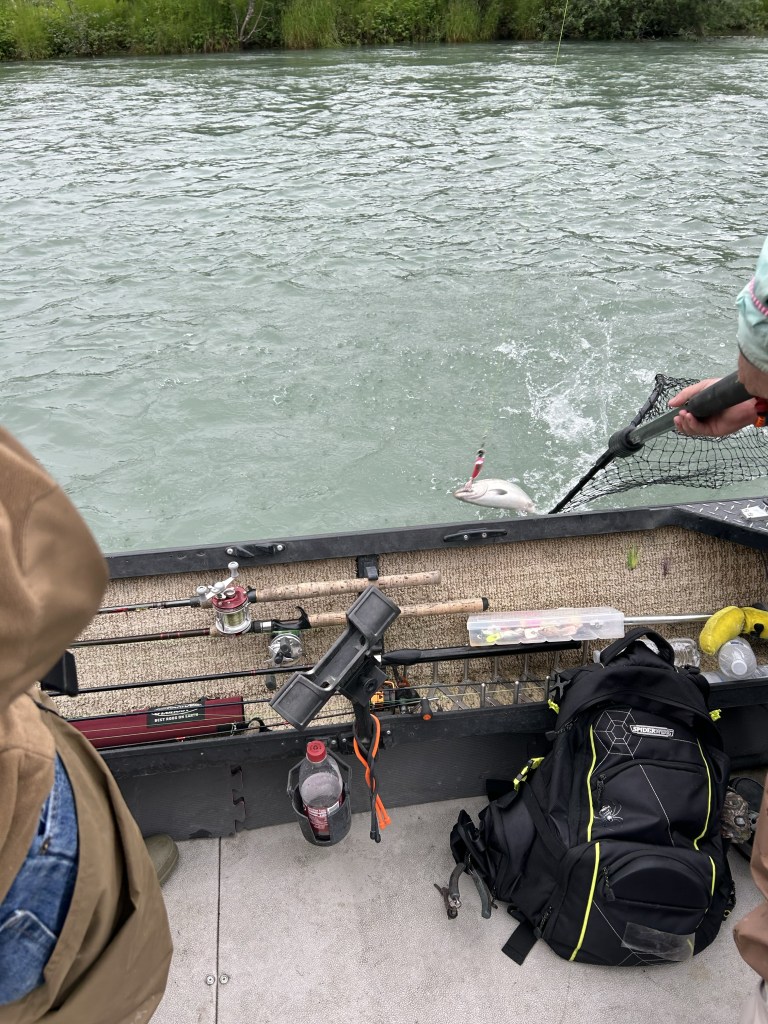
It wasn’t long after this that Court got his chance to bring in a fish! The rod bent over as if on cue from our conversation and we jumped up to help him. Just as we brought in the other rod, Court had brought the salmon up next to the boat and Captain Rob quickly netted it for a picture. I imagined what these little salmon could grow into based on Rob’s pictures, and I hoped they made it that far. That maybe their populations could someday rebound with the right management.

Since this trip, I’ve started looking into commercial fishing and its effects on populations, but that is a post for another time. Unfortunately, this would become the theme of the fishing portion of our trip.
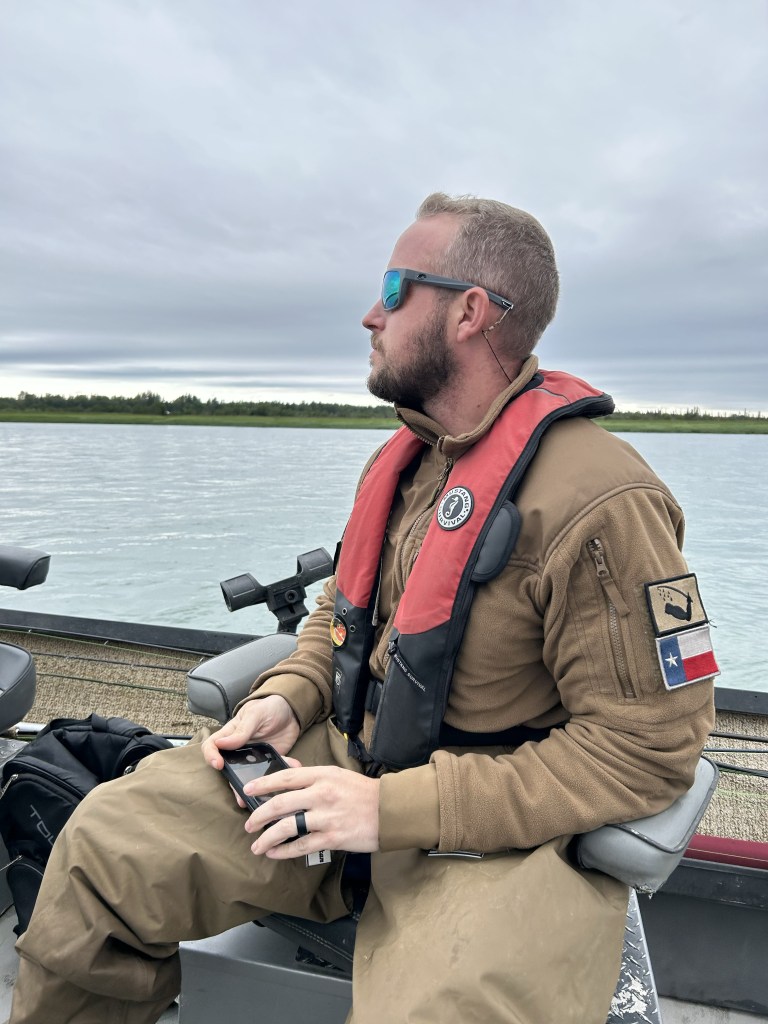
The fishing continued to slow down from here, but Captain Rob and Captain Court got to talking about being captains in Alaska versus Texas. With a grin, Rob offered to let Court captain the boat for a few minutes. If you’ve ever met my husband, it’s when he gets quiet and more reserved that you know he’s actually very excited; Court accepted the offer very calmly, though I know he was so excited!
So for one trip, Court got to captain a fishing vessle on the Kenai River. That’s a pretty cool experience to bring home!
At this point, Captain Rob was ready to move away from targeting Chinook and on to targeting sockeye. This is where we messed up by not having our own waders, but the hip waders were a huge help.
We pulled over onto a bank and carefully climbed into the rushing water. It sounds kind of silly now that I’m writing it, but I just never realized how different it would be to fish a river versus the ocean bay. On the bay, we deal with wind, water clarity, air/water temperatures, depth, and structure on the bottom. I’ve never had to worry about the strength of the current, fishing in the right direction, and trees. The trees, though!
Captain Rob explained to us the concept of “flossing” for sockeye and then turned us loose. The general idea is that you take your rod (typically a fly rod) and toss it a little upstream, let it float through the water (you’ll have a weight on the bottom that you want to feel bounce), and then you’ll rip it through the water in the hopes of snagging a fish in the mouth. If you hook them anywhere else, you have to release them. Somehow, it felt even harder than it sounds.
Also, I’m not used to using a fly rod of any kind to do anything, so that was also an entirely new experience for me. I suppose you could say… I was a fish out of water…

All jokes aside, Court and I tried our best and didn’t get the chance to test our flossing after all. Captain Rob kept us out almost 3 hours later than we had booked in the hopes of getting into fish, but it just wasn’t happening for us.
Rob was probably even more disappointed than we were after we got back to the docks. That was the first of many times that we would hear about the nets; the nets would go out at the mouth of the river a couple of days during the week for commercial fishing. These nets would, naturally, prevent many fish from actually making it into the river and would make fishing for them upriver extremely difficult.
The odds had been against us that day, not unlike many days we had spent on our home waters. When it comes to hunting, fishing, or trapping, there’s just never a sure thing. No matter how much you hear about a place or type of fishing, they’re also vulnerable to the elements that make nature unpredictable where you live.
A deer that walks the same route every single day will eventually decide to take a detour for some unknown reason; fish that have been pentiful and biting in the same little spot will suddenly stop biting or move on; the pond where ducks like to land on their trek south will suddenly seem unappealing to a glock for an unknown reason.
That’s nature. Even when you travel all the way to Alaska, nature will be unpredictable.
We were, admittedly, a little bit disappointed by our first fishing trip in Kenai for sockeye salmon. There were a lot of factors against us, but we still got to go fishing in Alaska for salmon on the Kenai River. The trip of a lifetime. We still got to be a part of the tradition and learn a completely different way of fishing. I think the greatest lessons come from the hardest days, both in life and in fishing.
While Court had to pack up to end his trip, mine was just beginning. The next day, I would meet up with three other women from ReelCamo Girl for my first ever women’s fishing trip and get to experience something else entirely new for me; fishing without my mentor for the first time.

 Jess and the Outdoors