Jess AND the Outdoors

If you’re still here after this year, I want to say thank you. You’re one of the real ones who stuck around even when I didn’t, and I appreciate you!

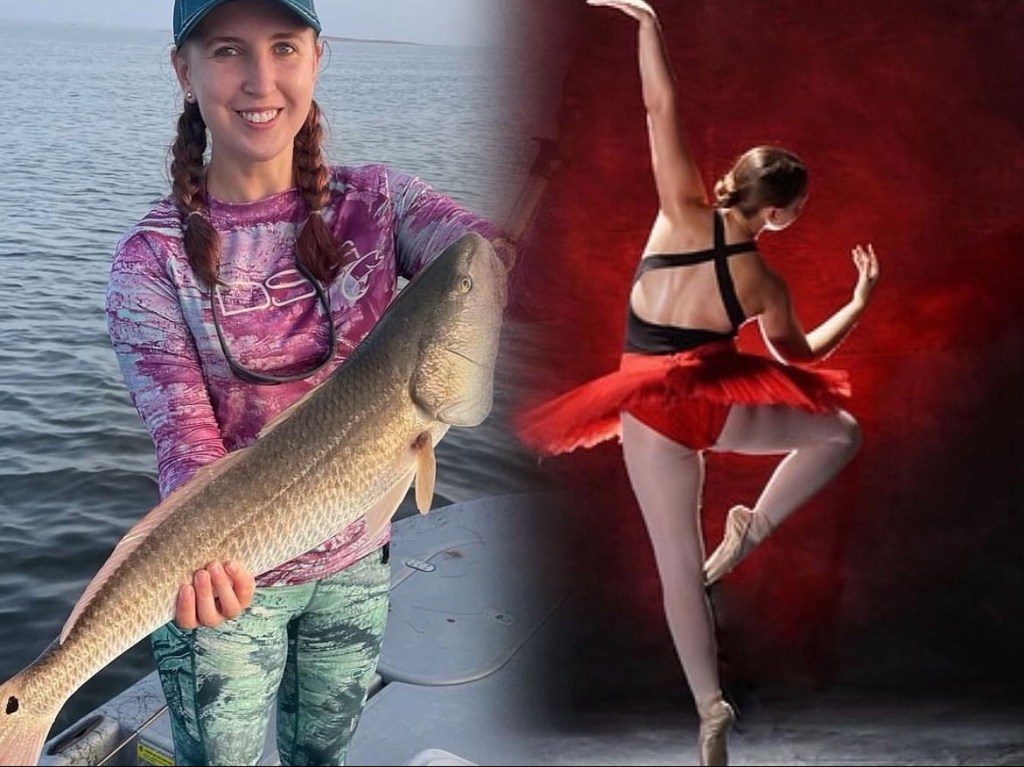
2023 was one of those years where life happened, and life happened hard. Court and I got to travel on a whirlwind adventure literally around the world in February. I got to perform a principal role in the local ballet company’s production of Cinderella in April. We watched my sister get married and start a new chapter of her life in May. We even made it to Alaska for an incredible adventure in July.

But life happens.

In June, the water in the Laguna Madre went down to winter tides while the temperature went up to wild highs. The fish vanished and every trip down the laguna became just a little more demoralizing for me and Court. We watched weather reports, asked guide friends about the fishing, and nothing changed.

We went from fishing at least once every weekend in the summer to fishing maybe three times the entire summer. With prostaffer spots on the line, I started to panic; I have no content because nature is making it almost impossible for me to actually go fishing. I have no content, and I’m going to lose everything I’ve worked for.

With hunting season around the corner after we returned from our trip to Alaska, I started to feel more hopeful. We always had at least a couple of trips planned for hunting season, and I knew I could stretch out some content that I was able to generate from there.
But friends, life happens.

Nutcracker season started up with a promising balance for our hunting plans. The first weekend of rehearsals, we spent time away with family, so I wasn’t worried about missing rehearsals. The second weekend, I got knocked down with a nasty infection, so I missed again. But I still figured I could squeeze in one hunting weekend, and maybe I wouldn’t let my castmates down.

But. Life. Happens.

On November 1st, my grandfather passed away. My family came together in Eastern Oklahoma about two weeks before Thanksgiving to say goodbye and to be together for a few days. Being back at my grandparents’ farm for the first time since 2019, in the quiet of the Oklahoma countryside, it brought back a lot of memories.

Of fishing on the pond and squealing because I didn’t want to touch a fish. Of picking okra and asparagus from the garden to make for dinner that night with Grandma. Of talking about God with Grandpa. Of picking wildflowers over spring break and making a bouquet with my sister. Of sitting on their front porch with a book, feeling the breeze stir through the eaves while humming birds hovered around the feeder.

It was a simpler time, where we lived with nature because that was life, not because we had to make content for social media.

These memories lingered with me when we returned home and entered the final stretch of the Nutcracker, whitetail, and holiday season. It wasn’t easy to put deer hunting aside, but my castmates were depending on me at the ballet, and I was anxious to enjoy another show on stage after so many years of being denied the chance.

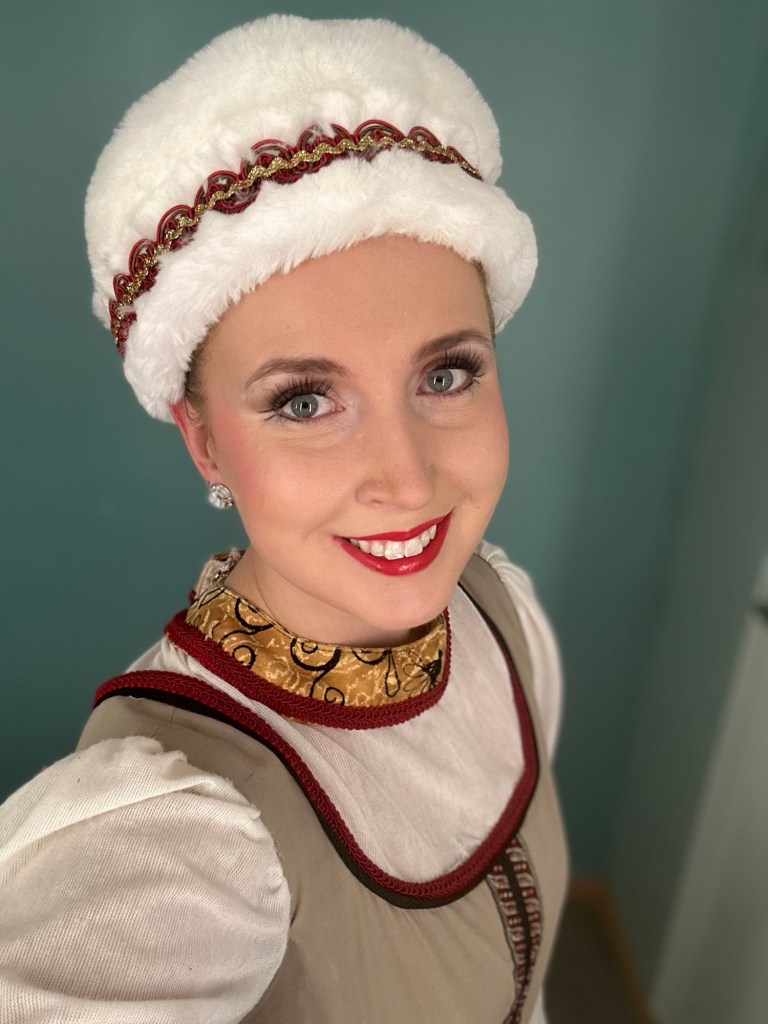
It wasn’t until I collapsed onto the couch on December 17th after completing my final Nutcracker show of 2023, that I finally admitted to myself that I didn’t know what to do anymore. I felt broken. My body was battered and hurting after battling injuries all fall. My mind raced for ideas on what I could possibly post when I hadn’t been outdoors in months. Hunting and fishing had become an important part of our lives; it sustained us physically and spiritually in so many ways. Dance had finally come back into my life, and I was going to continue dancing on borrowed time for as long as my body would allow.

My exhaustion mutated into anger. I am not a niche!!!!!

And that’s when it hit me; I’m not a niche. I’m not just an outdoorswoman. I’m not just a ballet dancer. I’m not just a blogger. I’m not just a reader. I’m not just a gym rat. I’m not just a helicopter dog mom. I’m not just a wife, sister, daughter, teacher, choreographer, marketer, etc.

I am all of those things.

And I’m tired of trying to fit all of those things into one, simple, tidy category that I can check off on Instagram’s “what kind of profile are you?” section.

So I won’t anymore.

The outdoors is a huge part of my life; we subsist off of the things we catch and harvest, and I want to do more! I live in a city, so I’m not able to hunt every single day during deer season, and that’s the way it is. I have a small backyard and live in a Coastal Plain climate for goodness sake; gardening probably isn’t going to be a thing for me. I’m an urban outdoorswoman that enjoys the fruits of her harvest in the food that she eats to fuel her body and provide for her family.

If you’re still here, this is basically my way of saying that I’m rebranding. I’m not Jess in the Outdoors anymore.

I am Jess and the Outdoors, living my life with as much nature as I can fit within my lifestyle in the city pursuing all of the things I love.

There’s going to be more cooking, more unusual ways of harvesting wild game (stay tuned, there’s some exotic hunting in the future this year!), attempts at growing and using something that actually thrives in South Texas (cacti, I guess?), some failed attemps at gardening (I have plans, y’all!), some annecdotes about being a buff ballerina, and lots of adventures centered around the life of an urban outdoorswoman.

For the first time in a long time, I’m feeling really excited and positive about sharing about my journey here and on social media. It won’t be perfect, and it’ll probably be messy at times, but I’m okay with it. If I’ve learned anything this year, it’s that life happens, and sometimes it happens hard. But it’s not about how hard you get knocked down; it’s about getting back up.

So look out, y’all; the Camo-Wearing Ballerina is back.
Archery Season… 2024?

Taking a short break from my Alaska posts (again, I know!) because I’ve been a little under the weather the last week or so, and my brain isn’t forming coherent thoughts about my amazing time there.

As I’ve been scrolling instagram and attempting to breathe through my nose again, I’ve enjoyed seeing the incredible harvests of deer hunters all over North America. Bow season is hot, and it always marks the excitement of the beginning of deer hunting.

Admittedly, there’s always a small part of me that feels a little down during bow season, too. Ever since I got into hunting, I had dreams of stalking through the woods with my compound bow, silently following a stealthy giant and hoping to make it close enough for a good shot.

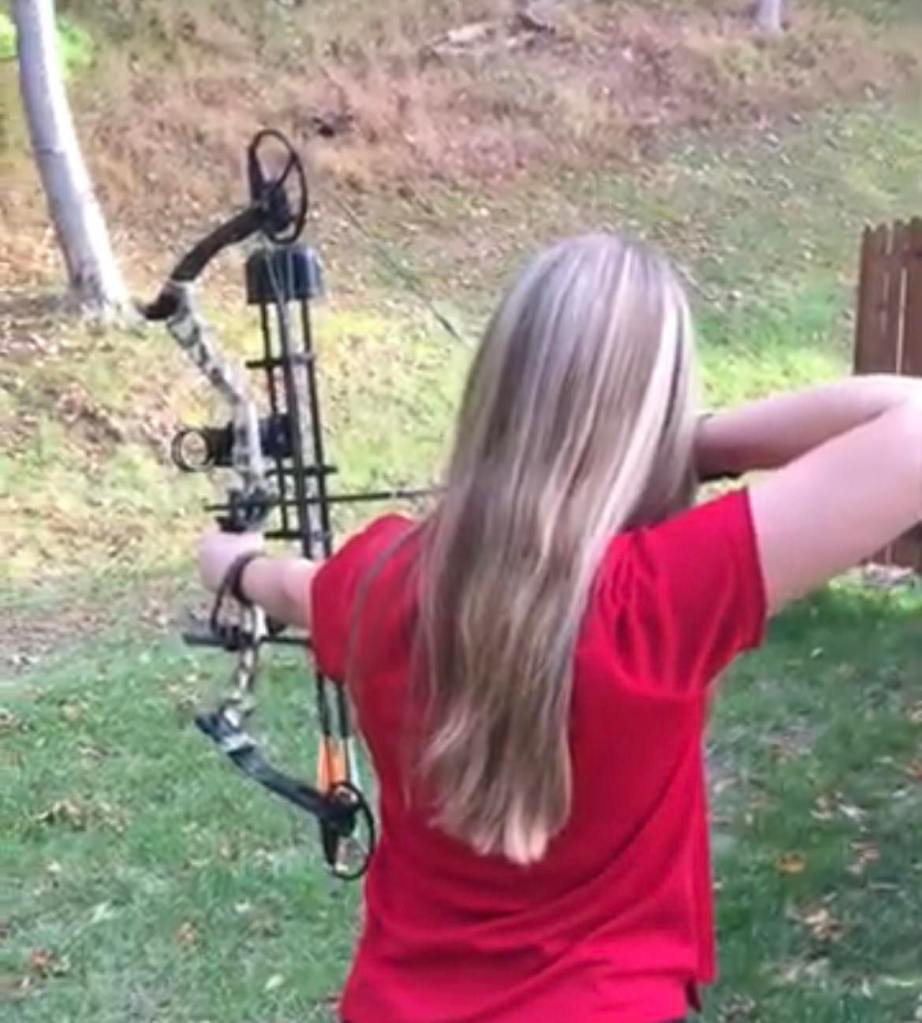
I wanted to bow hunt so bad, that I got a compound bow that I LOVE for Christmas that year. Diamond Archery Infinite Edge from 2015! She’s so beautiful, the perfect fit for my short arms and small self. I love the resistance of drawing back the string, timing my release perfectly as I aim carefully for the bull’s eye. The combination of laser focus through my target and physical prowess to fully draw the bow is everything I’ve ever wanted from hunting.

jessica holding up her compound bow with her back to the camera
This was the first time I ever shot my bow! I was still in my work uniform!

But time and space have gotten in my way, and so I’ve never taken her out during bow season. At the ten yards that I can shoot in my back yard, I’m pretty deadly to my bow target. But that’s just it; I can’t expect to make a 10-yard shot on a deer with only a 35 pound draw weight (I think that’s what it is, it’s been so long that I don’t even remember!).

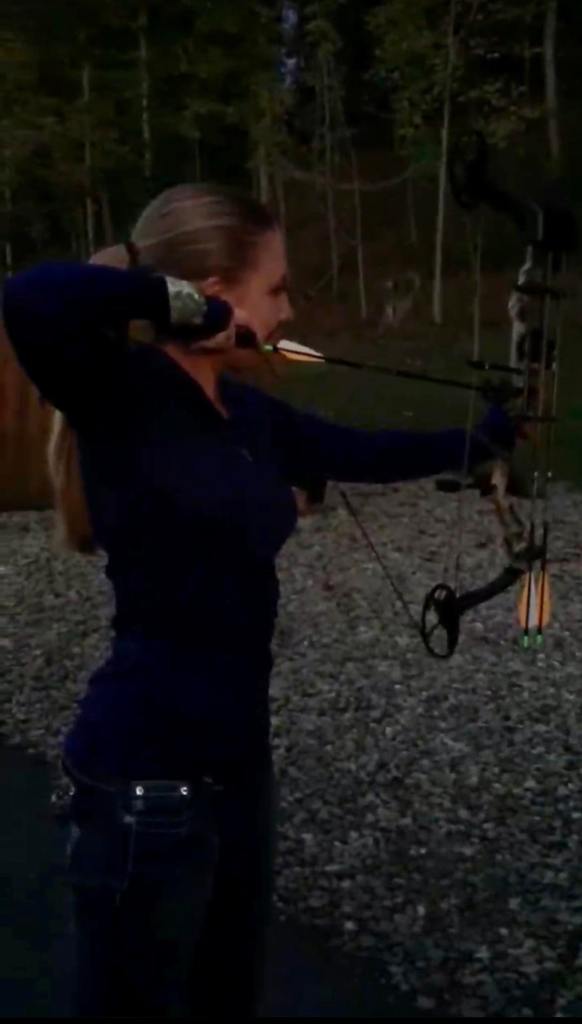
jessica holding up bow at full draw
This is one of the first times I had practiced with it much. When we lived in West Virginia, we had access to a lot more space!

Slowly asfixiating on my own flem on the couch helped me realize a couple of things about myself in my hunting “career” right at this moment;

  1. I get excited to harvest bucks, but I’m still waiting for the one that will beat my personal best (you can read about that buck here!), and I doubt that’s going to happen any time soon. I want to harvest one again at some point, but it’s not my major priority.
  2. I’m learning the value of coming home with meat rather than empty-handed for the buck I want. My husband and I practically live off of wild game, and we would rather have another deer for the freezer than another set of antlers on the wall.
  3. In my mind, considering how we hunt in South Texas, archery is the next great challenge, and it opens many doors to other types of hunts around the country. I’ve been very blessed to harvest many deer with a rifle, and even one with a crossbow, but I’m ready for the next level.
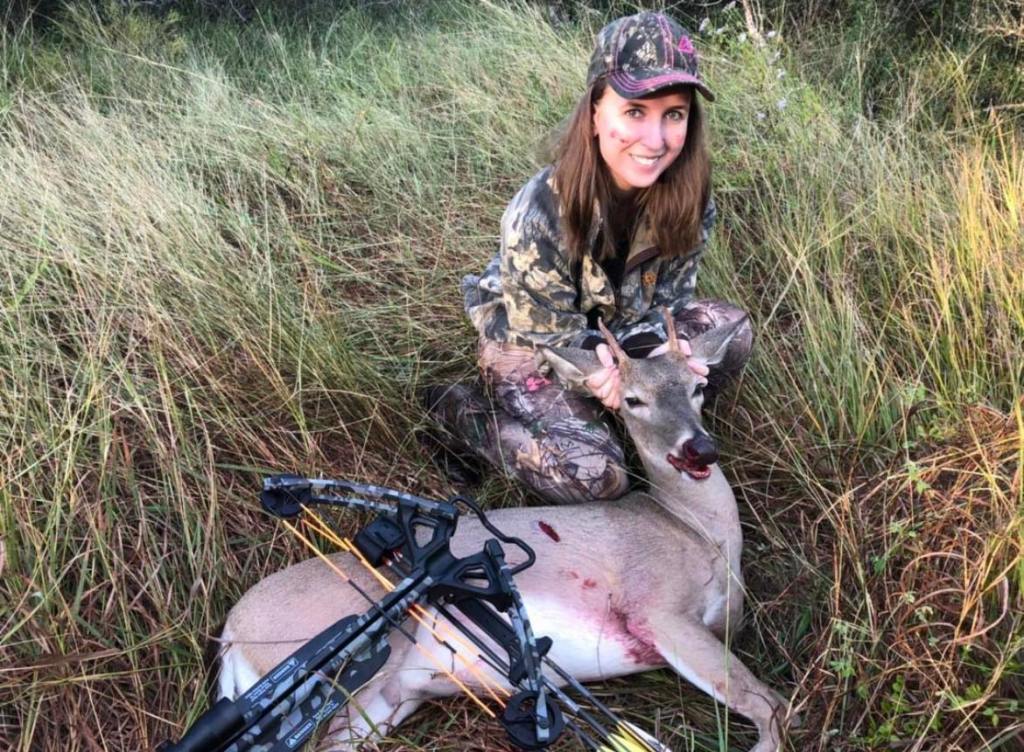
jessica with a crossbow and small deer
This is my first archery deer ever! I don’t care what anyone says; crossbows are bows. It was a perfect first attempt at harvesting a deer with any kind of bow!

Maybe it was the lack of oxygen getting to my brain, but I’ve officially decided to start taking actual steps towards being able to harvest a deer with my bow next season. In order to do that, I have to navigate 3 major hurdles; time, space, and strength. After doing some thinking and a little bit of research, I’ve come up with a plan!

  1. Time: working from home on your own schedule has its advantages! I’m a part-time ballet dancer, and I like to unwind a little bit after morning classes before diving into work. I’m going to tag archery practice onto the end of my ballet classes because of #2…
  2. Space: I found an indoor archery range that’s between my home and the dance studio! On my way home from ballet, I’m going to stop there for a bit to shoot my bow, then head the rest of the way home.
  3. Strength: Consistent practice will help with this, but I’m also going to continue working on my back and rear shoulder strength at the gym. I’ve found a few exercises that I think will help build strenght in the right muscles so I can updgrade my draw weight and finally get where I need to be.

Got my plan, now I just need to actually do it, which is always the hardest part. But I’ve had my bow for eight years. I see people with full time jobs mastering a compound bow and harvesting incredible animals. What’s my excuse?

I don’t have one. Not anymore.

So this is me telling anyone who reads this blog because I want to hold myself accountable. And maybe, if I can do it, someone else out there who wants to become a bow hunter will see this and realize that they can do it, too.

jessica holding up her bow to take a shot

The Last Frontier: Day 1 in Kenai

Back in Alaska, okay… let’s talk about Kenai!

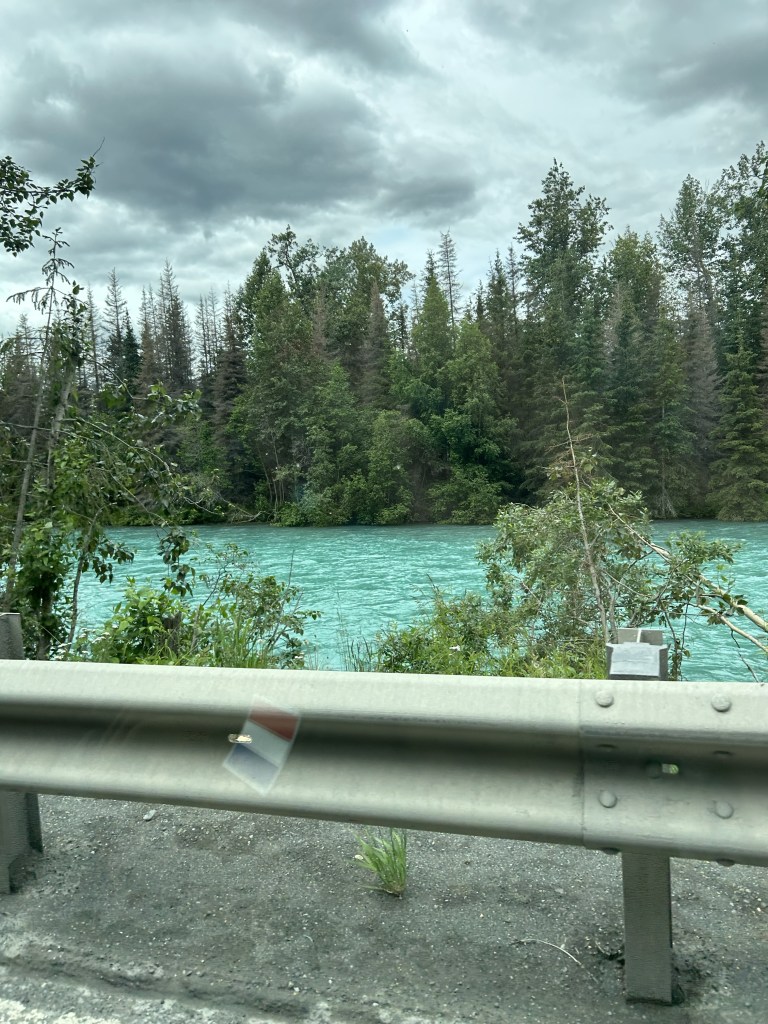
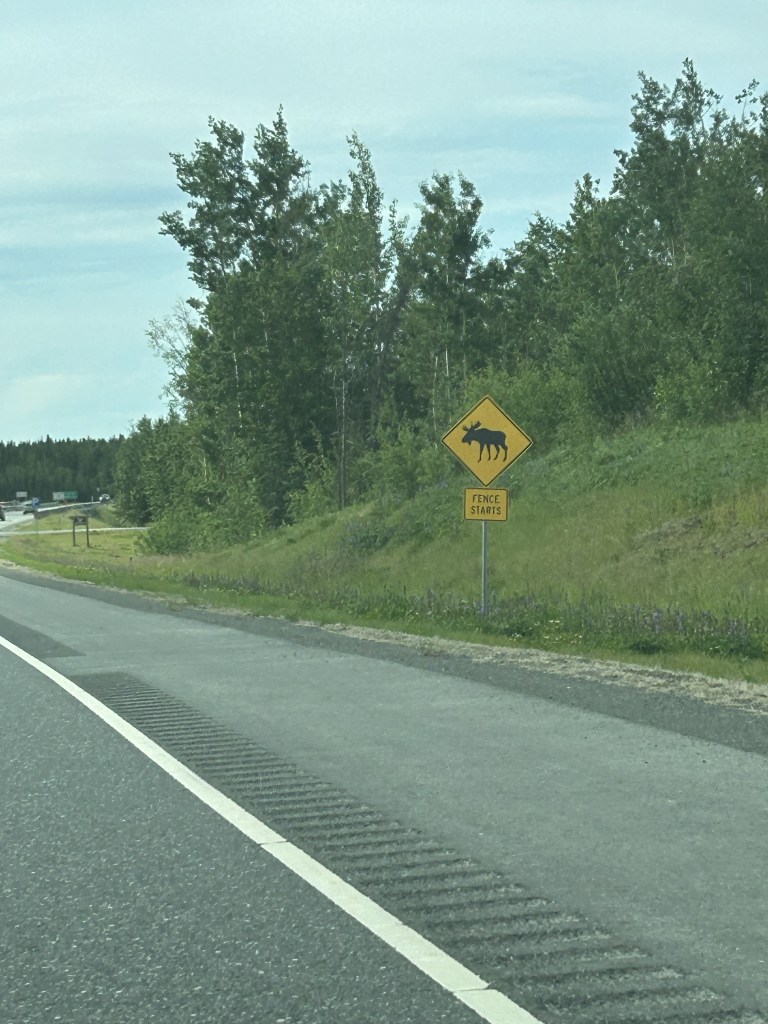
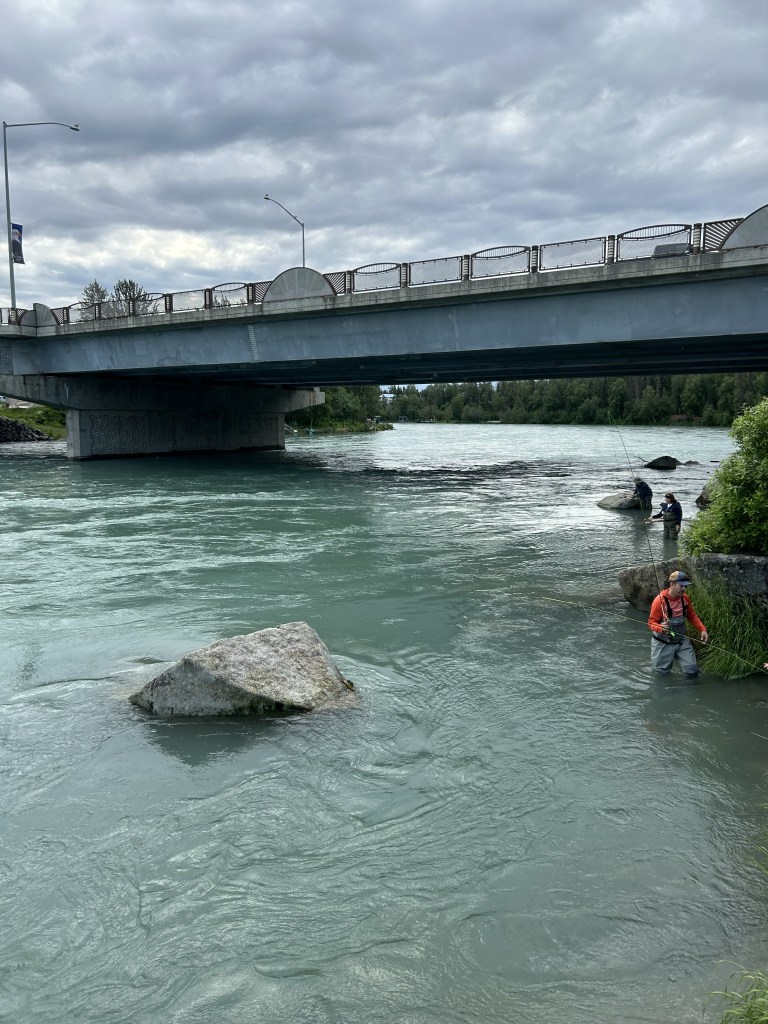
The first thing we noticed about Kenai when turned west to head to a different region of the peninsula was the return of cellphone service. Just kidding (kind of)… Misty mountains and fjords gave way to smaller peaks and river delta land. Eagles soared between the towering trees and moose signs became plentiful along the roads. And there, along the roadside, we could just glimmers of turquoise water rushing down towards the Cook Inlet.

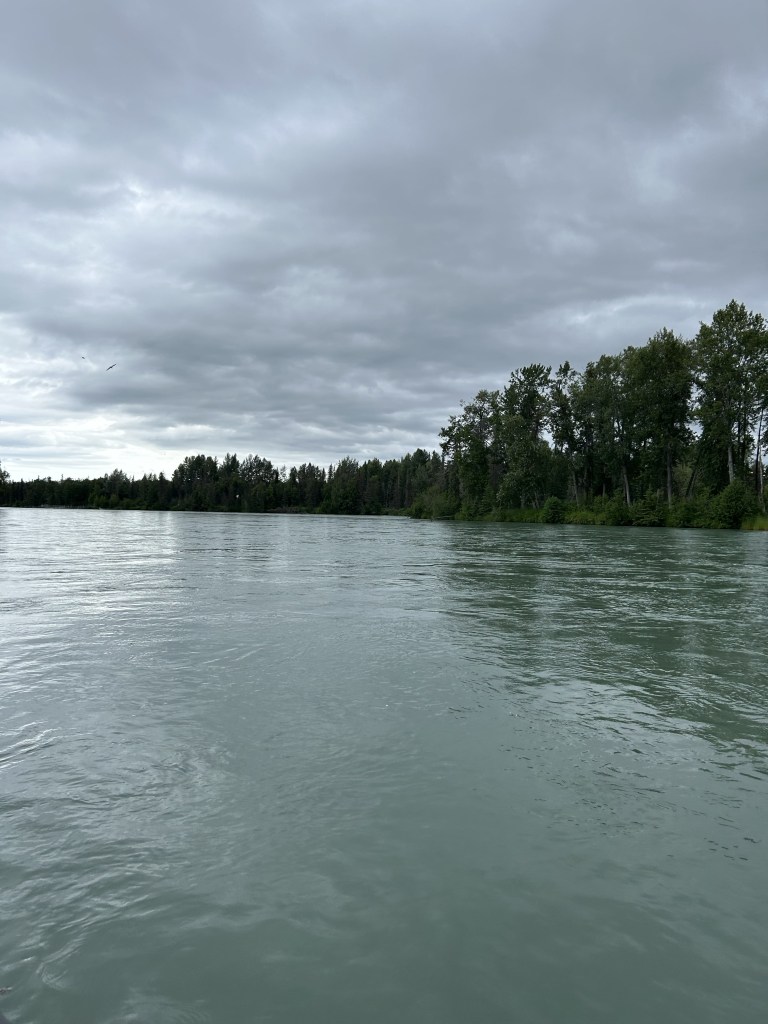
If you’ve never seen glacier rivers in real life, the water is the most beautiful turquoise green of all colors. Compared to our sometimes blue, sometimes muddy brown water on the coast, I was immediately mesmerized by this new water.

As we traveled further West, the land slowly flattened around us and we glimpsed the river along the roadside more and more often. It seemed like a promise of wonder and adventure when it would be our turn to take to the river for sockeye.

We woke the next day to rainy, dreary morning; thank goodness for rain gear. The anticipation of finally getting out to fish was impossible to ignore, so we spent the morning wandering around between Soldotna and Kenai, which are about 10 minutes apart along the highway.

The time finally came for us to meet our guide at the boat ramp and start the true treat of our trip! We had our rain gear packed with plenty of layers so we were ready for some cooler temperatures and water. Captain Rob set us up with some hip waders and we were off to the races, the green water gleaming under an overcast sky.

There are two things that my husband and I immediately learned about fishing in a new place for a new species on this trip. #1: do some research. We had no idea what we were getting ourselves into when we took on “flossing” for sockeye and were completely unprepared when our guide asked us if we brought our own waders. #2: when you go fishing for salmon in Alaska, bring your own waders!

I digress.

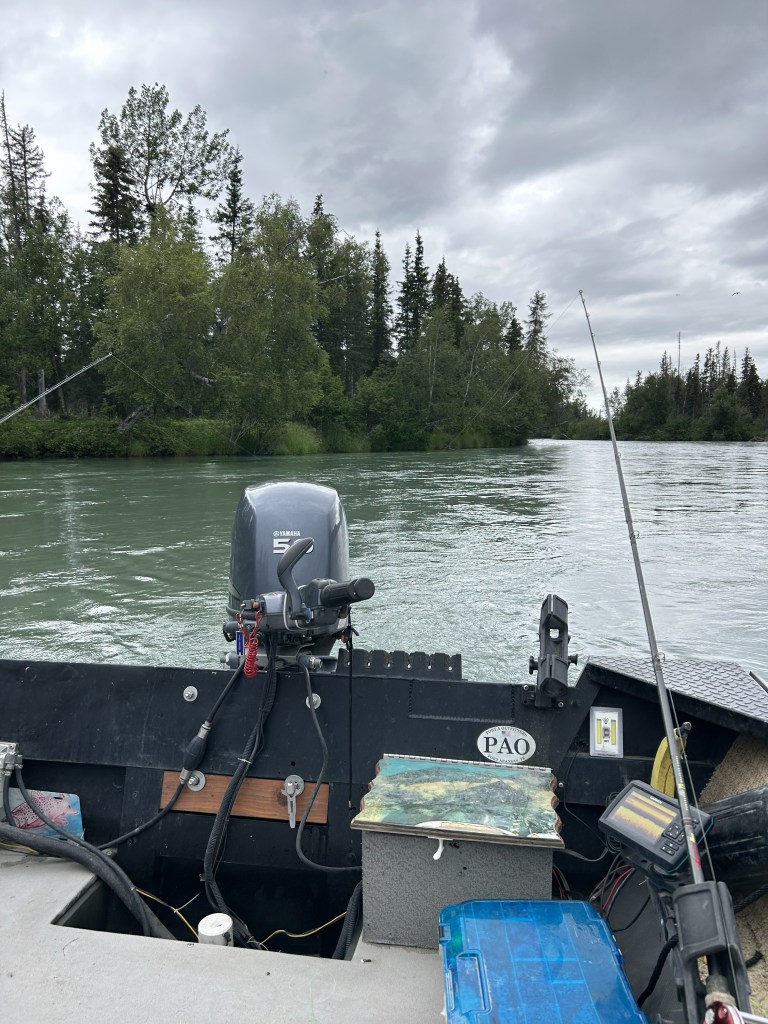
Our main targets on this trip were Chinook and Sockeye salmon, which were both running around this time. Fishing for the Chinook was slightly more familiar to how we fish in South Texas; our guide cast out some special lures to float behind us and we trolled along banks in the hopes of encouraging a king to bite.

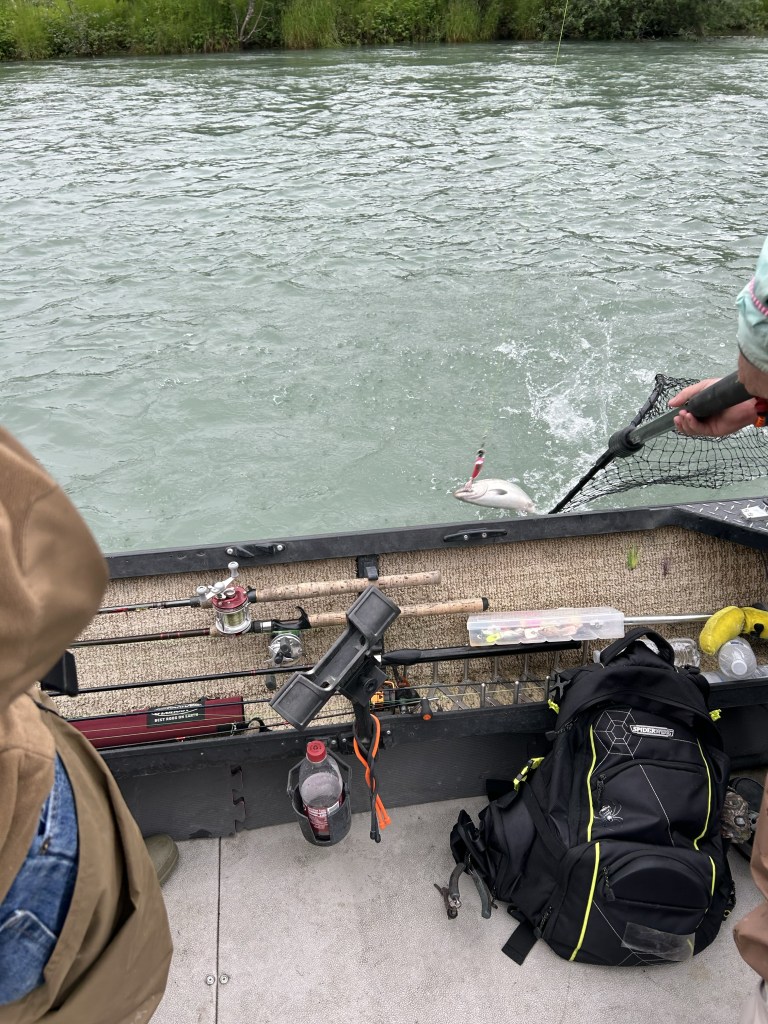
Suddenly, one of the rods bent over and the captain went to bring in the other rod; fish on! My husband, Court, let me take the first hook of the day and I slowly reeled the in fish with Captain Rob’s guidance. I imagined the kinds of the Chinook salmon I’d seen online when looking forward to this trip and couldn’t wait to see how big this one was. The funny thing about fishing for a new species is that it’s almost impossible to gauge how big the fish is; this one felt like a lower slot speckled trout, to me.

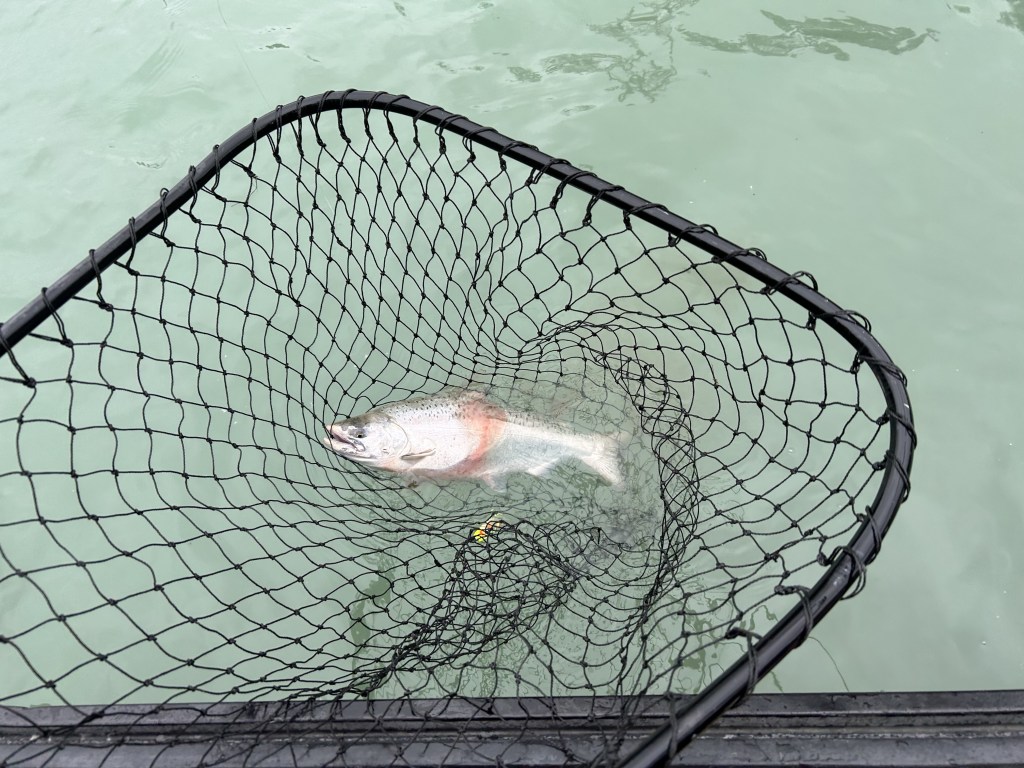
Captain Rob netted the fish and lifted it just high enough to let us get a look, but never removing it from the water. “Take a picture of it if you want,” he said, holding the net still while I grabbed my phone to take quick snap. No sooner had we taken some pictures, he unhooked it and let it go again.

Just a little guy!

“We can’t take kings out of the water,” he explained. This baffled me as we tossed out the rods to try again. I knew we weren’t allowed to keep them, but we couldn’t even take them out of the water? This wasn’t the Chinook fishing I had expected, and we could tell Captain Rob was a little bit disappointed, too.

While we waited for another bite, he told us more about the Chinook fishing he’d experienced over the 30-odd years he had been a guide in the area. He told us about monster kings that they used to catch when we first started, fish that would fight over an hour and drag you all over the river. He showed us pictures of Chinook almost as big as the King Fish we catch offshore and I couldn’t imagine hooking into one of those on this lighter tackle!

So where had all these fish gone?

It was a painfully familiar tale. As commercial fishing grew in the area, Chinook populations started to go down. Recreational anglers would catch these big breeder salmon and keep them rather than letting them continue upriver to make more salmon. He recalled more than a few instances with slightly misty eyes about hooking into these huge salmon and offering discounted (sometimes even free) fishing trips if the customer would release it back to the river; but most of them kept the fish anyway.

Over time, the damage had been done; the chinook salmon populations around Cook Inlet and along the Kenai River began to dwindle. Regulations and limits put in place were too little too late. The Kings of the Kenai were disappearing.

It wasn’t long after this that Court got his chance to bring in a fish! The rod bent over as if on cue from our conversation and we jumped up to help him. Just as we brought in the other rod, Court had brought the salmon up next to the boat and Captain Rob quickly netted it for a picture. I imagined what these little salmon could grow into based on Rob’s pictures, and I hoped they made it that far. That maybe their populations could someday rebound with the right management.

Since this trip, I’ve started looking into commercial fishing and its effects on populations, but that is a post for another time. Unfortunately, this would become the theme of the fishing portion of our trip.

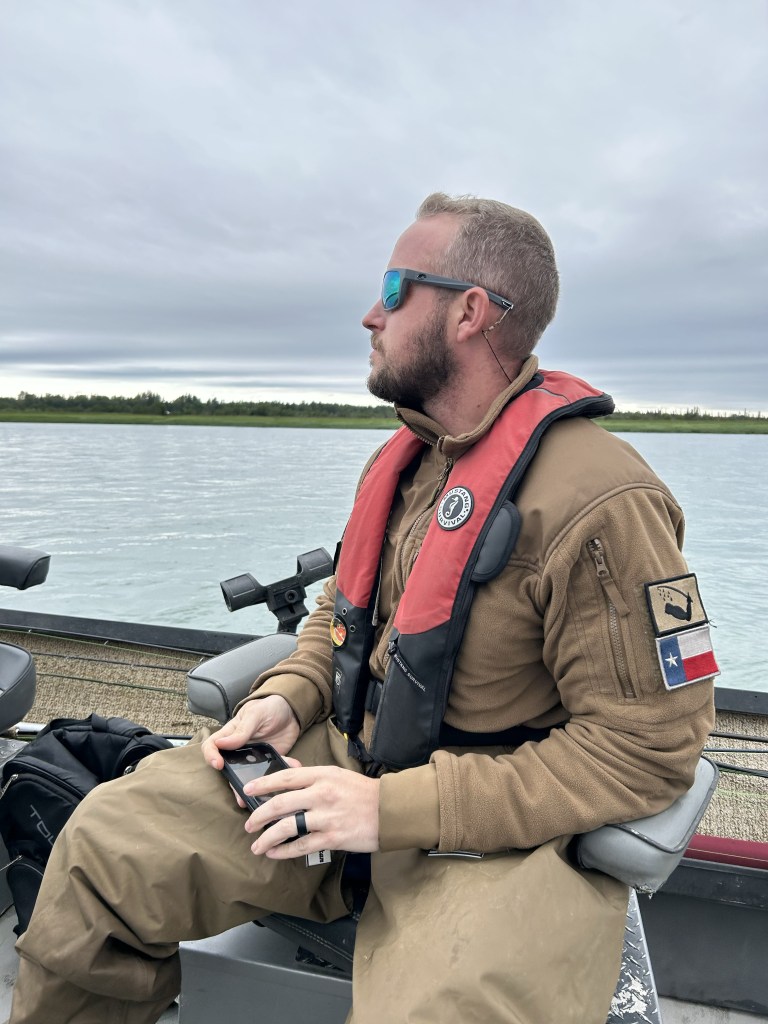
The fishing continued to slow down from here, but Captain Rob and Captain Court got to talking about being captains in Alaska versus Texas. With a grin, Rob offered to let Court captain the boat for a few minutes. If you’ve ever met my husband, it’s when he gets quiet and more reserved that you know he’s actually very excited; Court accepted the offer very calmly, though I know he was so excited!

So for one trip, Court got to captain a fishing vessle on the Kenai River. That’s a pretty cool experience to bring home!

At this point, Captain Rob was ready to move away from targeting Chinook and on to targeting sockeye. This is where we messed up by not having our own waders, but the hip waders were a huge help.

We pulled over onto a bank and carefully climbed into the rushing water. It sounds kind of silly now that I’m writing it, but I just never realized how different it would be to fish a river versus the ocean bay. On the bay, we deal with wind, water clarity, air/water temperatures, depth, and structure on the bottom. I’ve never had to worry about the strength of the current, fishing in the right direction, and trees. The trees, though!

Captain Rob explained to us the concept of “flossing” for sockeye and then turned us loose. The general idea is that you take your rod (typically a fly rod) and toss it a little upstream, let it float through the water (you’ll have a weight on the bottom that you want to feel bounce), and then you’ll rip it through the water in the hopes of snagging a fish in the mouth. If you hook them anywhere else, you have to release them. Somehow, it felt even harder than it sounds.

Also, I’m not used to using a fly rod of any kind to do anything, so that was also an entirely new experience for me. I suppose you could say… I was a fish out of water

All jokes aside, Court and I tried our best and didn’t get the chance to test our flossing after all. Captain Rob kept us out almost 3 hours later than we had booked in the hopes of getting into fish, but it just wasn’t happening for us.

Rob was probably even more disappointed than we were after we got back to the docks. That was the first of many times that we would hear about the nets; the nets would go out at the mouth of the river a couple of days during the week for commercial fishing. These nets would, naturally, prevent many fish from actually making it into the river and would make fishing for them upriver extremely difficult.

The odds had been against us that day, not unlike many days we had spent on our home waters. When it comes to hunting, fishing, or trapping, there’s just never a sure thing. No matter how much you hear about a place or type of fishing, they’re also vulnerable to the elements that make nature unpredictable where you live.

A deer that walks the same route every single day will eventually decide to take a detour for some unknown reason; fish that have been pentiful and biting in the same little spot will suddenly stop biting or move on; the pond where ducks like to land on their trek south will suddenly seem unappealing to a glock for an unknown reason.

That’s nature. Even when you travel all the way to Alaska, nature will be unpredictable.

We were, admittedly, a little bit disappointed by our first fishing trip in Kenai for sockeye salmon. There were a lot of factors against us, but we still got to go fishing in Alaska for salmon on the Kenai River. The trip of a lifetime. We still got to be a part of the tradition and learn a completely different way of fishing. I think the greatest lessons come from the hardest days, both in life and in fishing.

While Court had to pack up to end his trip, mine was just beginning. The next day, I would meet up with three other women from ReelCamo Girl for my first ever women’s fishing trip and get to experience something else entirely new for me; fishing without my mentor for the first time.

Back Online

Hello, friends! If you’re reading this, then I know that you’re one of the real ones because I just haven’t been consistent lately on social media or my blog. It’s one of the cardinal sins of building an online presence, along with sharing too many selfies or too many pictures of what you had for lunch that day… and the social media gurus will tell that you that it’s the fastest way to destroy all of your hard work! Nooooooooooooooooo…

As someone who works on social media for a living (yes, I’m a social media manager!) and for fun (hello prostaffing and blogging activities!), let me tell you this.

Social media burnout is real. And it is brutal.

Right at the end of April, I finished off a stint in a leading role as “Drucilla, the Ugly Stepsister” in the Corpus Christi Ballet’s production of “Cinderella”. Soon after, I wrapped up the dance studio’s recital and attended my sister’s wedding in Kansas. It seemed like we would finally be back on the water and I was pumped to start creating content for another season on the DSG Fish and ReelCamo Girl Prostaff teams.

If you’ve heard anything about Texas or live in Texas, then you know that we’ve had some of the hottest temperatures in years and a perpetual drought all over the state. Unfortunately, even saltwater ecosystems are not immune to drought conditions, and our beloved Laguna Madre suffered. Water levels dropped to winter depths (in other words, the water was gone) and the rising temperatures raised the water temperature, too. To escape the heat, the fish vanished.

My husband kept in contact with his bayfishing guide friends for updates on water and fishing conditions so we could get back on the water once they improved. Week after week passed with no change. Guides started turning down trips because there just weren’t any fish.

Can you imagine?

That was our reality this summer, and as someone who needed to crank out content for her outdoors platforms during fishing season when there weren’t any fish, I was a little anxious. Okay, I was freaking out. The few times we made it out, the content I was able to make just didn’t last.

I watched other outdoorswomen online slaying it on the water all season, catching all these fish and spending every weekend on the water. With each scroll of my finger, I felt myself sink lower and lower into social media despair. I have nothing to share.

Coming up with anything to post started to wear on me on top of creating content for my clients’ profiles and it didn’t take long for me to hit the burnout point.

And right before last week, while I was teaching dance, one of my students was horrifically injured and I fell into a major funk. Like, do-the-bare-minimum-to-keep-things-running funk. I didn’t scroll. I didn’t post. I just stepped away while I tried to break out of my funk and back into a rhythm.

My accidental hiatus from social media is probably the most productive thing that I’ve done all summer. I woke up today (Monday, when I’m writing this) and felt ready to create content. Maybe even excited to create content for the first time in a long time.

It reminded me of a few lessons I’d forgotten over the months;

  1. Social media is a highlight reel; you can’t even begin to compare the everyday positives and negatives with the big highlights that others choose to share on social media.
  2. Mental health > content creation. End of story. If you need a break, you need a break. And your followers will understand. (Or they won’t, and that just means they never fully supported you anyway.)

Social media is a double-edged sword. It connects us with people and opportunities that we would never find without it. It can breed comparison, anxiety, and make us feel worse about ourselves. At the end of the day, you have to decide how you will let social media influence your life; connection or comparison?

As deer season takes off, don’t let the endless “grab-and-grins” make you feel less if your freezer is still empty. Don’t let someone’s pose with a high fence monster make you feel bad about the buck you stalked and worked your tail off to finally harvest. Don’t let yourself compare your day-to-day with someone else’s extraordinary day.

If you’ve followed my rambling to this point, then I also hope that you’ll take some time and give yourself space when you need it. Your mental health should always be your priority, no matter what.

This felt like a pretty vulnerable post compared to my usual content, but I hope it’s the start of a more authentic, less curated “me” online.

The Last Frontier: Seward to Kenai

Our first day in the Gateway to Alaska was an incredible experience, and we were thrilled to get one more morning in this valley of fjords and glaciers.

Early the next morning, after grabbing an essential cup of coffee from Sea Bean Cafe, we headed out to Seward Helicopter Tours to get up close and personal with one of the many glaciers.

Something you should know about me; I’m kind of afraid of heights. And the idea of being in a tiny aircraft flying over water and a glacier was a little intimidating…

Naturally, as we got ready to board the helicopter, they put me in front and all I could think was don’t scream into the microphone! Don’t do it!

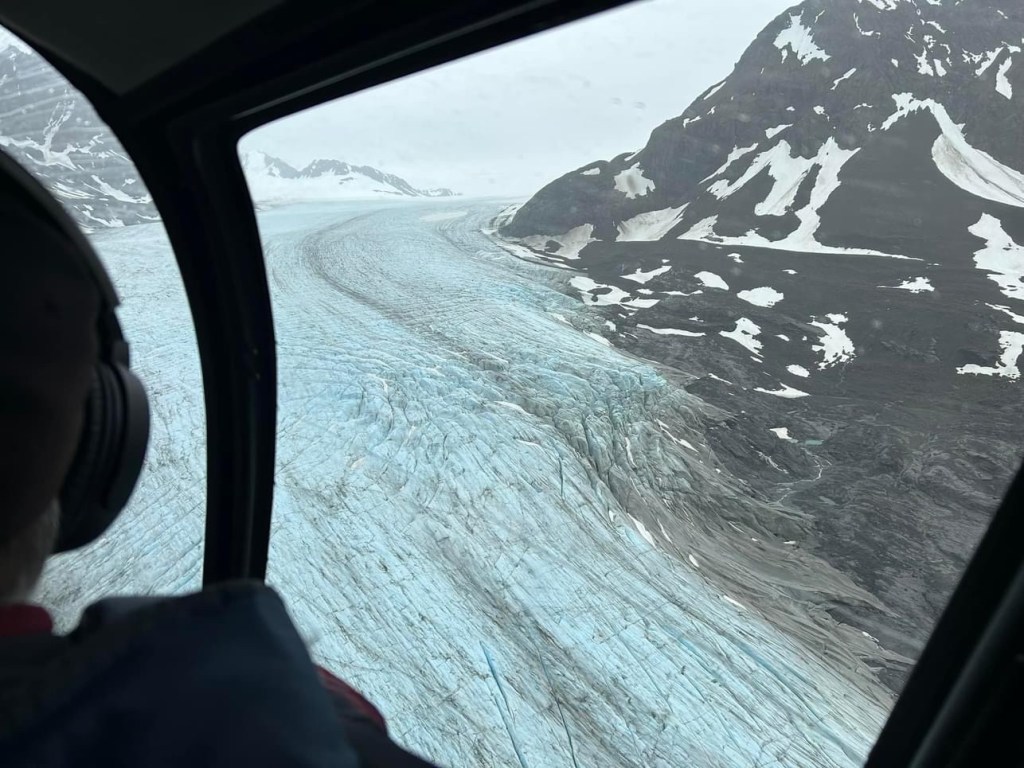
As the helicopter lifted up off the ground, my fear melted away as the land spread out around us. Fjords are an uncommon ecosystem found in the world and provide a unique environment for both marine and land species. Most people think of Norway when they think of fjords, so it was an incredible experience to get close to them in North America.

Here’s a little video of our flight up to Hawk Glacier; we flew up over Gideon Glacier and a few of the mountains around Seward. Beautiful, especially from the air, doesn’t even begin to cover it.

The actual trip was about 12 minutes, but I sped it up for uploading purposes!

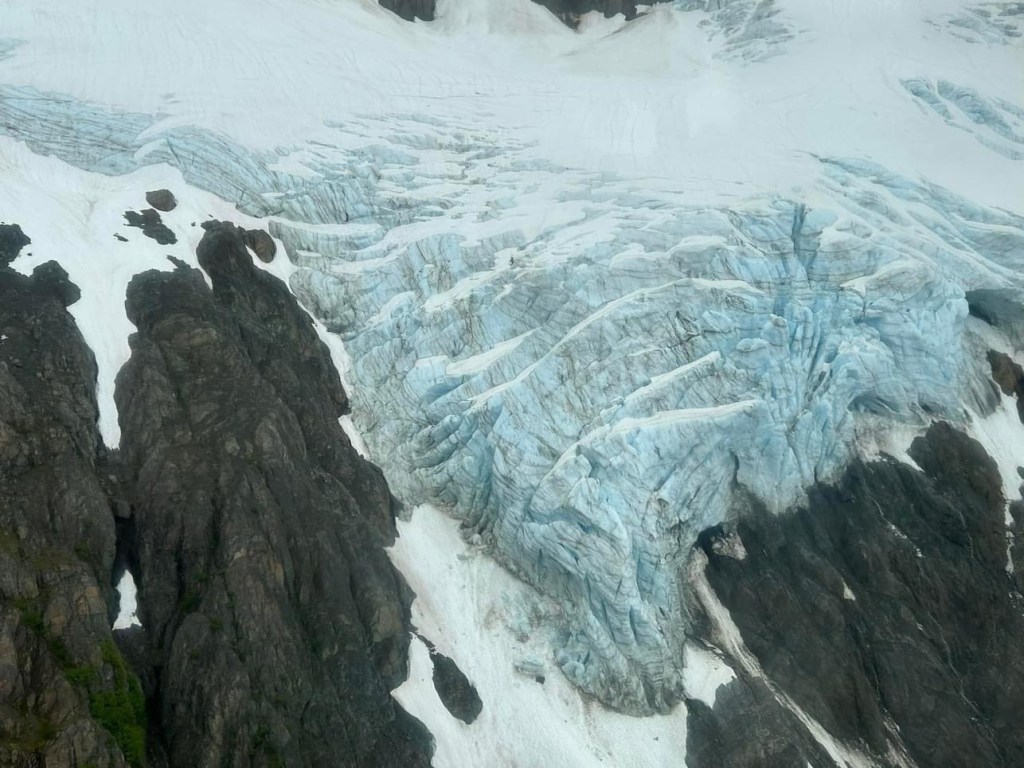
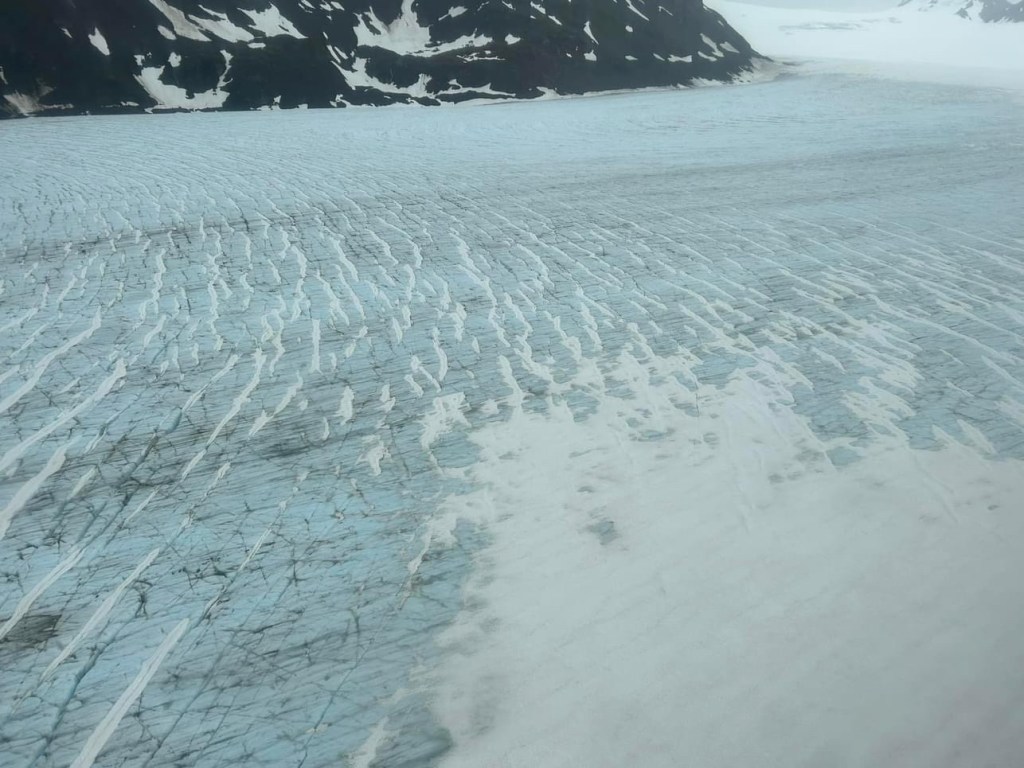
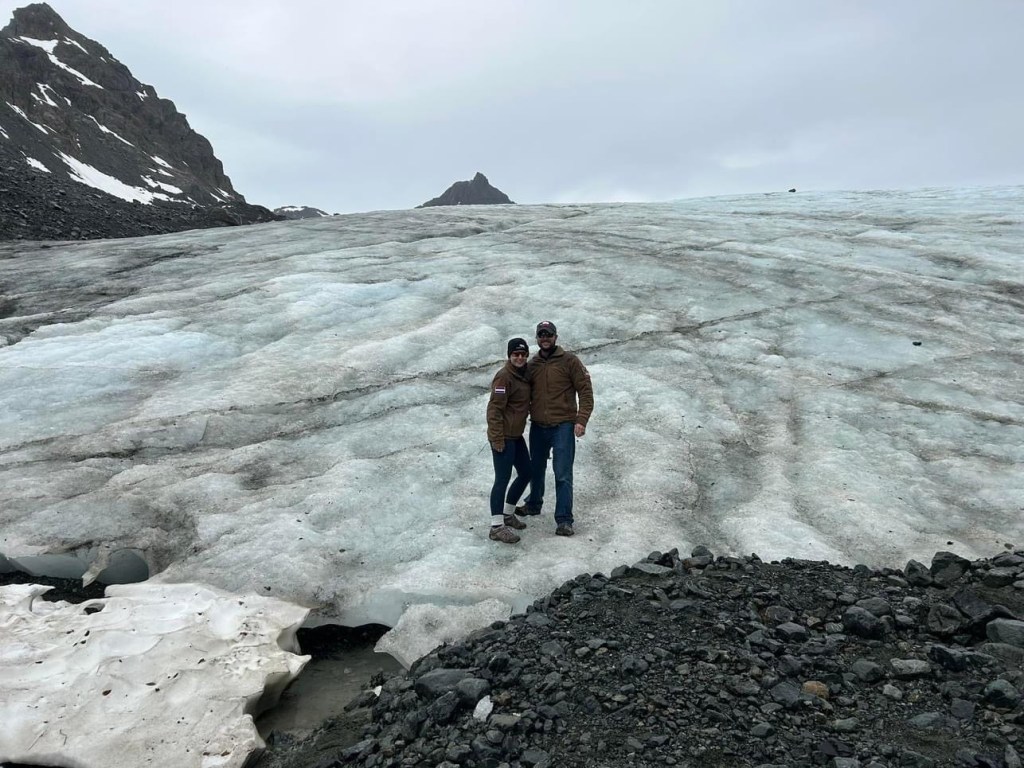
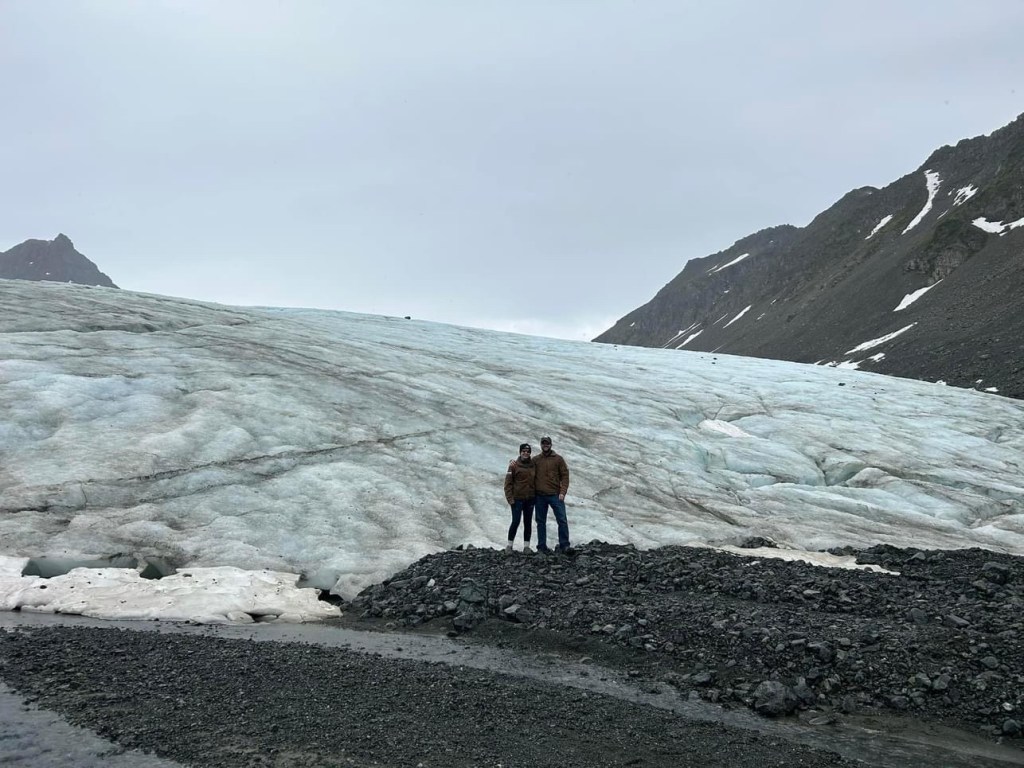
Up at Hawk Glacier, we got to be up close and personal with a glacier for the first time. Maybe it’s wishful thinking, but being that close to the impossibly blue ice, it feels like being in the presence of something ancient and mighty. I don’t know how to describe it, but it was a humbling feeling.

Naturally, we had to grab a quick sip of glacier water. It was the coldest, purest, best tasting water I’ve ever drank. (Though the scenery probably helped with that!) Our pilot had a little Yeti cup that he said he would refill with glacier water throughout the day on his trips; besides getting to fly everyday, that would be a pretty neat little perk. I wonder if you ever get used to drinking glacier water versus filtered water down below.

Court drinking some glacier water!

Our time on the glacier was far too short, but it was so incredible to see something as ancient as that ice and to experience it up close. Pictures and videos just never quite prepare you for what it’s like to actually be there. Standing on Hawk Glacier and seeing the Aialik Glacier up close has definitely got me thinking a little more about conservation and protecting the environment. It’s one thing to discuss glaciers and rising water levels from the oven, er… the heat… of South Texas; it’s another to be there, feel the chill off the ice, and see with my own eyes just how far it’s receded from years past.

Maybe it’s time to read up a little bit about glaciers.

After we landed on the tarmac, it was time to leave Seward for Kenai City and the beginning of the next leg of our trip.

Seward was an incredible first taste of Alaska. The scenic fjords were breathtaking, the wildlife plentiful, and the town itself was quirky and fun. The unusual mix of important Alaskan history, natural wonder, sportsman’s paradise, and small town charm made it an incredible experience that I’ll never forget.

If you ask my husband, he’ll tell you to prepare for limited to no cellphone service and to be sure to doublecheck that your hotel has private bathrooms in the hotel rooms (rather than a hostel-style community bathroom). I would also add that you should be prepared for an adventure unlike anything you expected.

Next week, we’ll explore Kenai with some good ole Kenai River salmon fishing before I meet up with the ladies of ReelCamo Girl for our ladies trip!

The Last Frontier: Seward, Alaska

Plop. Bounce. Rip.

The cadence of my fly rod and reel lulled me into a peaceful state as I took in the world around me. Spruce trees reached skinny fingers into the slowly brightening sky streaked with clouds. Gulls perched regally at the tops of trees and observed the anglers below with a quizzical tilt to their little heads. Fog glided over the tumbling surface of the river as it insistently nudged my legs under the water.

Plop. Bounce. Rip.

This was the first sunrise I had ever seen on the Kenai Peninsula and it took my breath away more than the chilled air. If you had told me I’d be on the Kenai River fishing for sockeye salmon while watching the sunrise at 3:30AM, I might’ve thought you were crazy. Almost a week later, it feels like some kind of amazing, fantastic dream.

Plop. Bounce. Rip.

But it was all real.

Plop. Bounce. Rip.

Plop. Bounce... Snag!

I didn’t feel the cold anymore as the salmon on the end of my line started leaping frantically out of the water in the cool morning air and it was all I could to focus on keeping the fish on the line. Back up, reel, keep the rod tip down and pointing downriver.

Just as soon as it started, our guide, Mike, had the fish netted and pulled onto the bank. It was only the fourth time I had ever landed a sockeye salmon, but I was already hooked.

This was on the second day of four fishing with three other women on an all-ladies trip to the Kenai Peninsula for a weekend of sockeye salmon fishing. Or “flossing”, rather.

But I’m getting ahead of myself, because I actually started this trip with Court.

For three days, he “third wheeled” (as he lovingly called it) with me before I met up with the girls for the second half of the trip. And as we’re known to do, we packed in as much as we could into those three days.

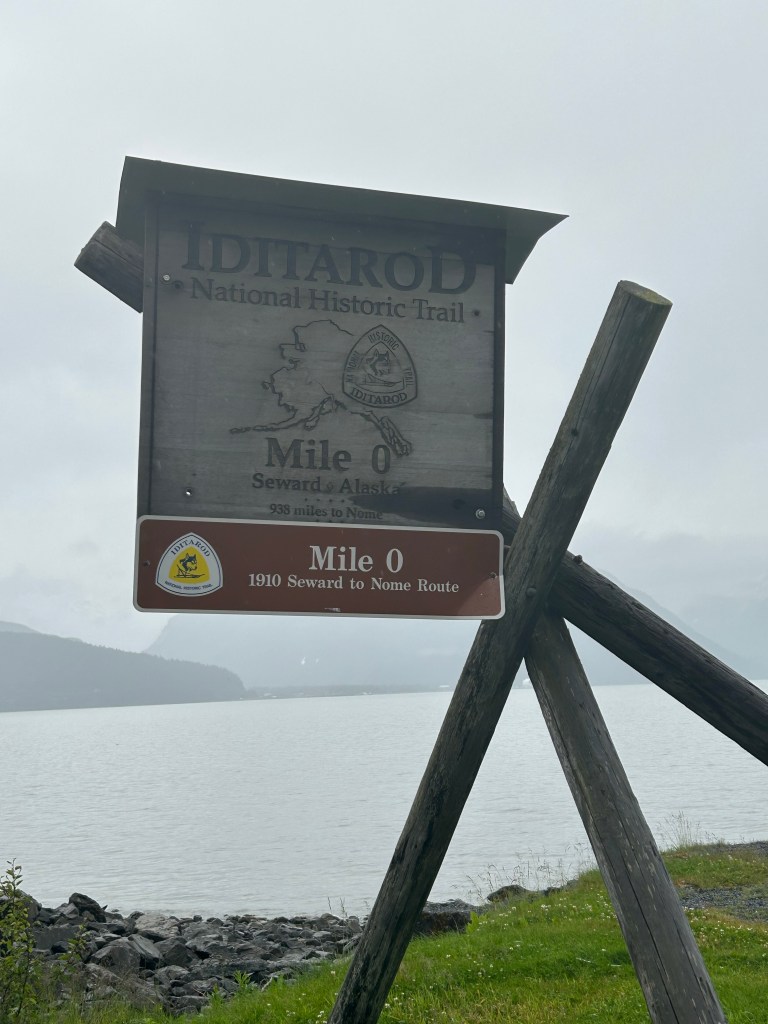
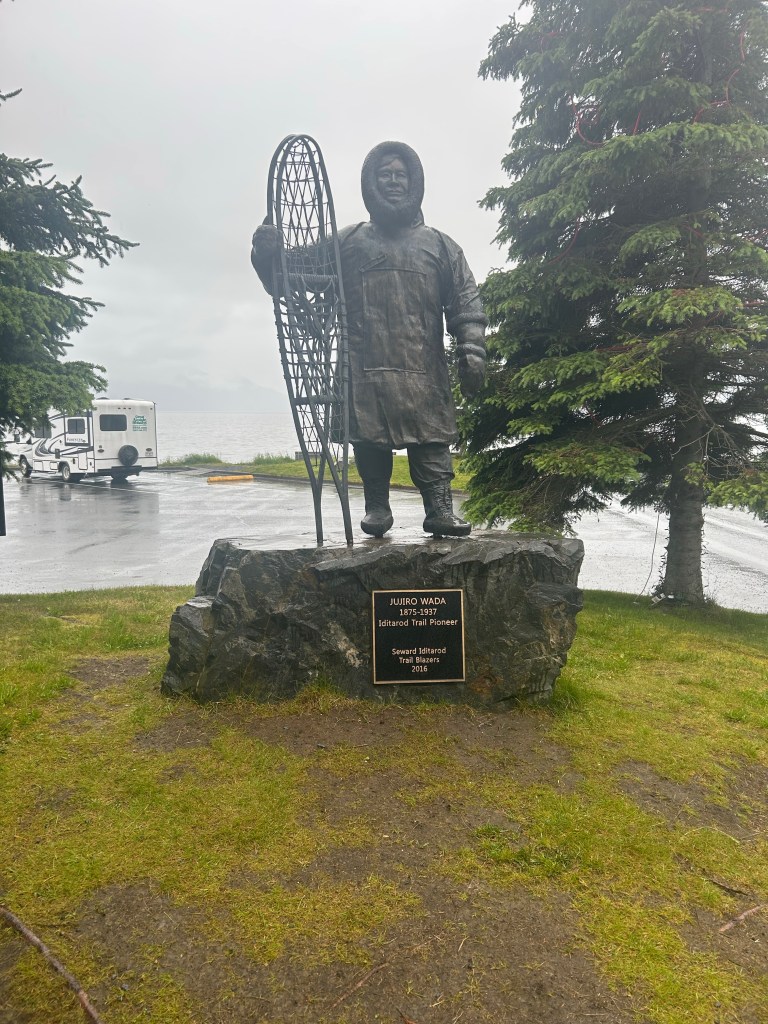
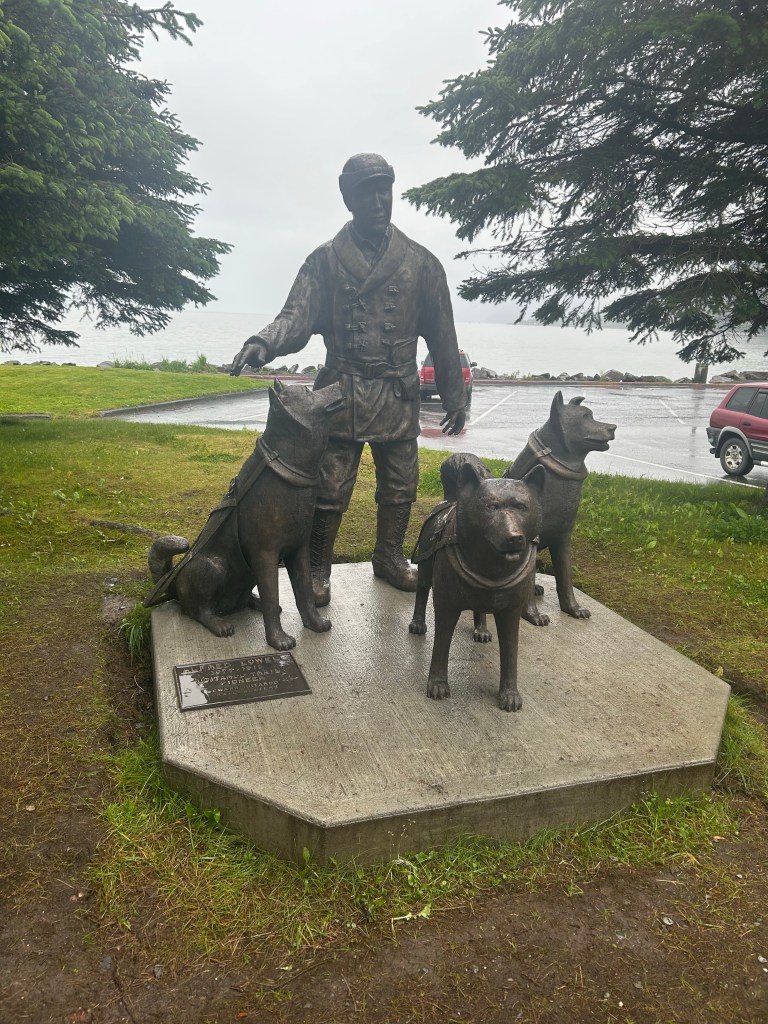
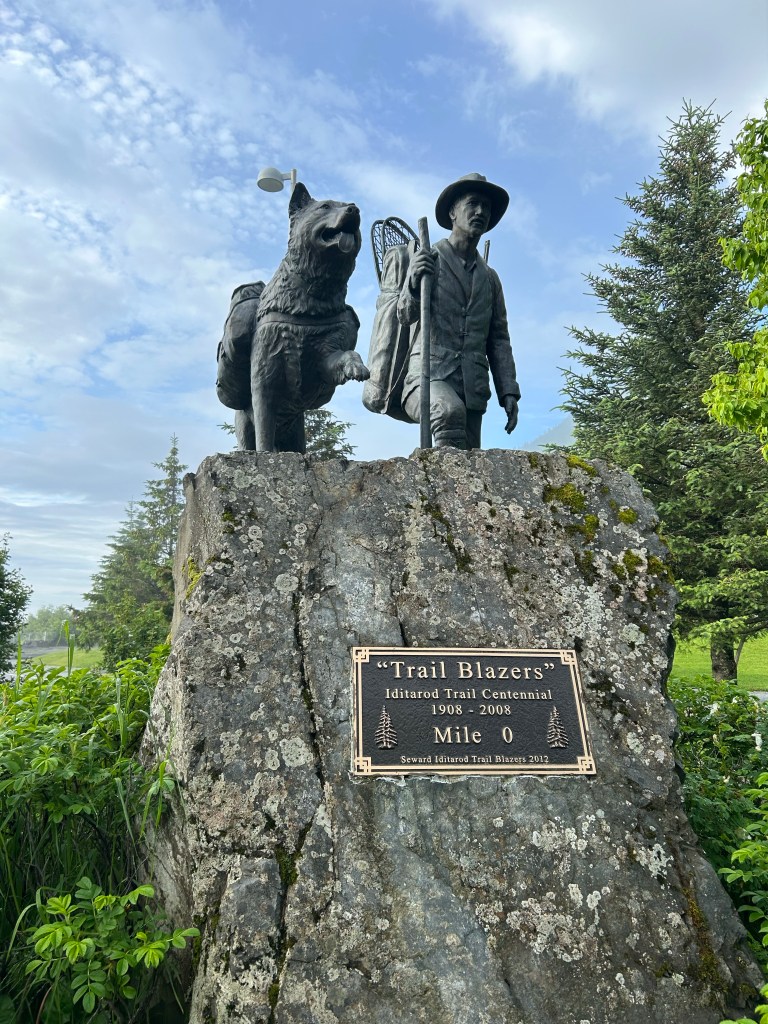
We started our trip in Seward, Alaska, down near the Southern-most tip of the Kenai Peninsula. For such a small town, Seward is steeped in both natural splendor and historic significance. Known as the gateway to Alaska, it’s the marine hub of Resurrection Bay, one of the only bays that doesn’t freeze over in Alaska. The trail that became the Iditarod started there and it remains a famous fishing village for the deepwater fishing in the fjords. And yes, it’s the easiest place to access the Kenai Fjords National Park. This place checked two of our favorite things when it comes to travel; history and nature.

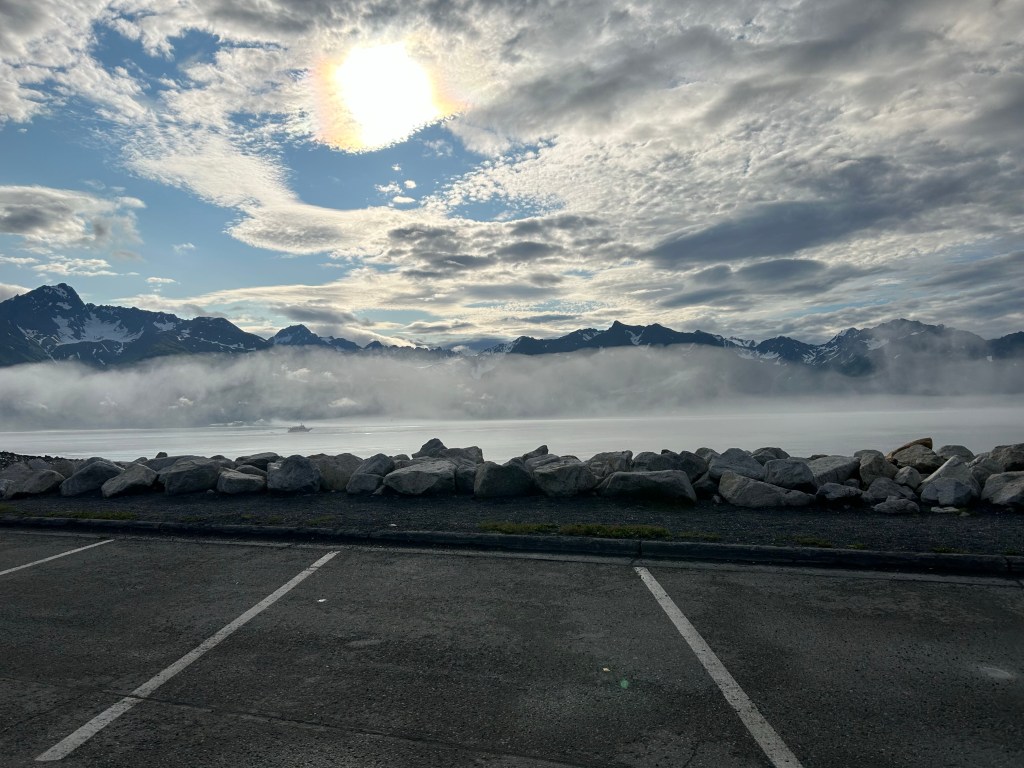
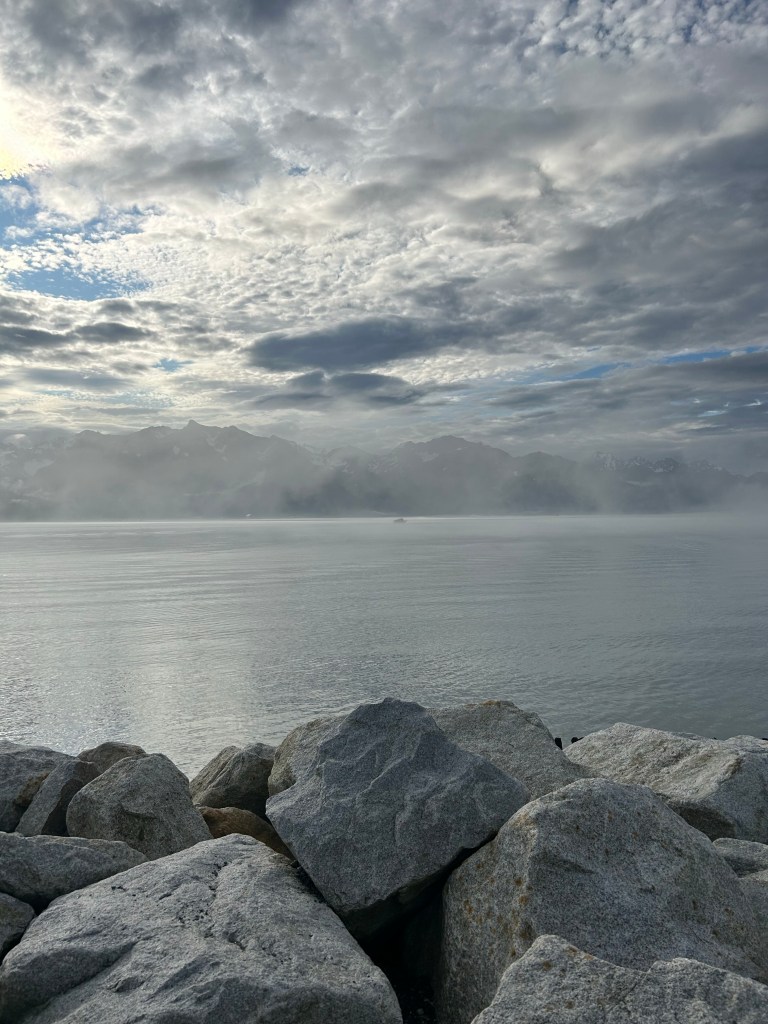
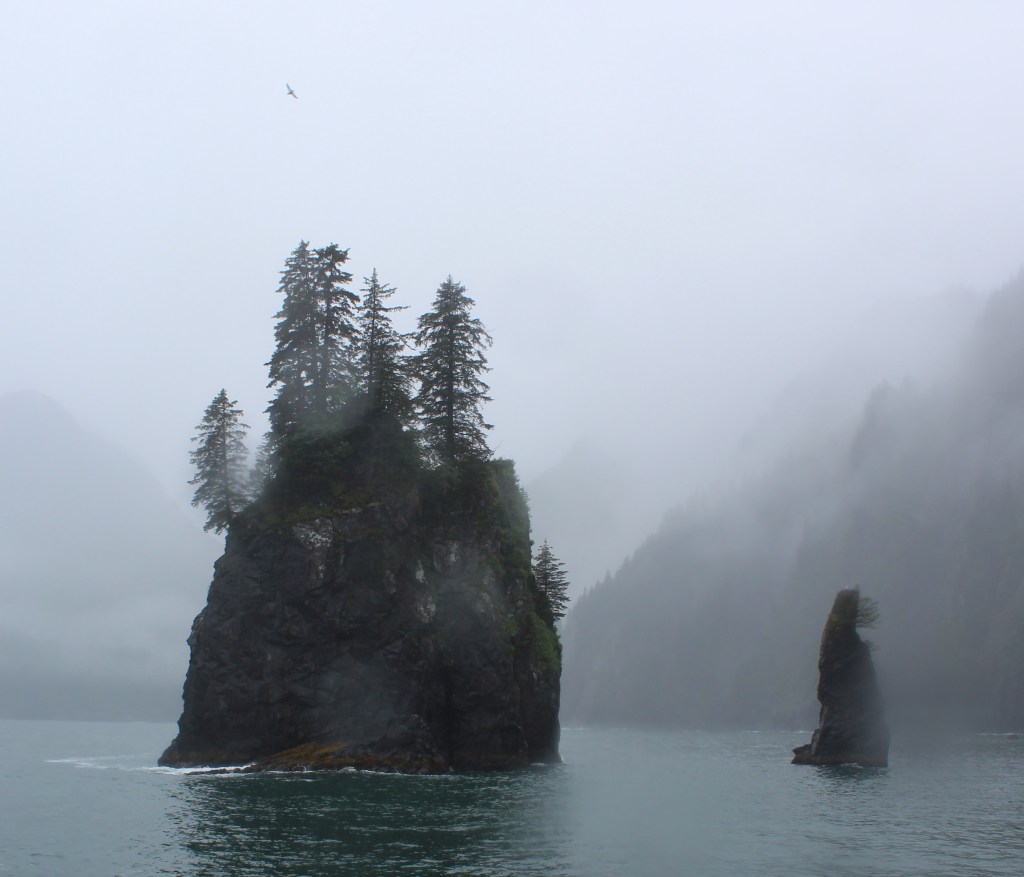
mountains surrounded by mist above the ocean

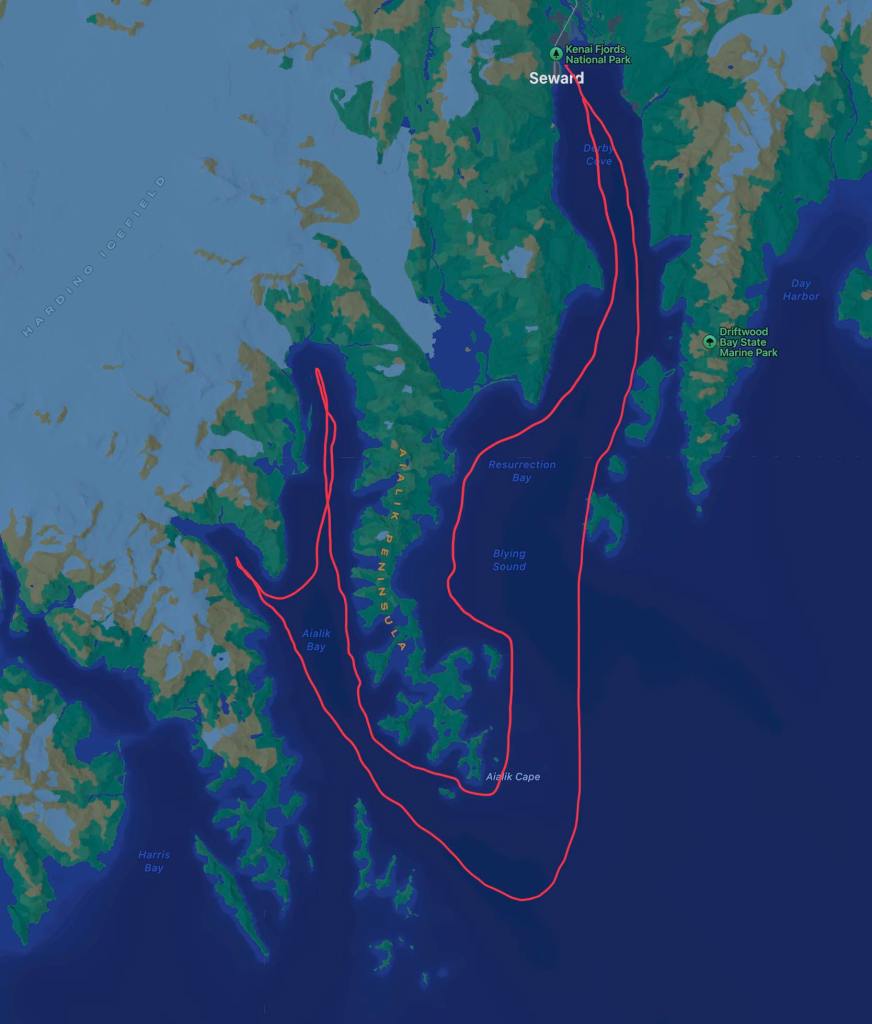
We started our time in Seward with a 6 hour boat tour of the Kenai Fjords National Park, following the route shown below:

map of the Kenai Fjords National Park that shows the route we took through Resurrection Bay and into Aialik Bay
We went down along the islands on the east side of Resurrection, down low past Aialik cape, and then up through Aialik Bay and to the west; from there, we snuck up into Aialik Bay a little further north, and then hugged the coastline on the way back.

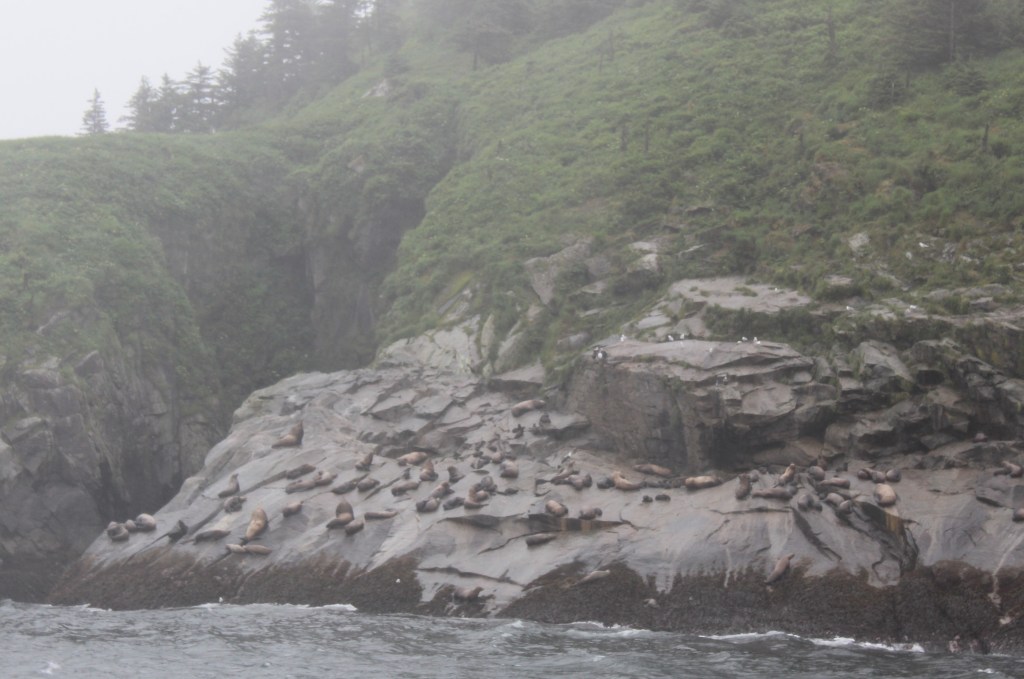
Early on in the trek through Resurrection Bay, we stopped at one of the few rookeries for Steller Sea Lions in Alaska. They were everywhere, and some of them were huge.

a group of Steller sea lions rests on some rocks on a misty island
This one of the few Steller Sea Lion rookeries in Alaska! It’s hard to tell from here, but they are HUGE.

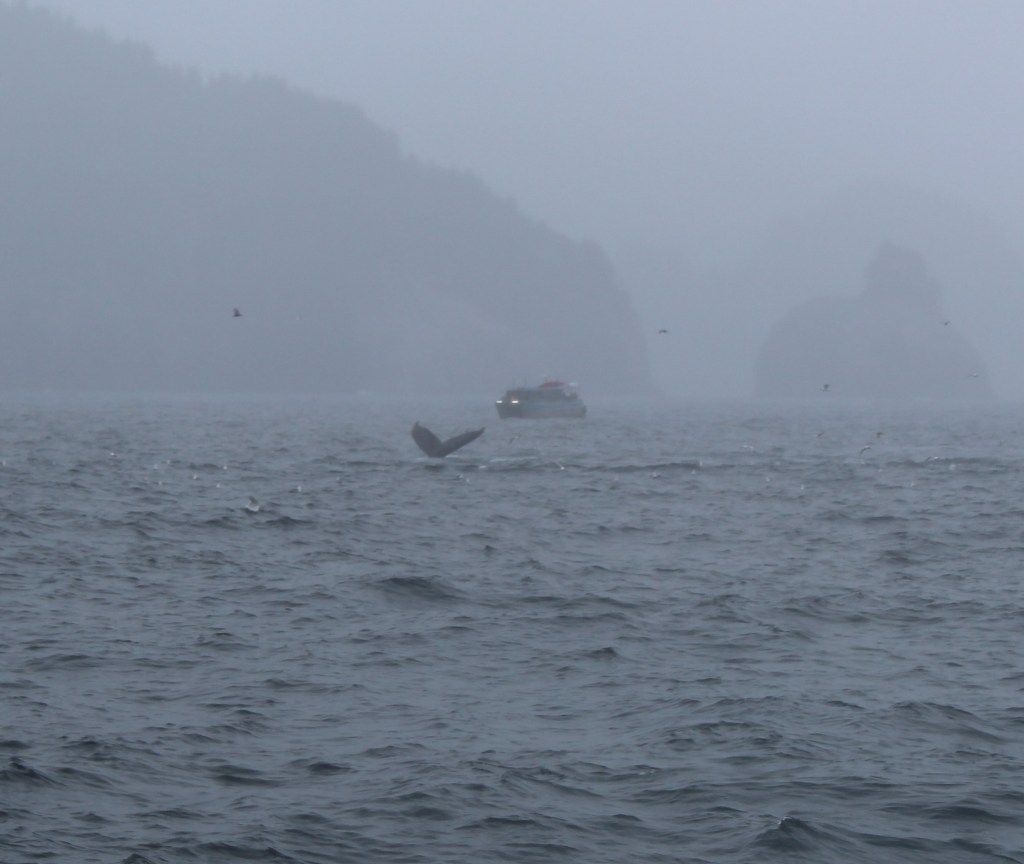
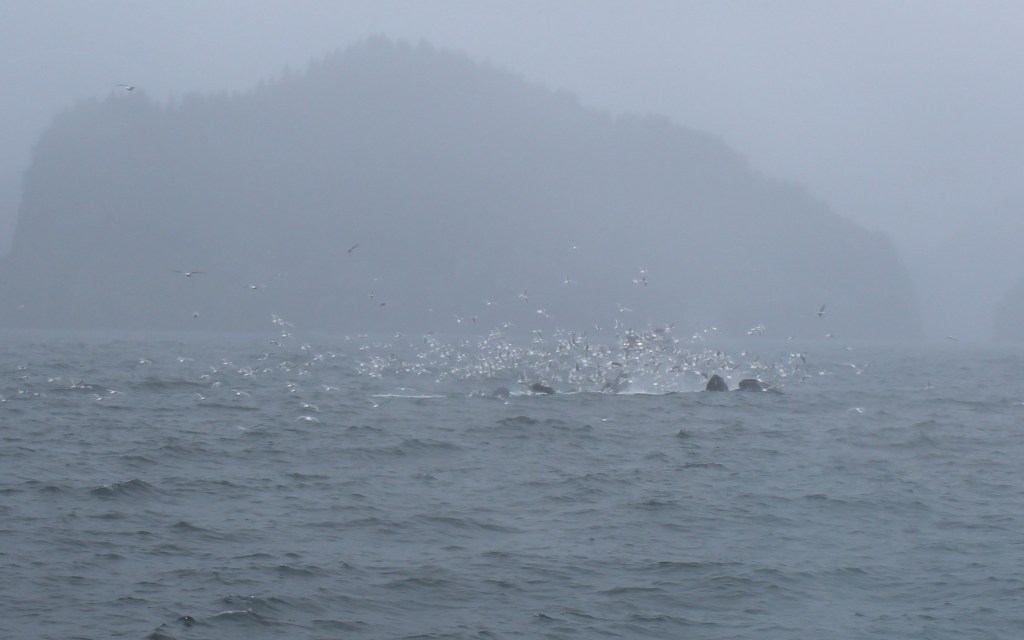
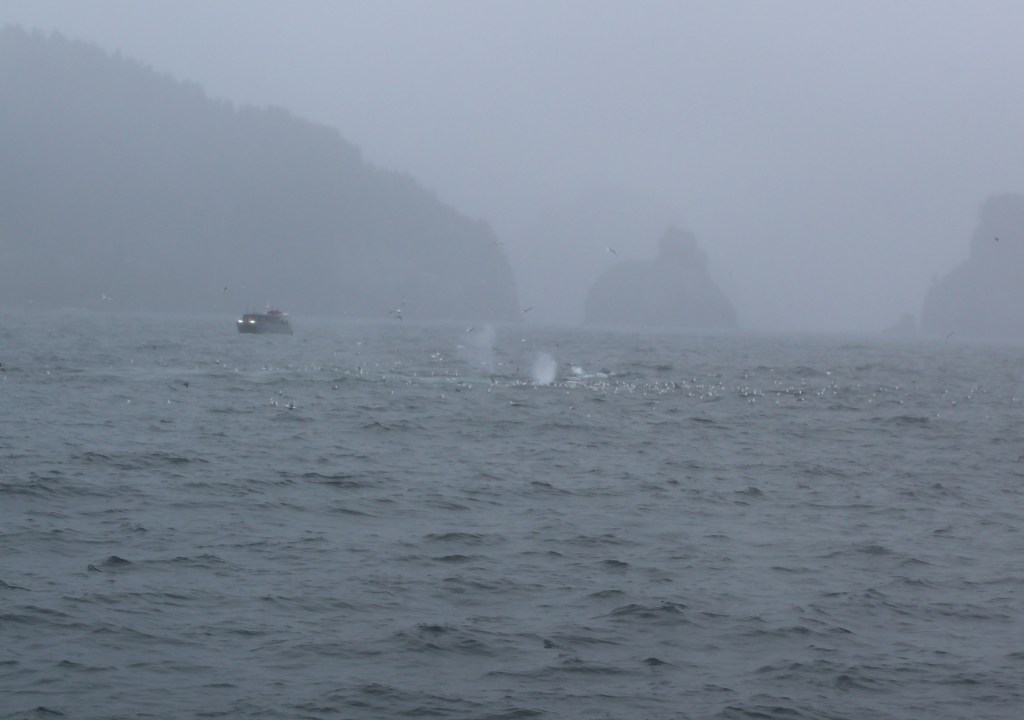
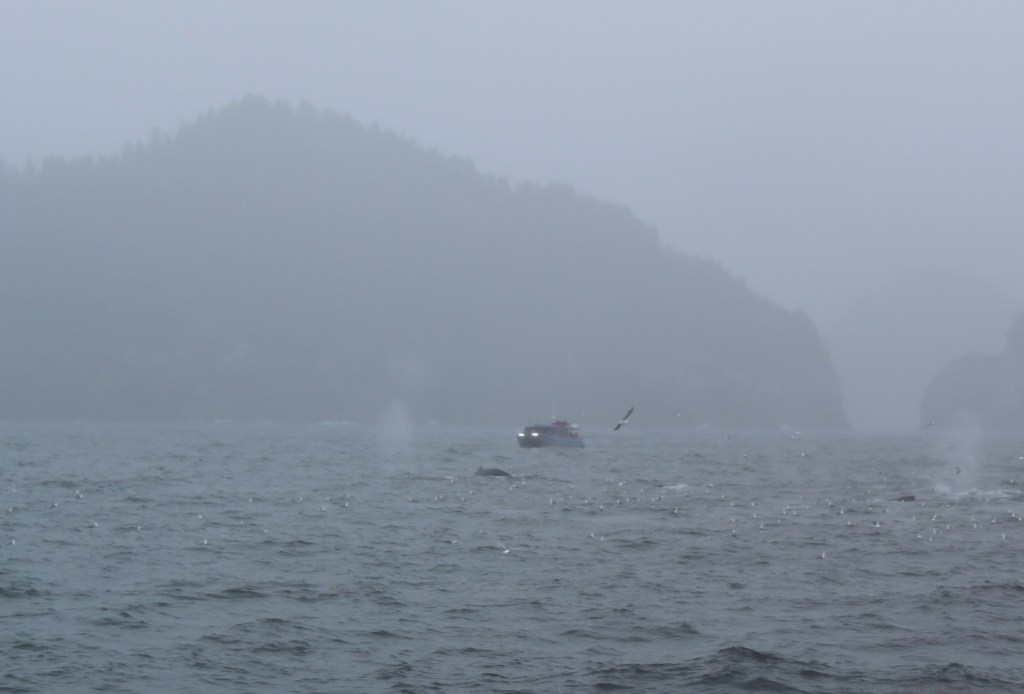
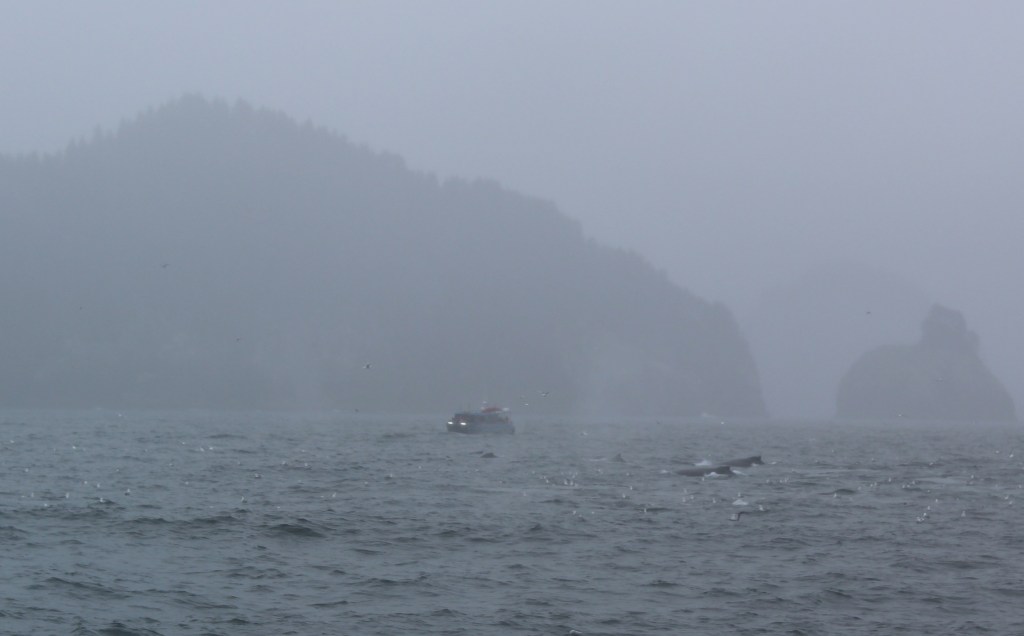
After taking a little chop between Resurrection Bay and the Gulf of Alaska, we came upon an incredible sight; humpback whales feeding. I don’t think those three words convey the gravity of that simple statement: humpback whales feeding. I’d never seen whales in the wild before, much less a small pod of them bubble net feeding less 100 yards off the bow of our boat. It was such an incredible experience.

In the picture with their noses sticking out of the water and the birds all over the surface, it’s called bubble net feeding! They blow bubbles to push the fish to the surface and then swim up all at once, almost like breaching! The birds love it, too.

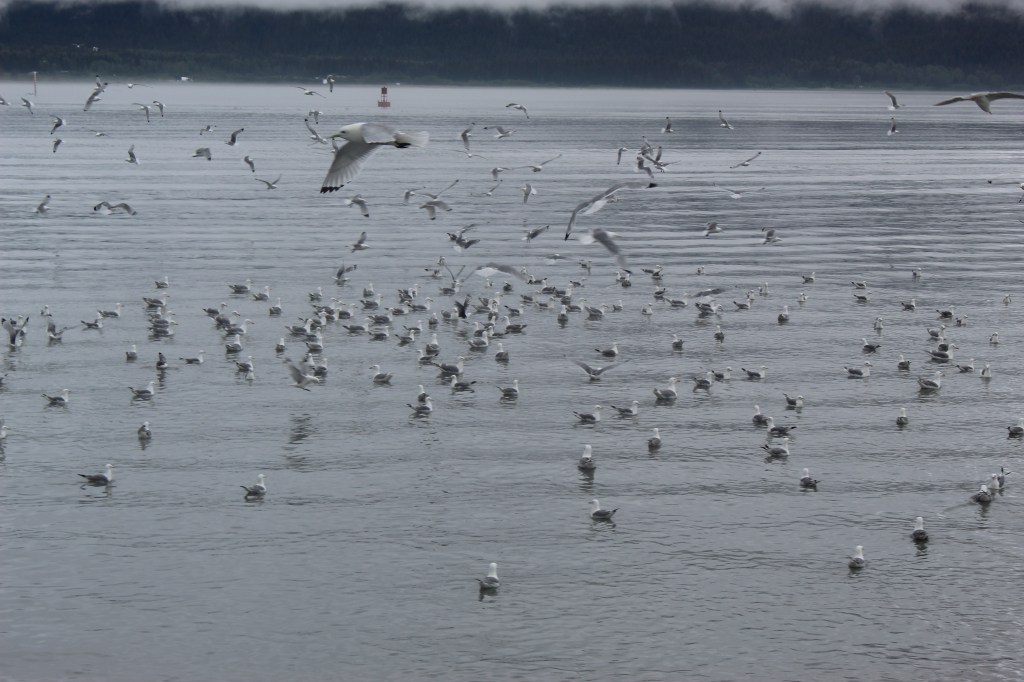
By now, we were getting into some of the fjords again and enjoying spectacular views of waterfalls, a wide variety of birds, and even a glimpse of the Holgate Glacier. Not a bad view for lunch, right?

an island in the fjord just hiding the glacier from view between two mountains
If you look beyond that island, you can just see the glacier!

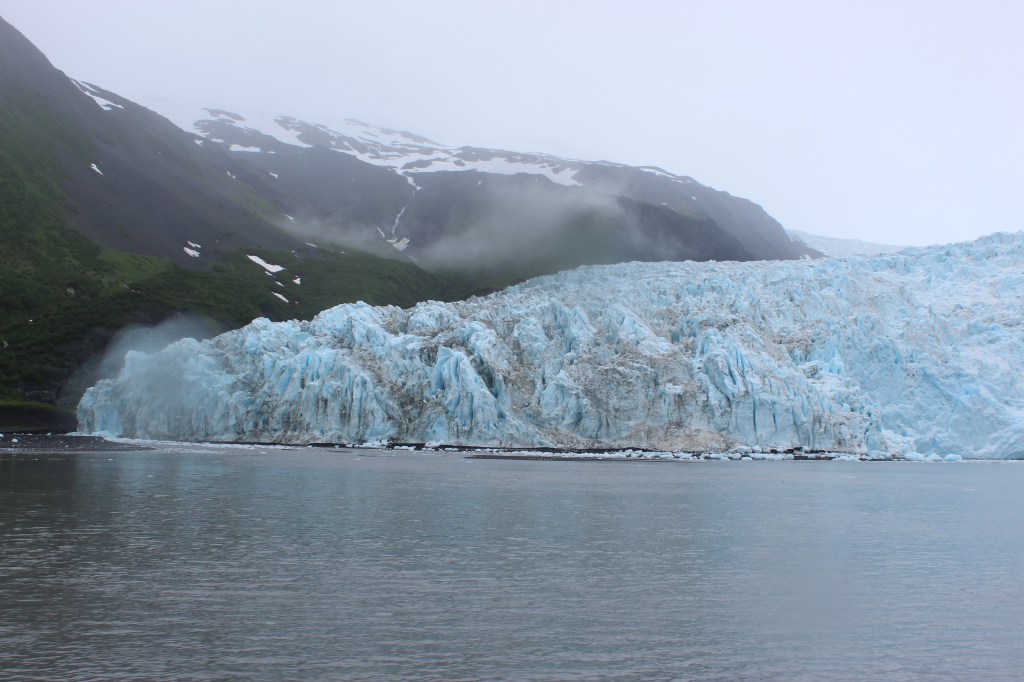
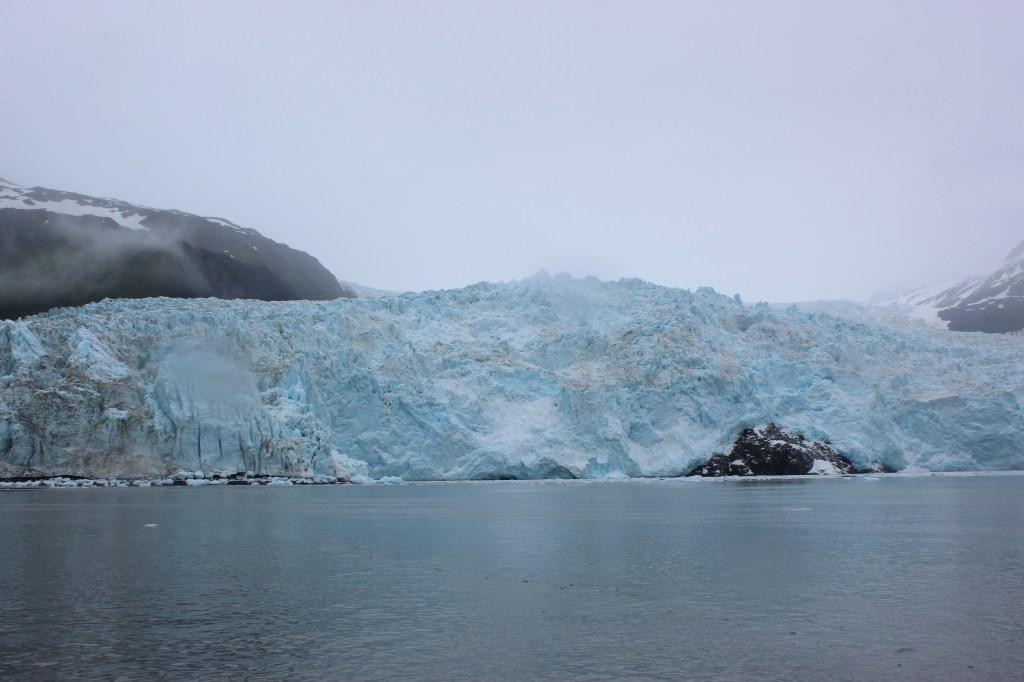
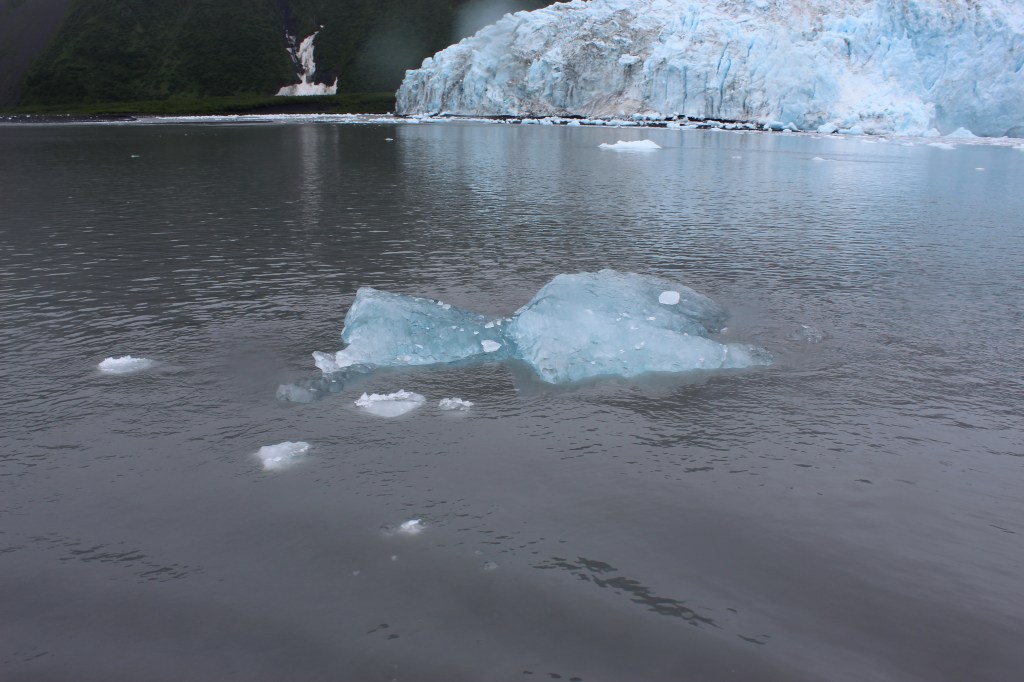
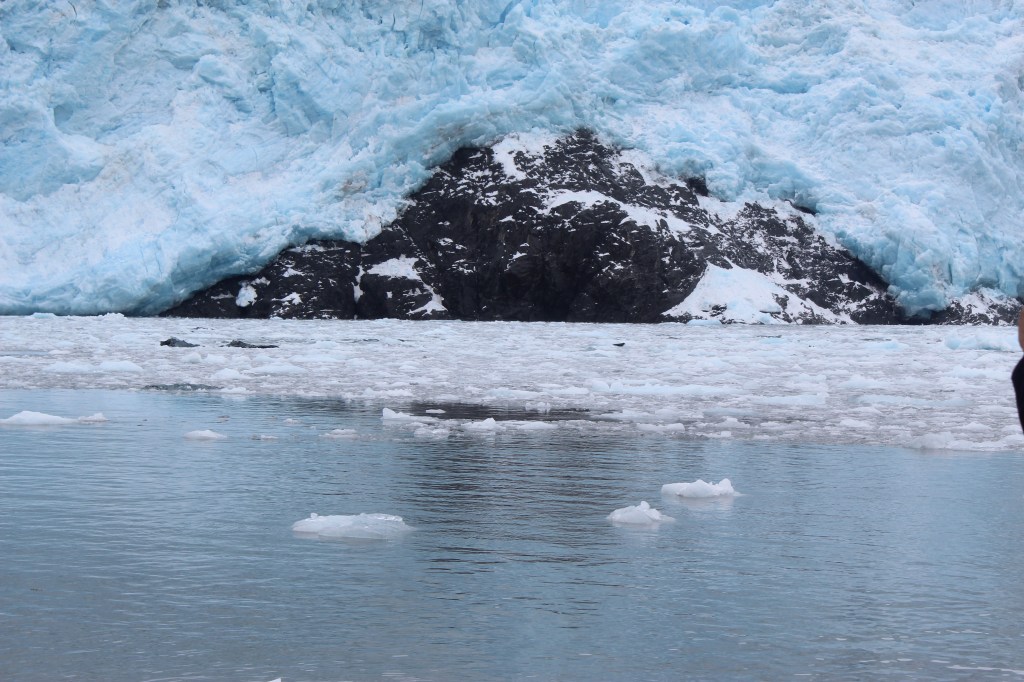
From there, we went on to Aialik Bay and the Aialik Glacier. When I tell you that I didn’t know anything natural could be that shade of blue, I really mean it. That soft, icy blue was such an incredible beautiful color and the pictures can never really do it justice. If seeing the Taj Mahal in February was the most incredible man-made thing I’ve ever seen, then the Aialik Glacier might e the most incredible natural thing I’ve ever seen. Check out all the pictures.

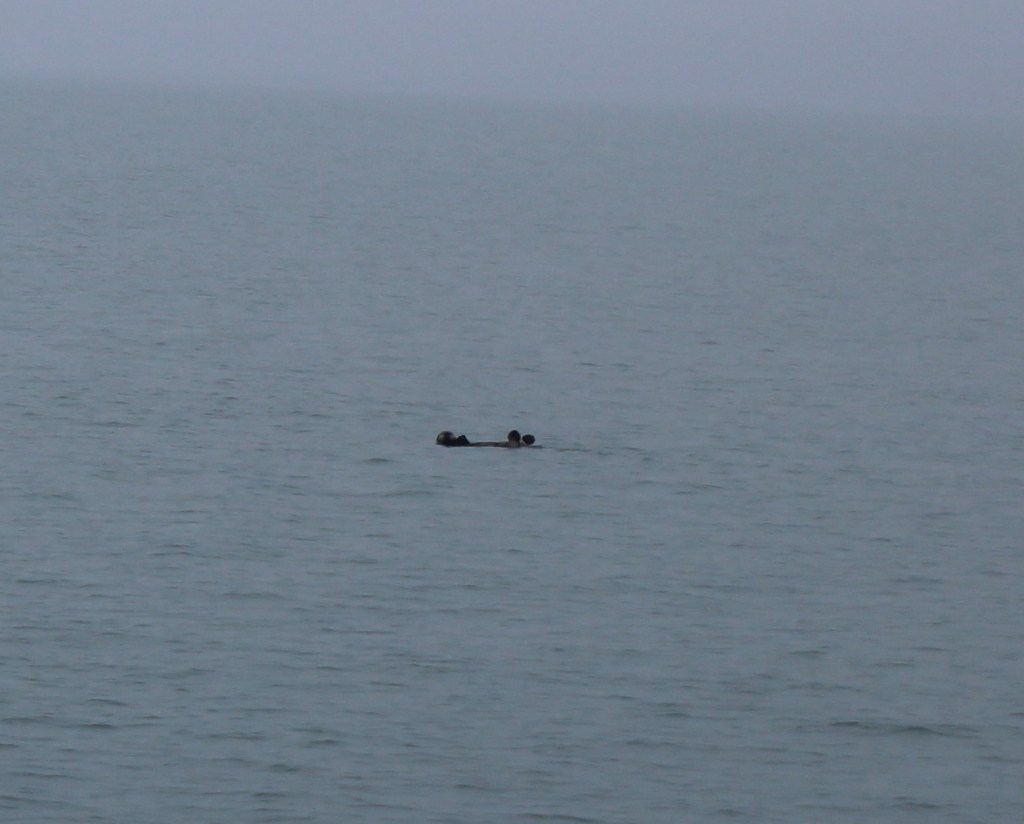
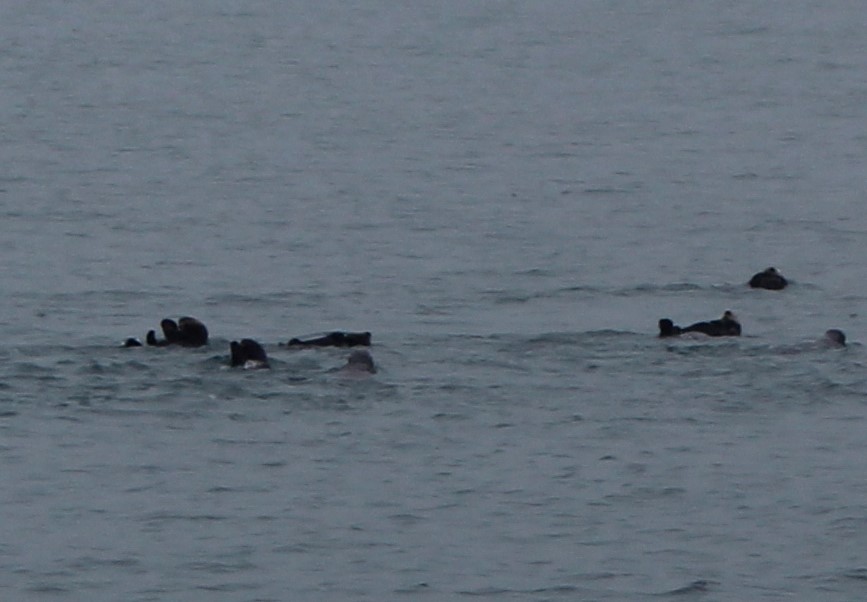
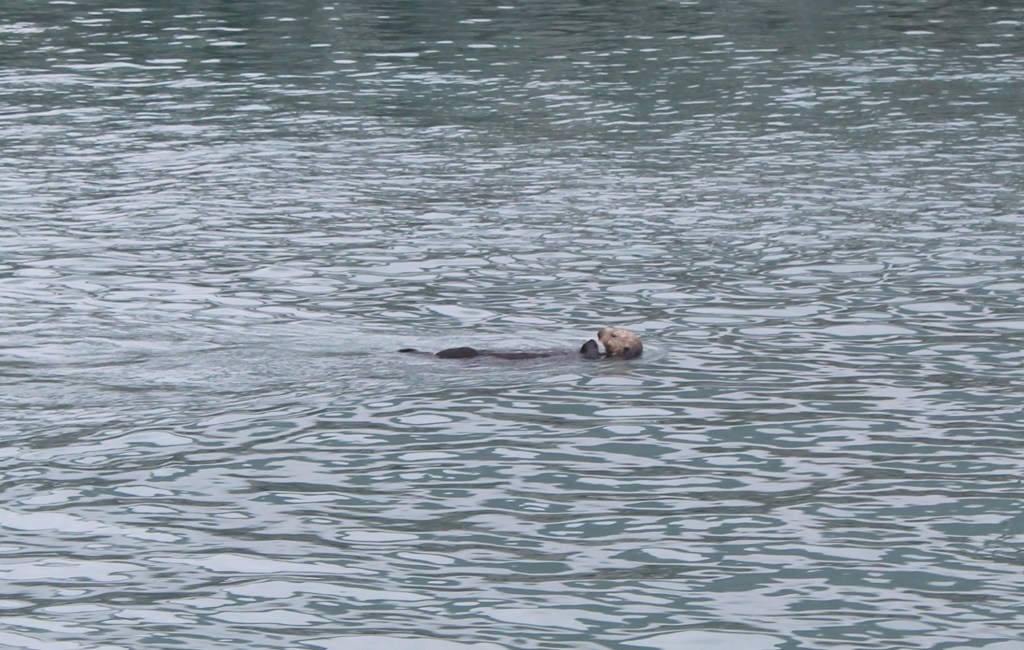
As we headed back to Resurrection Bay, we enjoyed more sights of birds, fantastic cliffs, meandering waterfalls, and even a small raft of sea otters!

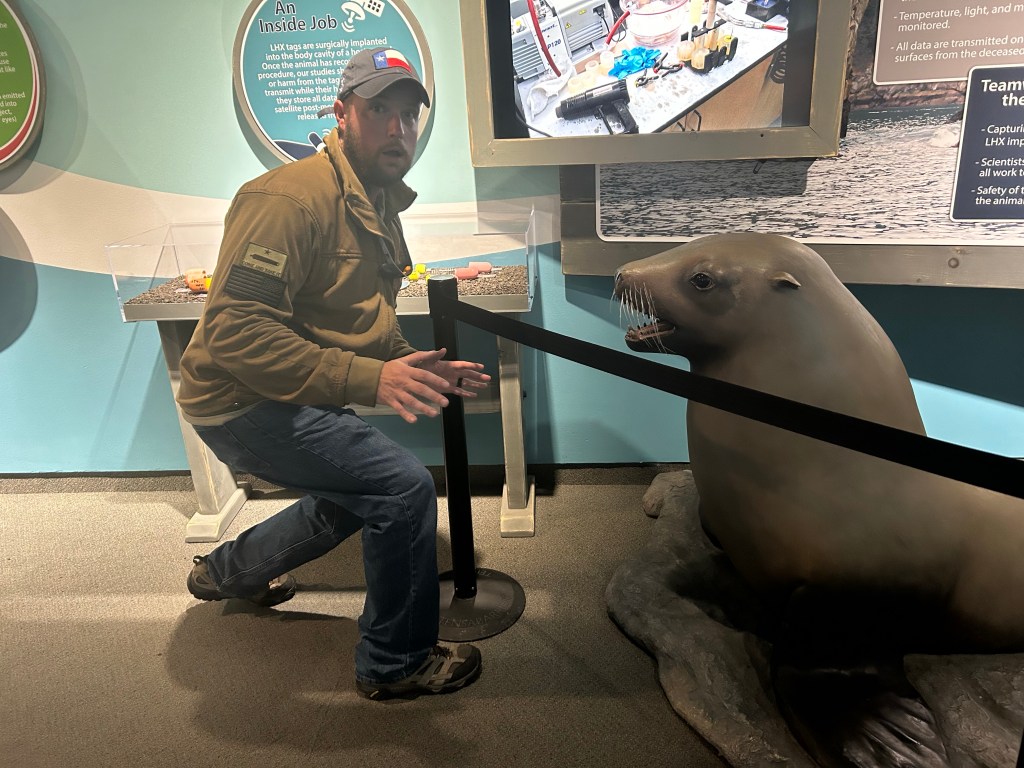
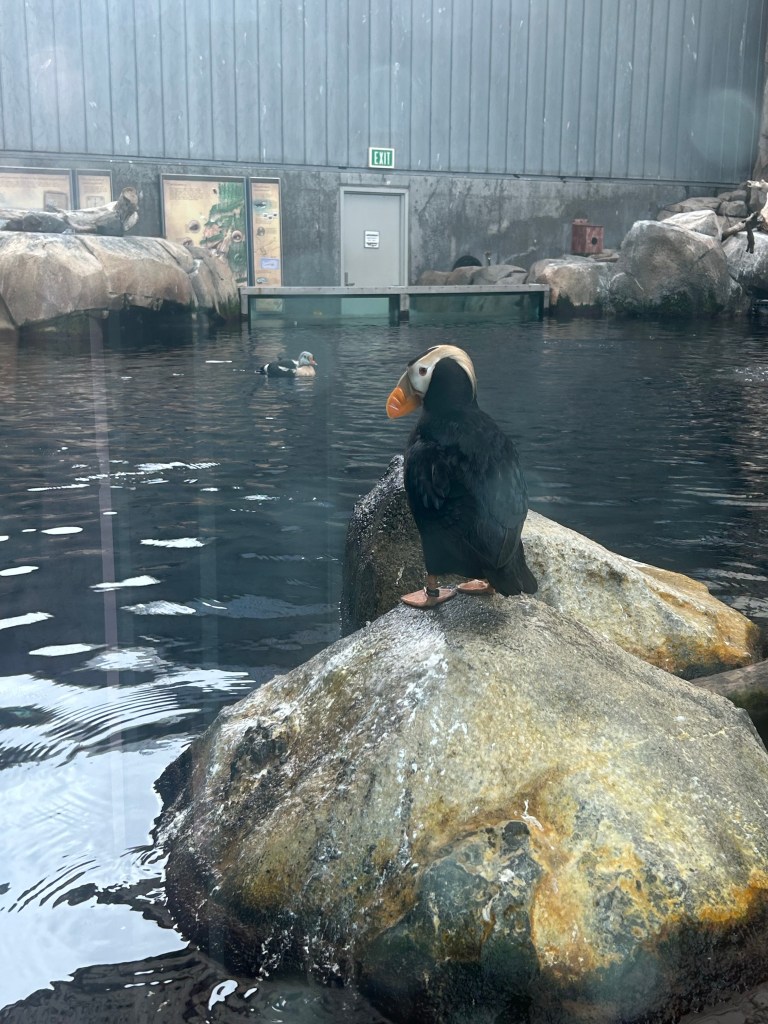
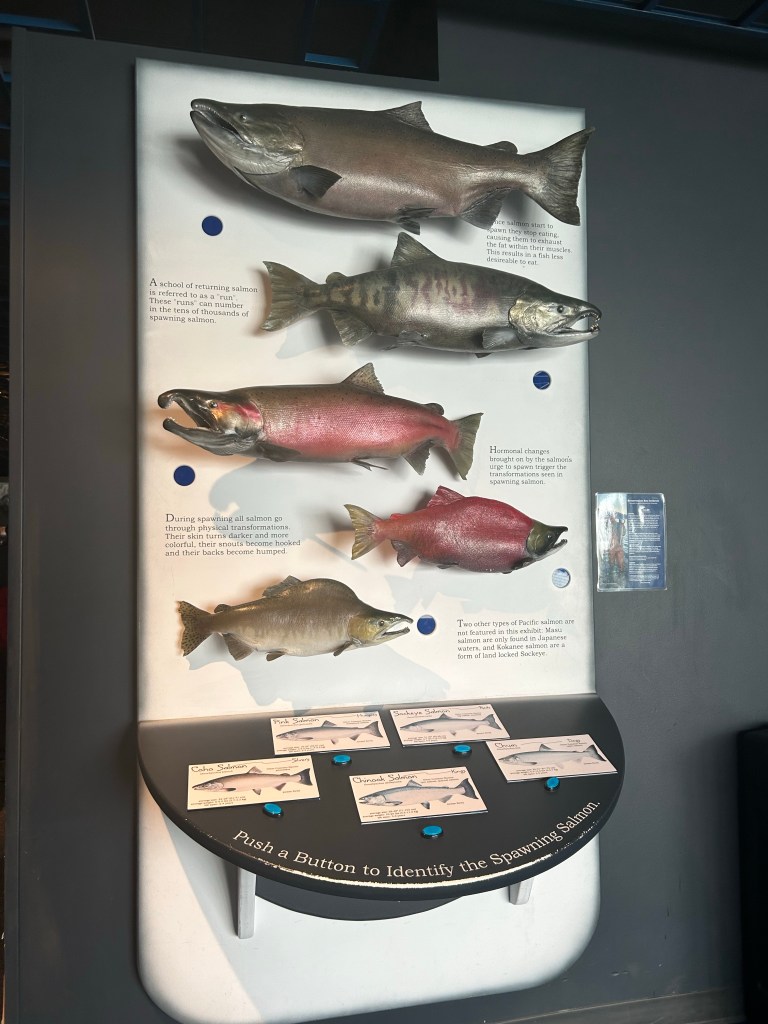
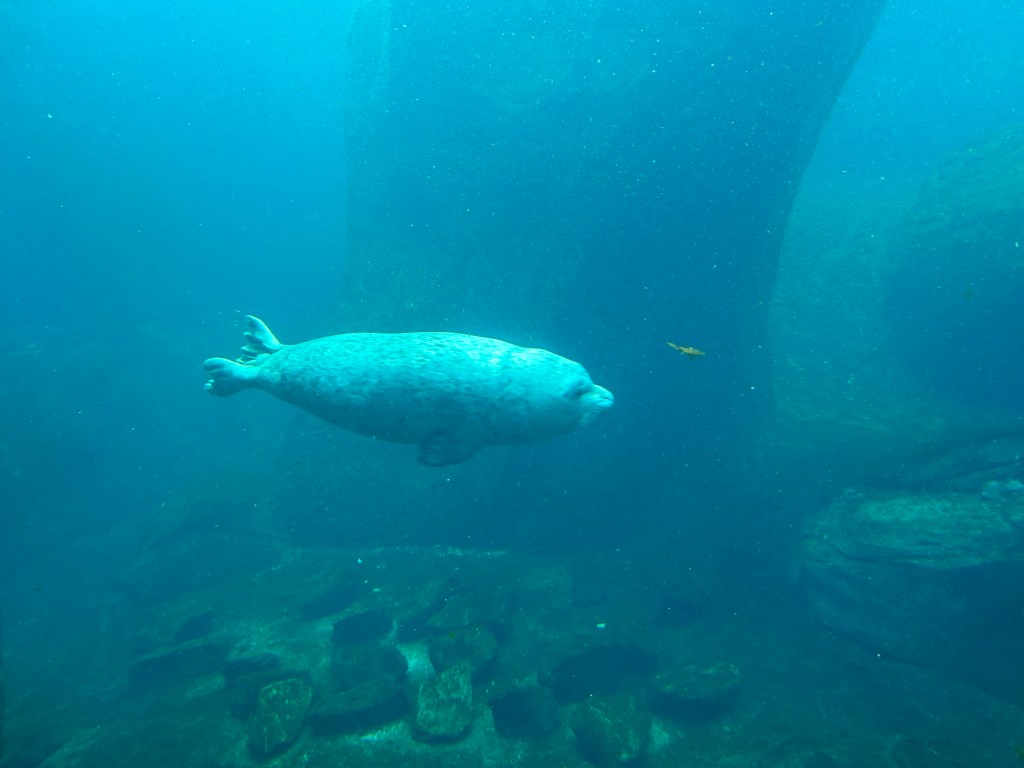
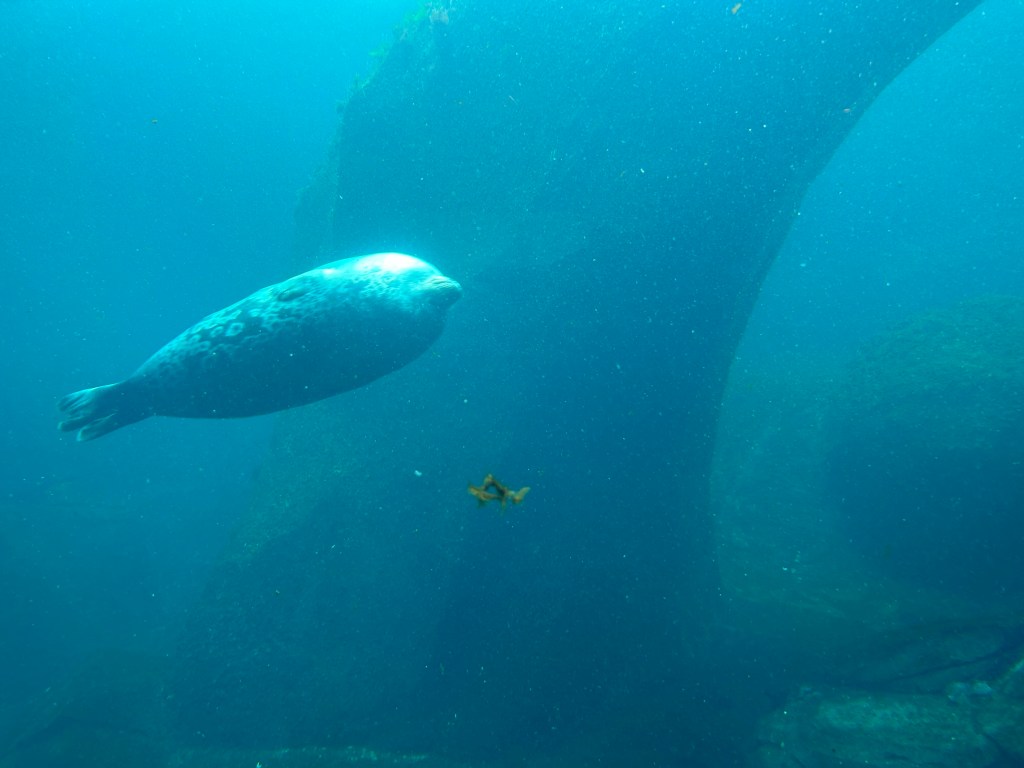
After returning to Seward, we spent some time at the Sea Life Center and enjoyed getting a little closer to the Steller Sea Lions, Harbor Seals, Puffins, and other birds. Did you know that watching puffins dive for food is an instant serotonin boost? You do now.

Here are the puffins being fed! I was surprised at how deep they and some of the ducks would dive for food. Super cool! (And cute!)
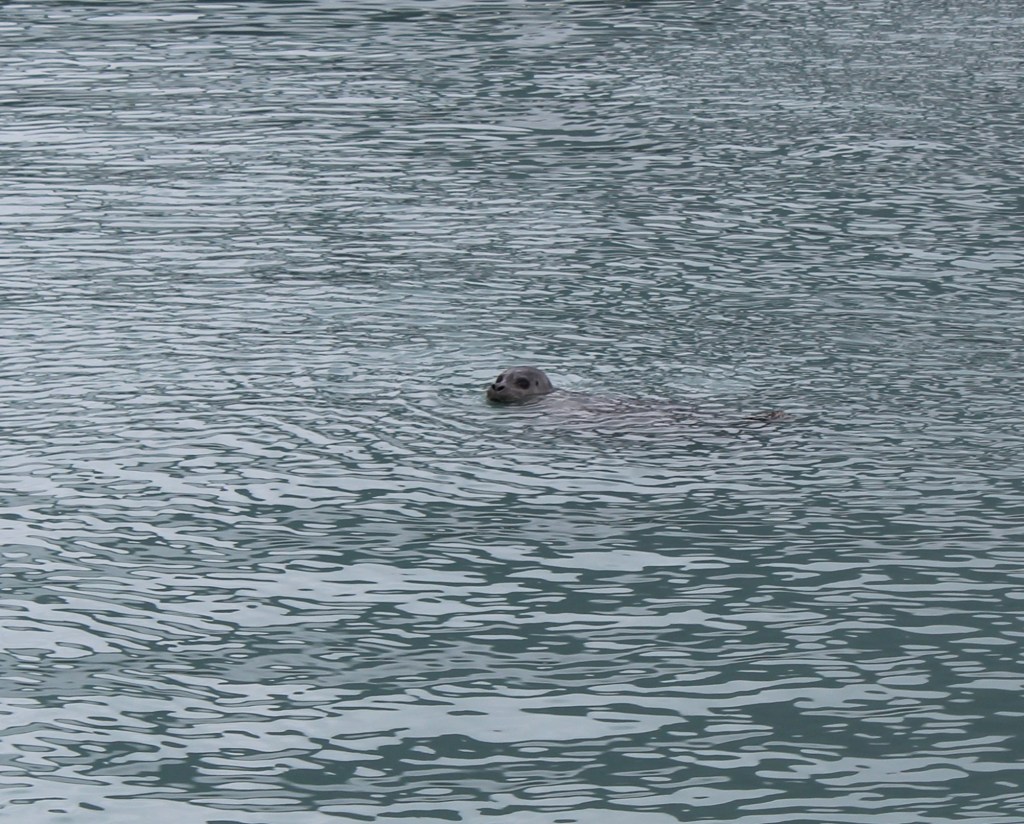
And one more of the seals because I can! These animals were such a treat to see up close at the Sea Life Center!

As we closed the black-out curtains in our hotel room and settled in for the night, I think it’s safe to say that Alaska had already shattered our expectations, and it was only the first full day!

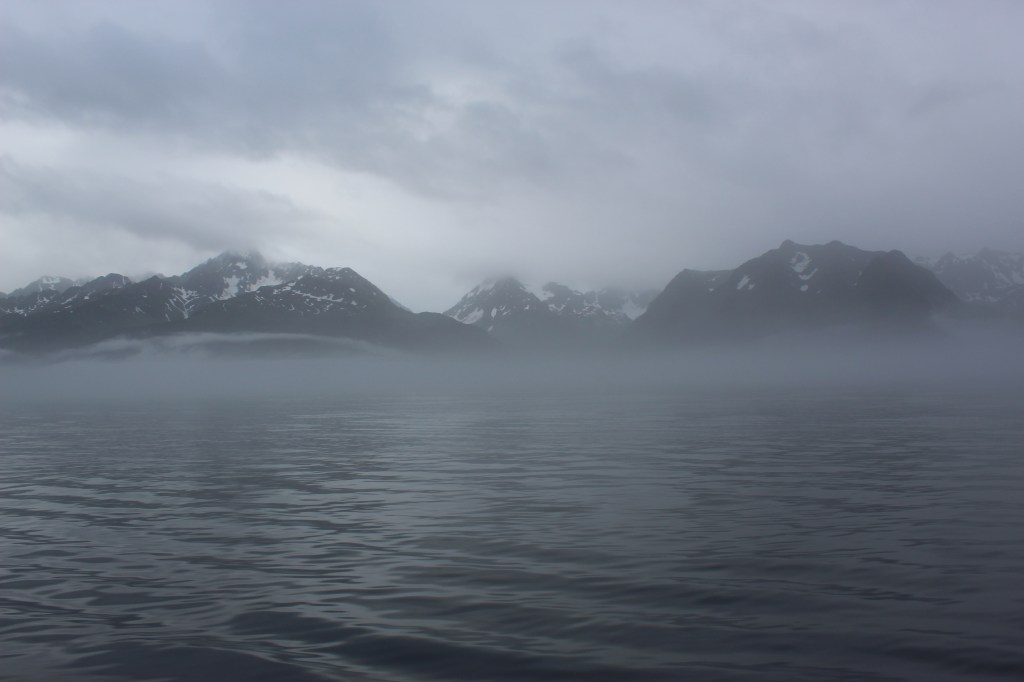
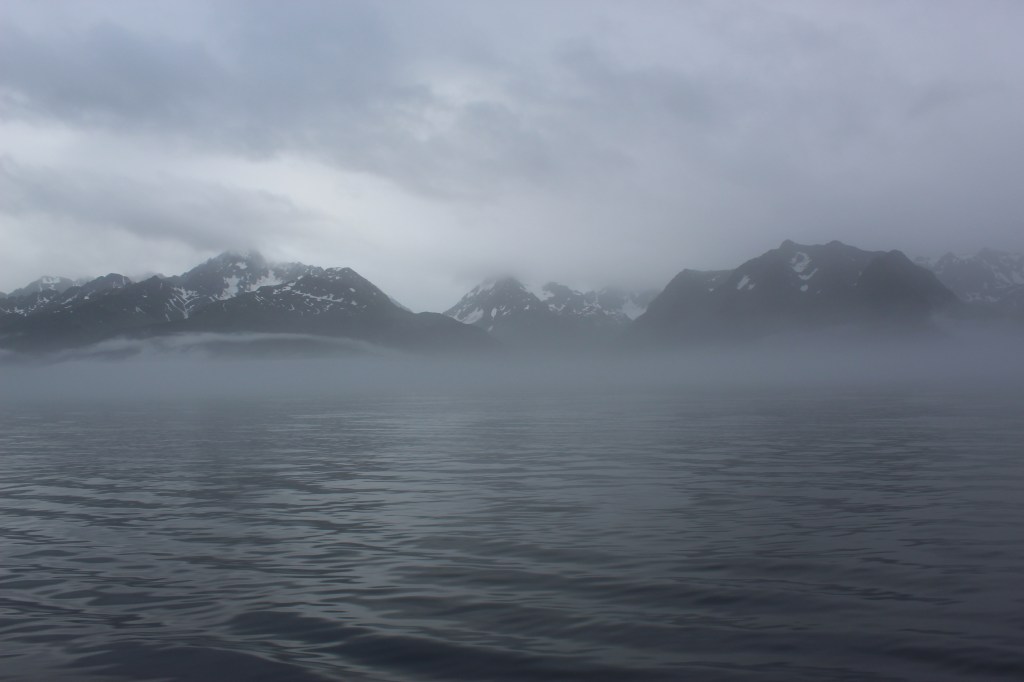
mountains along the fjord shrouded in mist

Next post, we’ll go for one more excursion in Seward before heading to Kenai for our first experience fishing on the Kenai River. I hope you’re ready for several posts about our time in Alaska, because it has become one of the most formative experiences of my life on so many different levels. I can’t wait to share more with you!

Fishing in the 361

Hey everyone! It’s been awhile, but I’m so glad to be back to writing. This summer took off with a bang, and it’s slowing down *briefly* enough that I can finally get in a little blogging!

If you’re not from Texas, you might have heard about the wildly hot temperatures that we’ve experienced as a state lately. Even on the coast, where the Gulf great tempers our weather, it’s been scorching.

And not just on the land! Water temperatures have also been on the rise while tides have started to fall, giving us every fisherman’s nightmare.

Not a bite in sight.

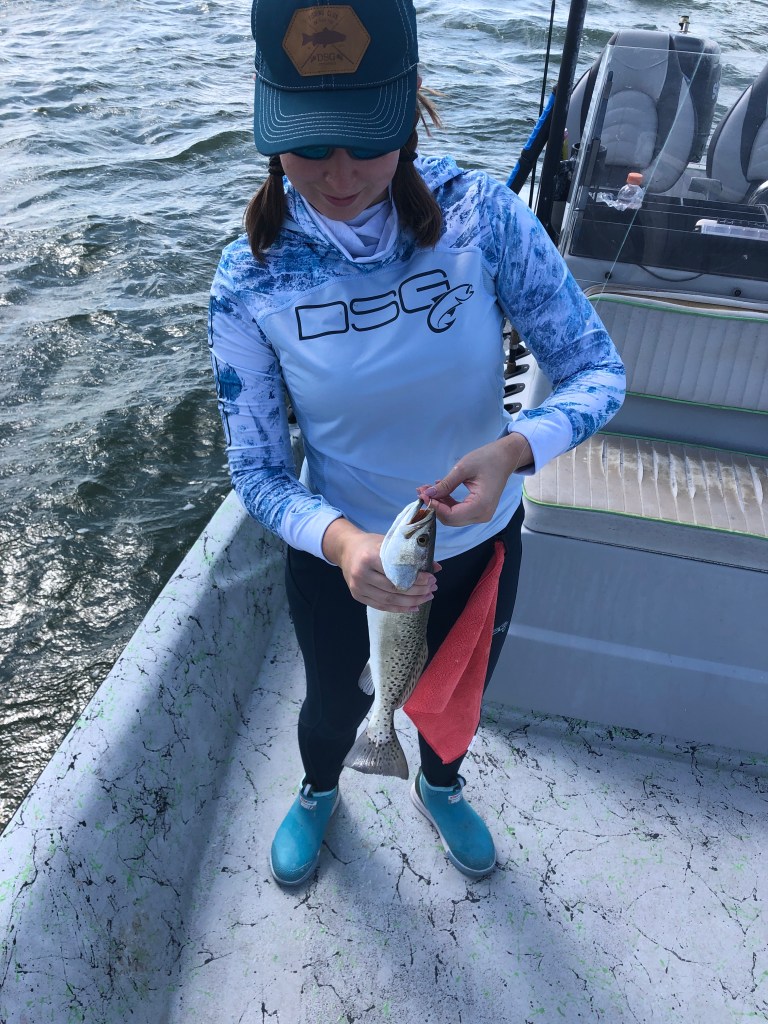
Early on in June before the heat seemed to settle in, we did get on a pretty decent trout bite for a few weeks. Croaker season was in full effect, and the speckled trout in our area were healthier and heavier than ever.

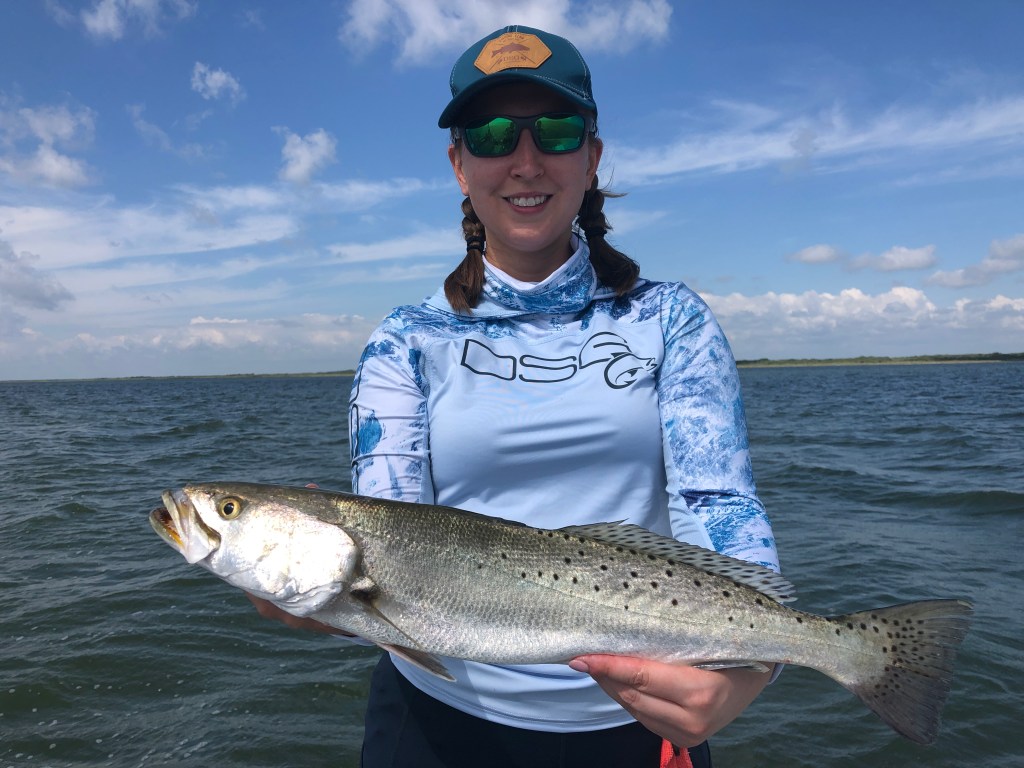
Jessica holding fish

A seasoned fisherman knows after awhile what certain sizes and species of fish feel like when they get hooked; you can distinctly make out the shake of a speckled trout’s head or feel the unrelenting run of a redfish. And you get a knack for knowing about how big that fish has to be to start pulling out drag on your reel.

This year, all bets were off; I would hook into a trout shaking its mighty head and manhandling me all over the boat. My mind would be racing while I worked to keep the rod tip up; this is a big one, this has got to be upper slot! The fish would get closer to the boat, fighting and fighting…

And we’d pull in a little 16″ trout that we couldn’t even keep!

jessica taking the hook out of a small speckled trout

Even my tried and true croaker fishing timing had started to fail me; typically, when I’m croaker fishing, I’ll let the trout take the bait for about 12 seconds before I set the hook. It’s enough time for them to get hooked without getting gut hooked.

Well, not anymore!

I watched my hook get stripped several times before I amended my timing to about 5 seconds. And at that point, it was game on; any fish I could hook, I could land. As long as the bite lasted early in June, we pulled in almost exclusively upper slot fish and it was such a joy to see this species thriving after being decimated by the freeze in 2021.

The speckled trout of the Laguna Madre in Texas are a true testament to the power of Mother Nature. In the same way that wild fires clear the land for new, healthier growth, that freeze allowed for a healthier population of speckled trout to grow in our area. Where they were once almost too plentiful, now there is plenty of food for them to grow bigger and stronger. In my 7 years of fishing this area, these are the by far the healthiest fish I’ve ever seen.

And with the new limits in place, we’re seeing bigger fish caught every year. Before the freeze in 2021, the range was 15″ to 25″, and you could keep 1 oversized trout per day. After the freeze, they shortened the range to 17″ to 23″, and no oversized fish could be kept. As you might imagine, there was some serious backlash about the range (especially since the fish breeding the most are typically within that size range!), but I think there has been a benefit to the limit.

You hear it in deer hunting all the time; “let them grow up”. Let the young deer go so they can get bigger before they’re harvested. For the first time in a long time, the trout have been allowed to grow up to be those large 25+” fish that were becoming less common over the years. My husband has his heart set on catching a trophy sized trout at 30″ someday and I think his chances will be better than ever.

Until the heat fades and the water levels rise, though, it’ll be awhile before any of us down here are having super productive days on the water! Fishing has been tough the last couple of years, but if there’s anything we learn while fishing, it’s resilience and patience. As someone who is hopelessly hooked on fishing, I’m willing to wait and try again.

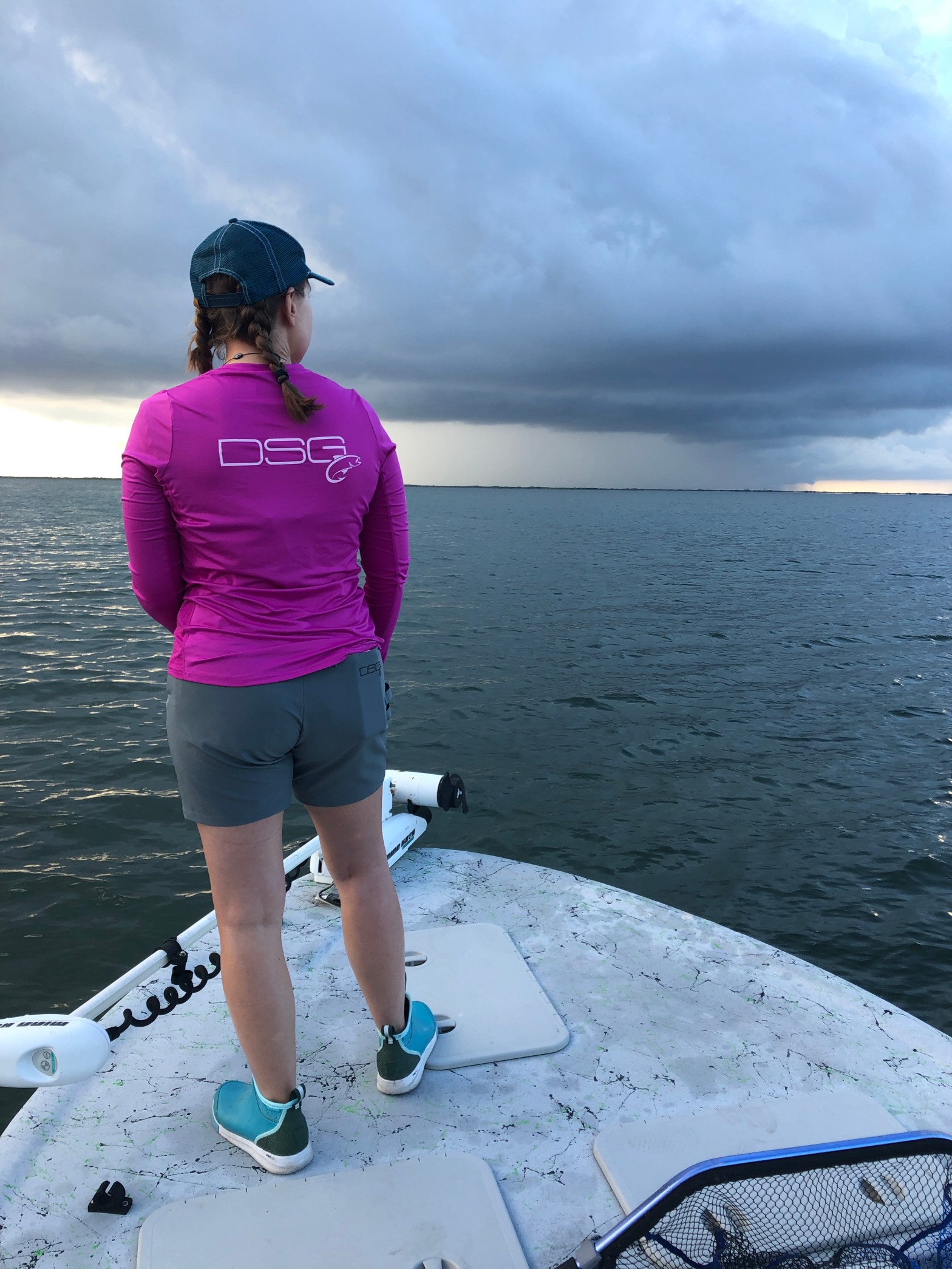
Jessica standing on a boat with a storm in the background while fishing

Spinning Reel Hack!

It’s been a long time since I’ve shared to my YouTube channel, but I’m working on getting back on the horse!

With fishing season now around the corner, I’m posting a throwback to one of my tried and true methods of fishing for speckled trout here in the Laguna Madre. Hooking them properly during croaker season can be a little challenging, but I’ve found a little trick that works perfectly for hooking finnicky trout!

It’s just about that time for fishing with croaker again, and I can’t wait to be back in the Laguna. I’m not making any promises about sharing a bunch of YouTube videos, but I’m going to try to share some this summer!

Enjoy!

Around the World in Ten Days: Ranthambore

As excited as we were to experience the majestic history of the Red Fort and Taj Mahal, the prospect of Ranthambore really captured my imagination on our trip to India.

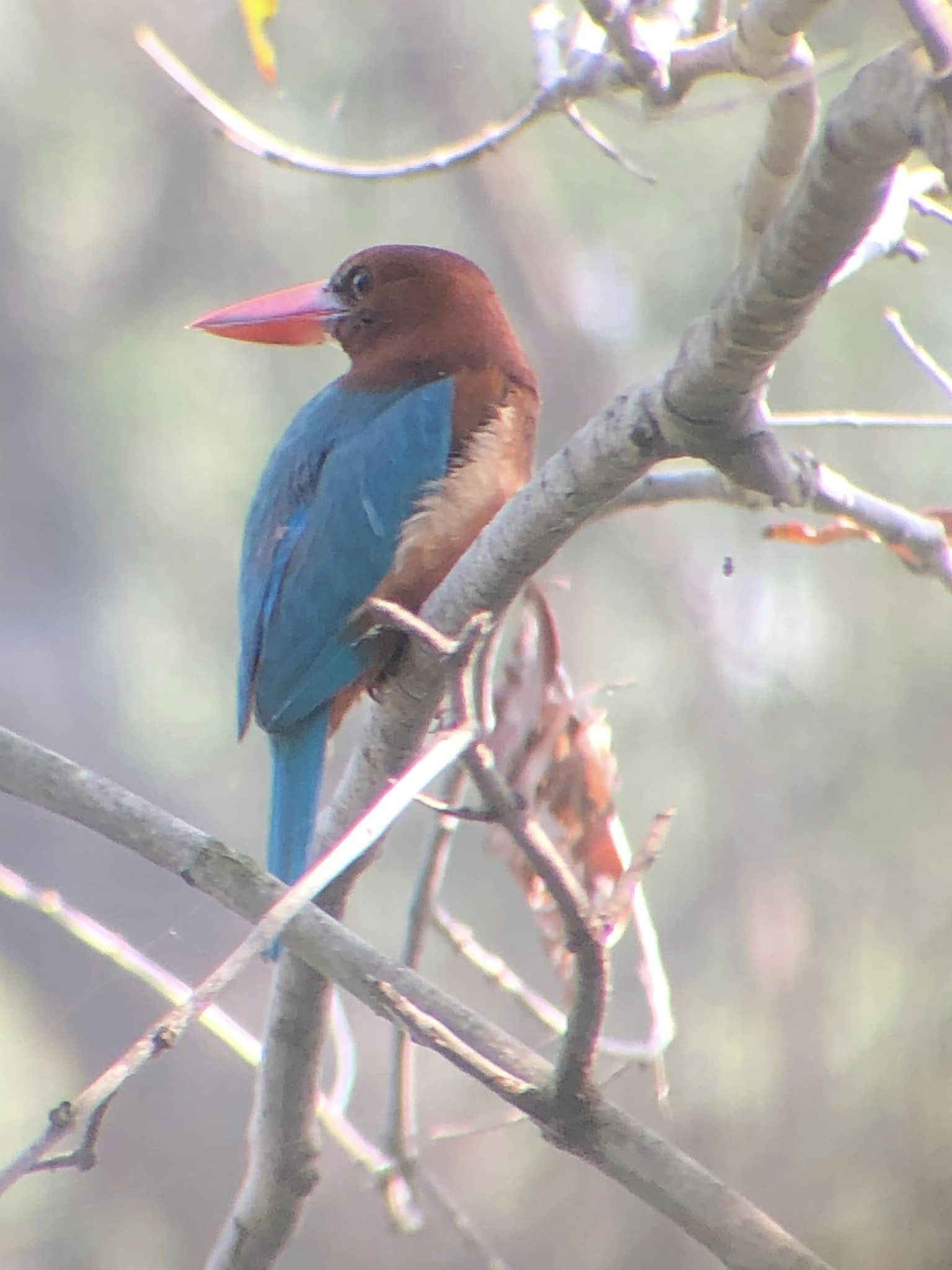
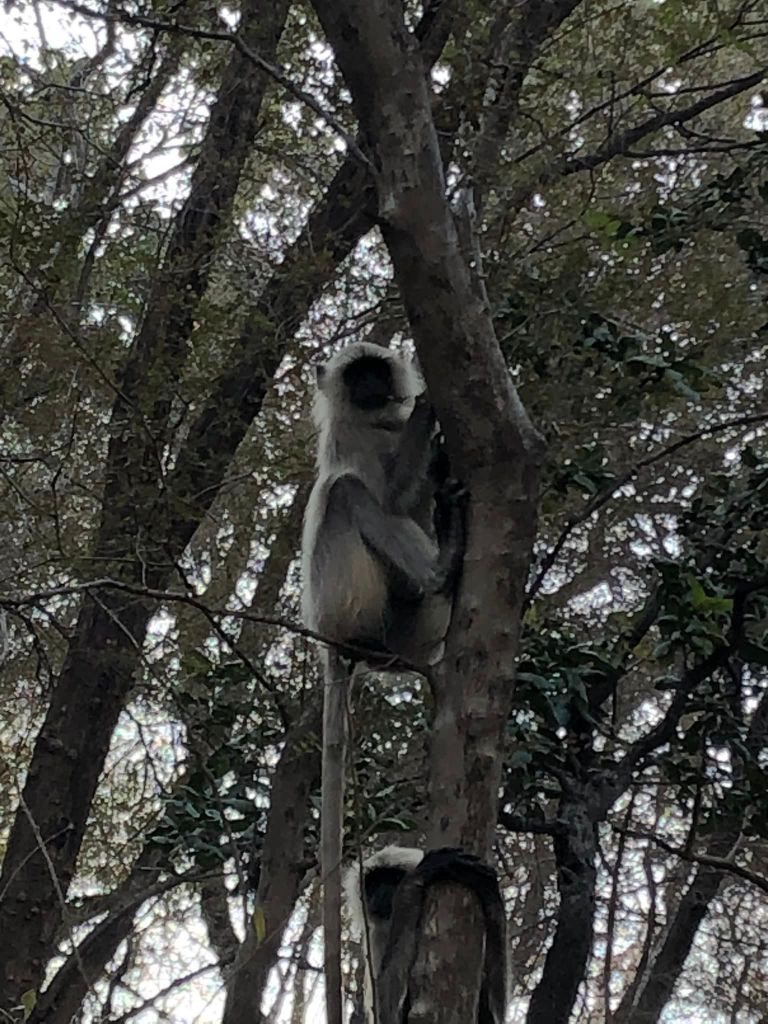
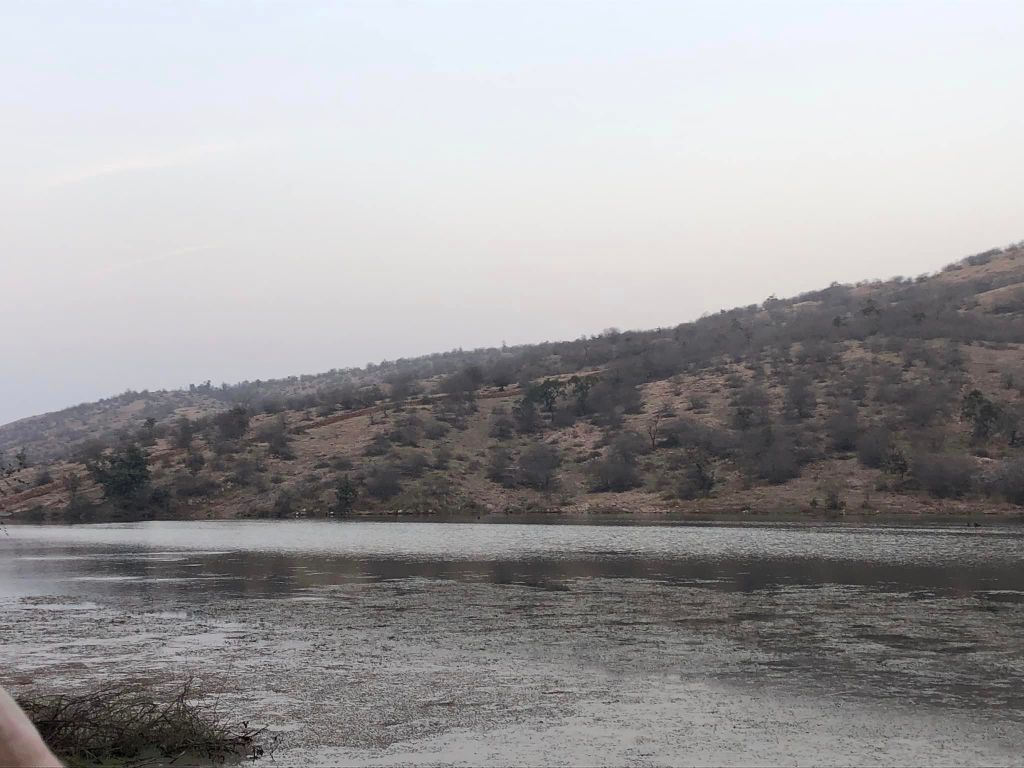
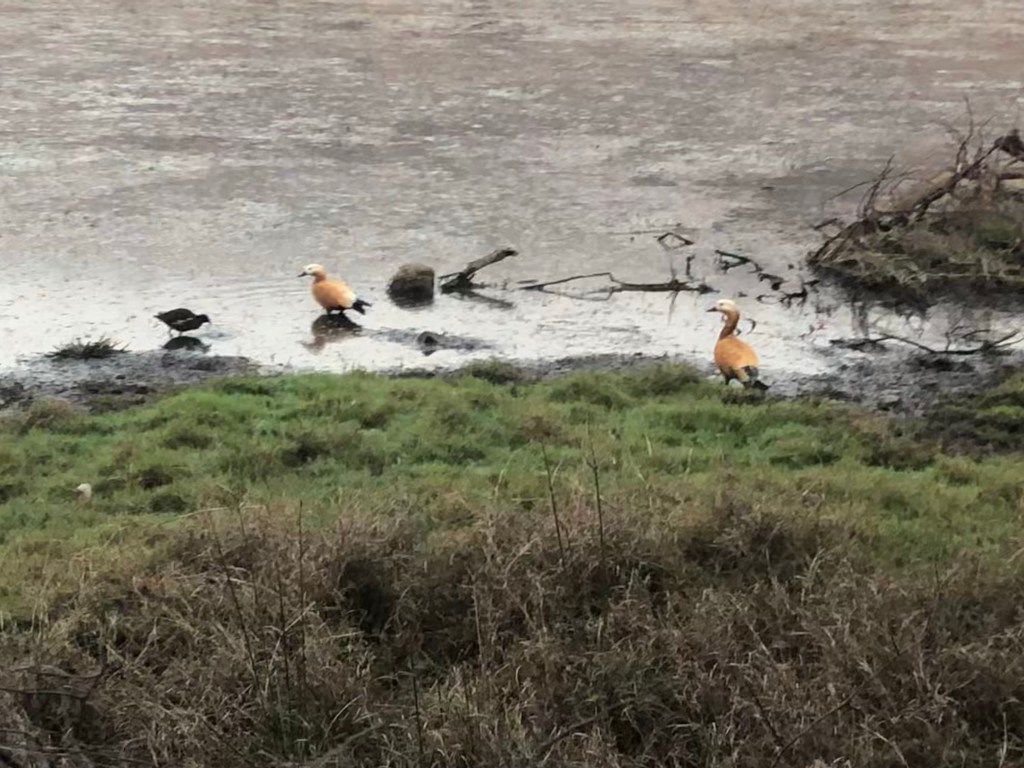
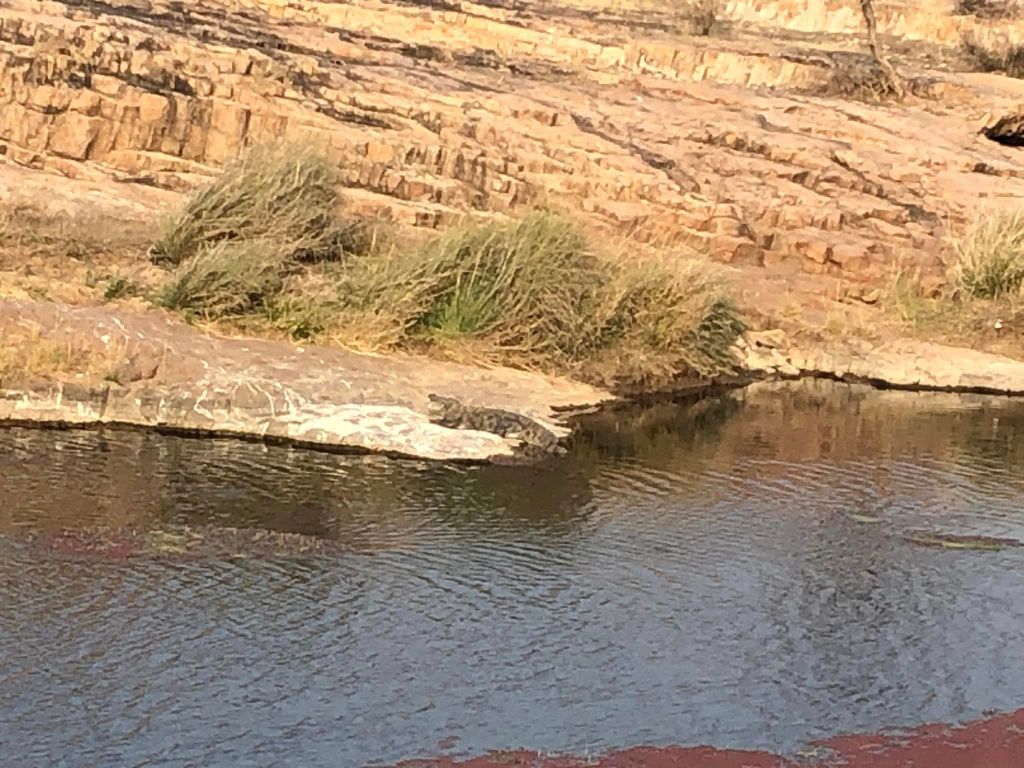
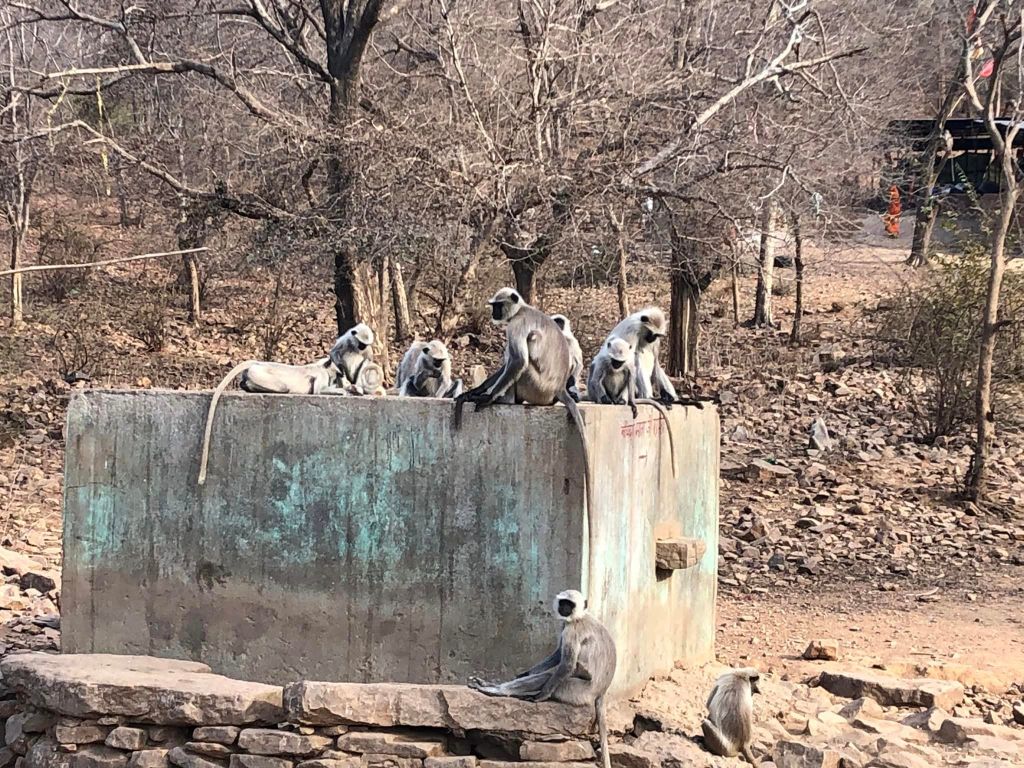
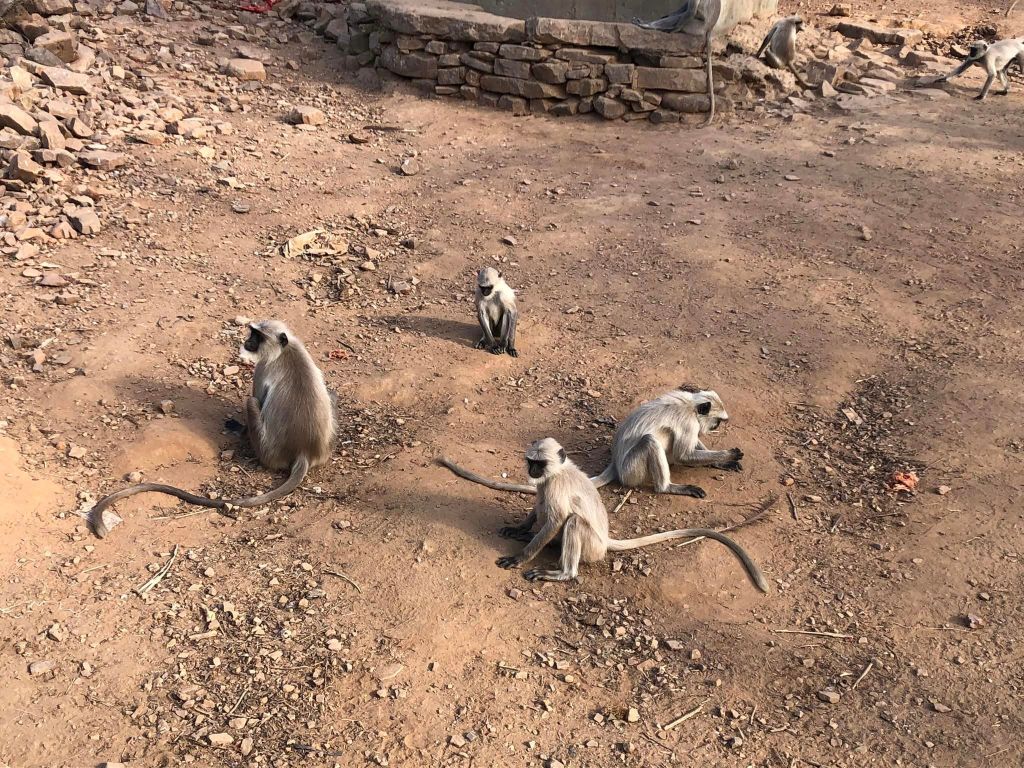
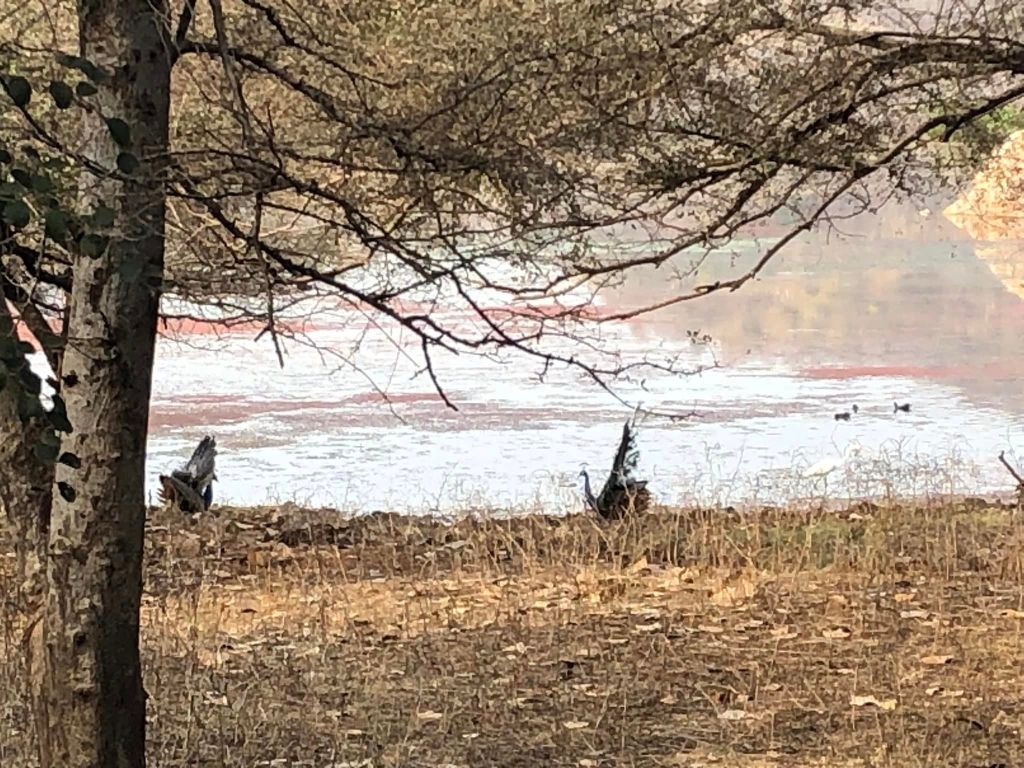
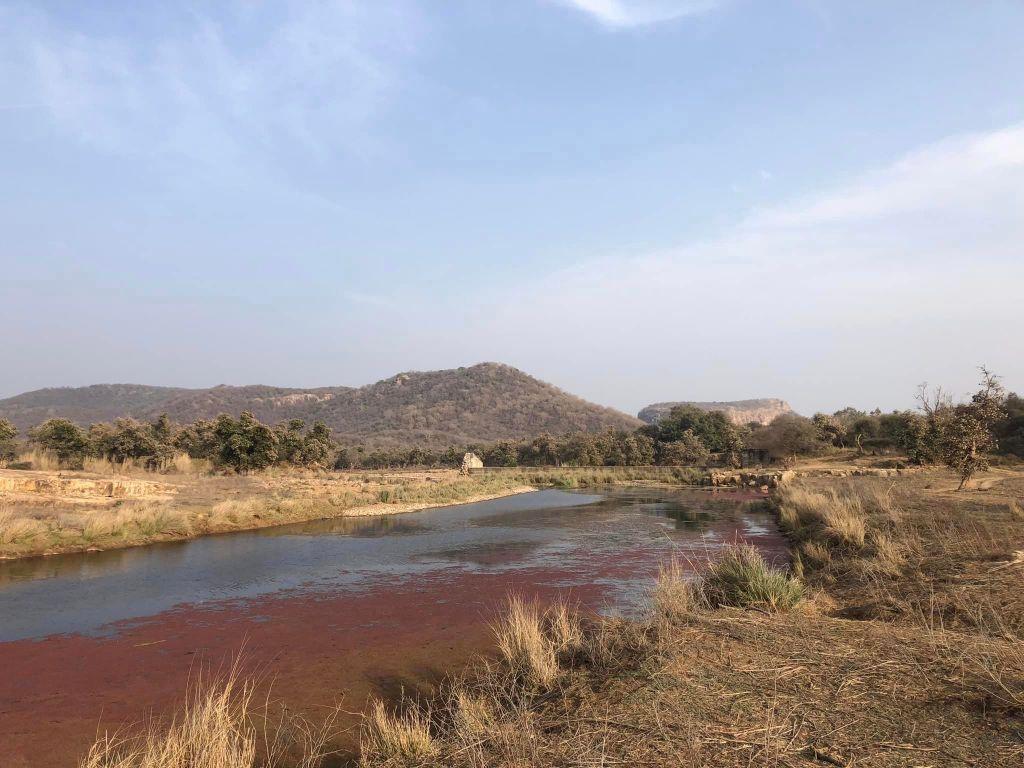
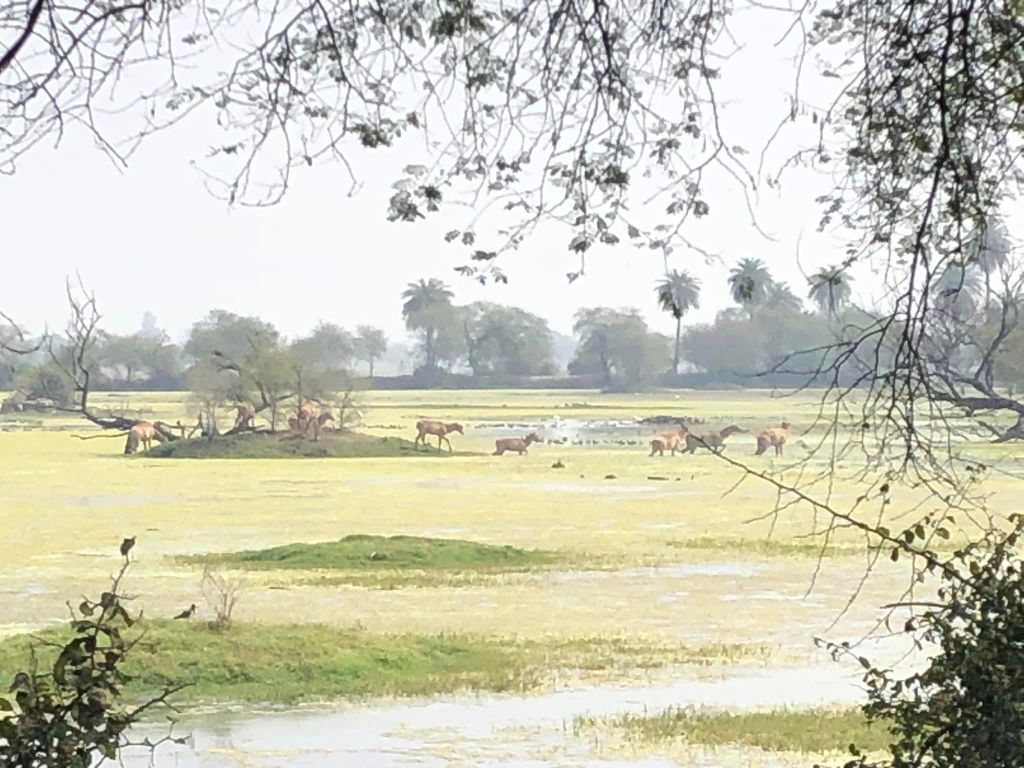
We would embark on two separate safaris in search of solitary Bengal tigers deep within the thick jungle of Ranthambore National Park. The park covers 515 square miles of forested land to protect tigers, sloth bears, various deer, peacocks, monkeys, and other forest dwelling creatures of South East Asia.

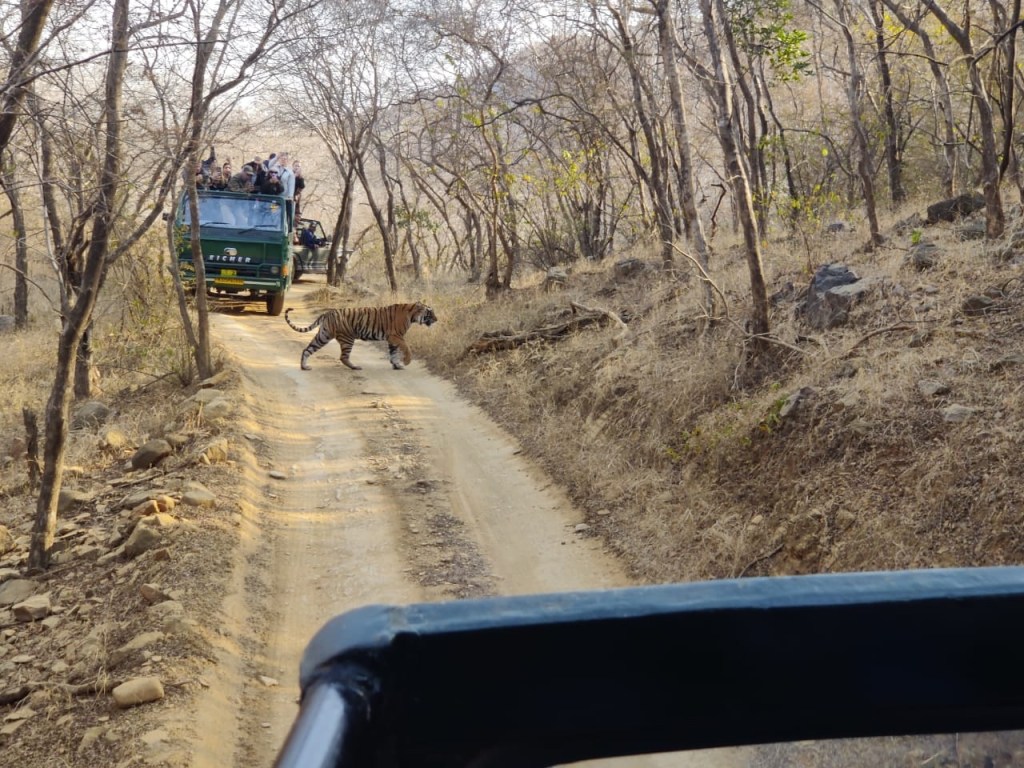
Let me just let you off the hook before you keep reading; we didn’t see any tigers. They have such large territories that it’s pretty unusual to see one, though that’s always the hope as these safaris take off under a dark morning sky. Our guide even mentioned a couple going on trips for six days before they finally saw one! That’s the way it goes, sometimes.

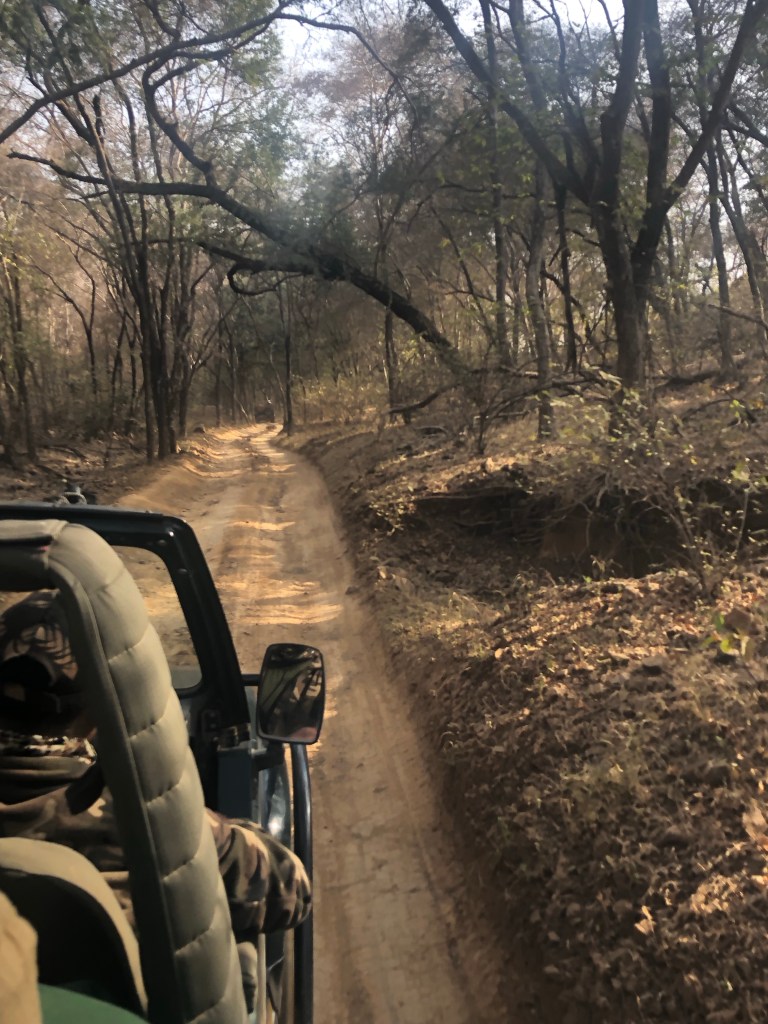
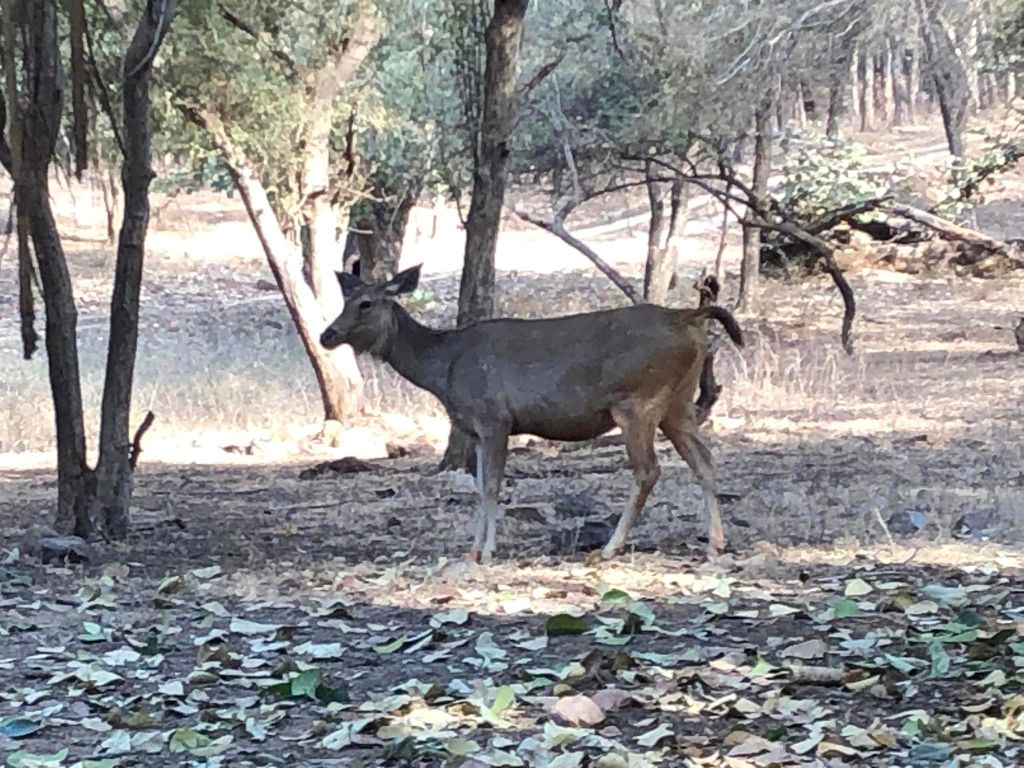
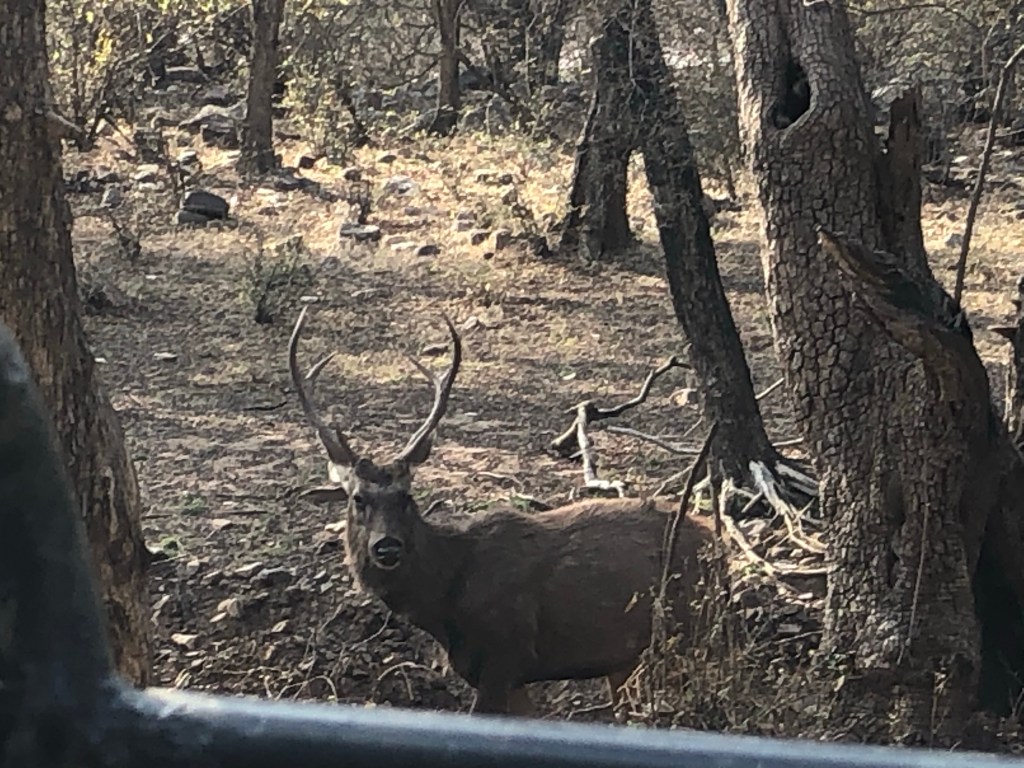
We set out on the first morning in a jeep, the sun still hidden behind tree-covered mountains. Sambar deer called softly in the darkness, and our guide thought it might have been a sign that predators were in the area. We later found out it might have been because it was actually the sambar deer rut.

I think you’ll enjoy our journey through the park better in as many pictures as I can share without crashing my own site!

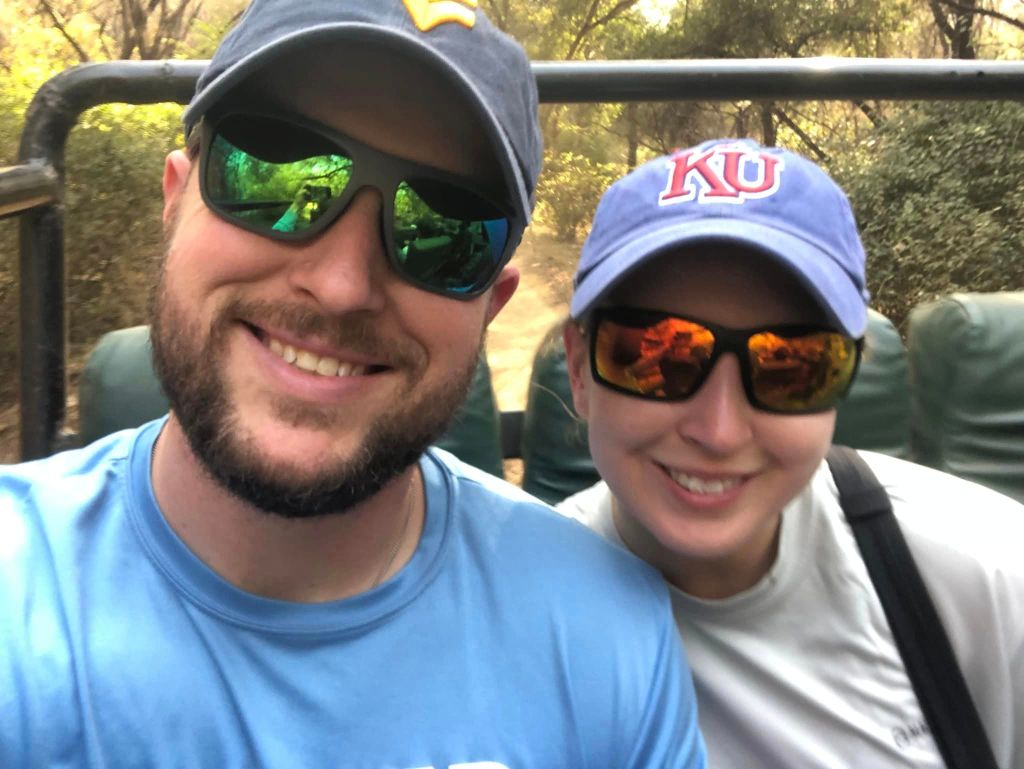
We took a short break back at our beautiful hotel, probably my favorite that we got to stay in! It almost felt like hunting back home, stumbling in after an early morning searching for animals and taking a short nap before setting back out to try again. Except the only thing I would be shooting with was my camera!

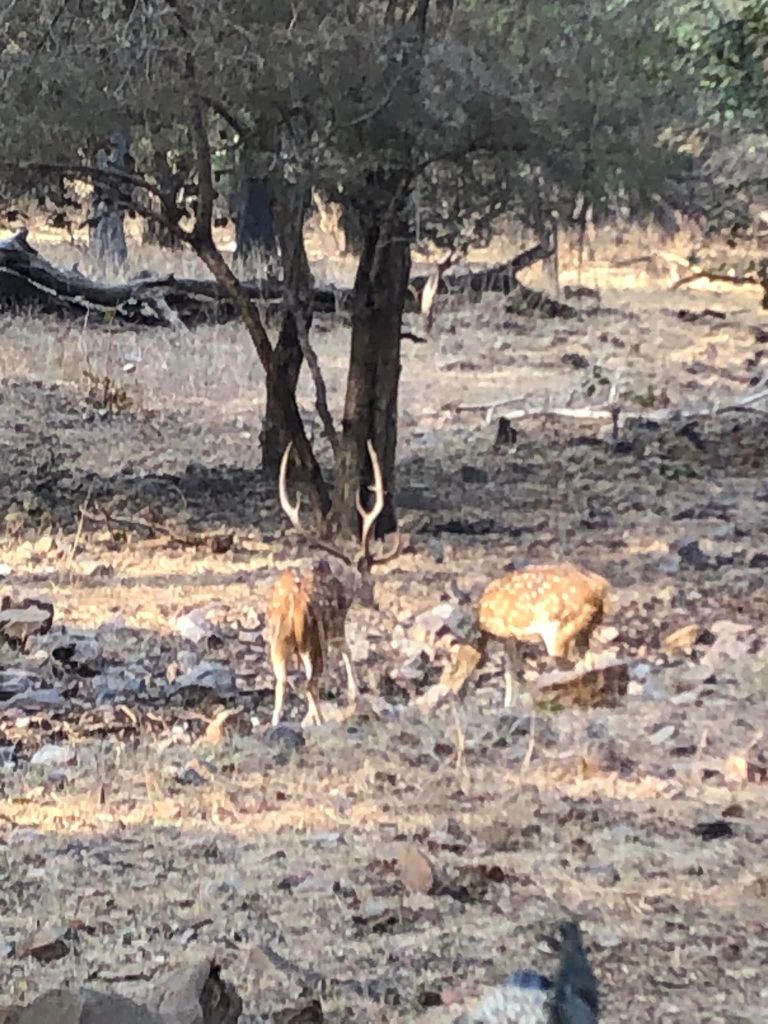
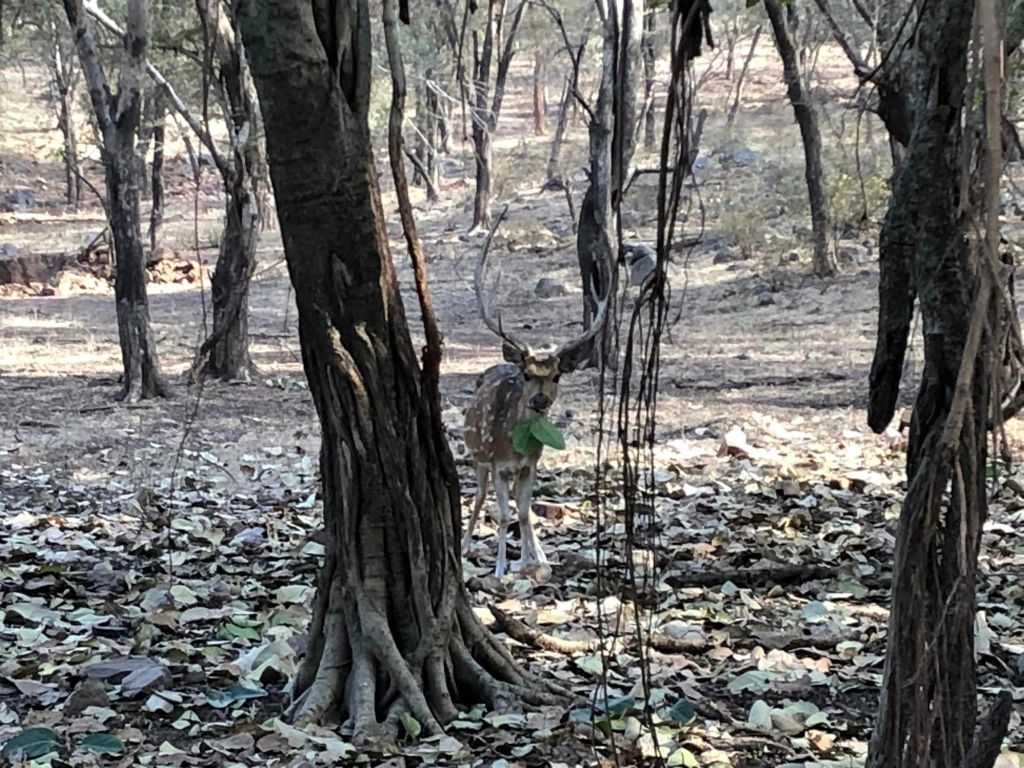
We set back out on a larger vehicle, and I’m not entirely sure what to even call it… We went back in search of tigers and learned this time that it was definitely the sambar deer and spotted deer (or as we call them, axis deer!) rut in India. From massive bucks catching their breath after chasing does to aggressive showdowns, we enjoyed experiencing a special time of the year for these animals.

Court, my husband, and I also agreed that we would probably never axis deer back in Texas quite like the ones we had seen at Ranthambore National Park. What an incredible experience it was.

Just as we were about to turn in, we came across a truly rare sighting; a sloth bear! Thought they look small, fluffy, and cuddly, they’re tough enough that even Bengal tigers will go out of their way to avoid them. Their long, sharp claws are formidabl for defense or offense, and they allow for quick climbing, too. If a tiger won’t mess with them, I probably wouldn’t, either!

It was pretty far away, but it really didn’t look very big, not like black bears and grizzlies in North America!

As an avid outdoorswoman, it was such a privilege to see these animals in their native habitat. You think you know about something when you’ve experienced it in the United States, whether it’s poffertjes in Pella, Iowa or spotted deer in South Texas; but it’s never quite the same as what you find when you go to the source.

Just two days after we left the wedding in Jaipur, long after we had left the mystifying trees of Ranthambor National Park, a friend of the groom’s was able to prove to us that there were, in fact, tigers in Ranthambore; it just wasn’t our turn to see one, yet.

They’re real!!

Spinning Reels Vs Baitcasters: Which One To Choose?

With open water fishing season just around the corner, it’s time to start thinking about your equipment and what you might need (or want!) this summer! So… spinning reel or baitcaster?

Think about it like this; in most sports, when you reach a certain level of dedication and skill, you find yourself trading our your equipment for something new and considerably more difficult to use that also reaps greater rewards.

For inshore fishing, that is undoubtedly the difference between fishing with a spinning reel and a baitcaster. As someone who has fished with both, there are definitely pros and cons to each type of reel!

Is fishing with a baitcaster the end-all, be-all of inshore fishing? Nope. But it can be a major game-changer when it comes to hooking and landing bigger fish.

Spinning Reel Vs. Baitcaster

Let’s run down the main differences between a spinning reel and baitcaster before we start diving into the benefits!

The spinning reel consists of a spool of line that is guided by a piece called the bail up along the rod. As you start reeling, the spool spins and starts pulling the line in. In order to allow the line to move freely, you have to “flip” the bail (this is an integral part of casting the spin caster, too). You can tighten the drag using a knob on top of the spool to make it easier or harder for fish to pull out line while the bail is closed.

Short little video showing the mechanics of a spinning reel; very easy and quick to learn!

The bait caster is a bit more complicated. At the bottom of the spool, there is a thumb bar that you can press to allow the line to move freely out of the spool and up along the guides on the rod. In order to reengage the thumb bar, just start reeling! This reel also includes magnets that allow the spool to spin faster or slower when the thumb bar is disengaged, which is extremely important when casting. There are two knobs to adjust these magnets (one for major adjustments and another to “fine-tune”).

The baitcaster is a little more complicated and has a bit of a learning curve.

So which one is better? Well, this is typically a personal preference, but there are definitely some key advantages to a baitcaster, especially for a more skilled angler.

Casting – Advantage: Baitcaster

When it comes to casting, the baitcaster is far superior. In my experience, it takes a lot of effort to fling that bait with a spinning reel, especially when you have a longer liter for things like top-water rigs. And if you’re like me, by the time you’ve gotten enough momentum to sling that bait as far as you can, the accuracy is completely gone.

With the baitcaster, it doesn’t take nearly as much force to get the bait moving in the air and because you can control how fast the line unspools in the air, you have the ability to sling it much farther. Within an hour of working with a baitcaster, I was casting almost twice as far as I can with a spinning reel. With a little more practice, I was actually able to cast more accurately, too.

The other thing I love about casting with a bait caster is that you don’t need as much room to cast. This is especially helpful if you’re casting in a busy or crowded area. We are lucky to have a long, wide boat and when there are more than three people, it becomes tricky (and if you’re around me, hazardous!) to cast a spinning reel.

Windy Weather – Advantage: Spinning Reel

I know I just made a big deal about how much better the baitcaster is with casting, but there is one instance where that just won’t be the case. Windy weather.

When you cast a baitcaster, you control the speed with the pressure of your thumb on the spool as it unspools in the air. If spool starts rotating faster than the line, the line can start to tangle on the spool. This can happen with any cast, and you’ll often find yourself quickly smoothing out a tiny one or adjusting your thumb on the spool to fix one, and that’s completely normal. Every once in awhile, though, you’ll get one bad enough that you’ll either spend a lot of time fixing it on the boat, or, *gulps* you’ll have to cut it off when you get home…

When the wind is at your back, though, you can cast like a dream without any issues (and most captains on a boat will situate it so you get to cast this way). If you’re on a dock or stuck casting into a cross wind or wind at your face, this will make baitcasters much easier to tangle and potentially more frustrating than helpful in the end.

The spinning reel, though, is much harder to tangle no matter what direction the wind is coming from. Since it relies on the bait flying through the air to pull the line out of the spool, it’s extremely difficult to birdnest a spinning reel. (I didn’t say it was impossible, though!)

At the end of the day, I would say that this is the major downfall of a baitcaster, but it’s still usable in windy weather if you can get the wind at your back.
Landing Fish – Advantage: Baitcaster

Long before I ever got the chance to learn to cast with them, I have actually landed several fish on a baitcaster. Usually on my husband’s rig while he was fixing mine up!

The ability to let the fish run with line makes for a more flexible approach to landing a fish, especially a big one. When we fish with croaker, I used to miss several large fish because they would start running with the bait before I could flip the bail and give them some space, which inevitably ended with them coming loose.
With a baitcaster, that control is as simple as pressing your thumb down to disengage the thumb bar. And when you want to start reeling, you just start reeling instead of fumbling with a bail. There’s nothing quite as disappointing as getting a huge hit, only to lose a monster because there was no room for it to run.

So… Which one?

If have the time to really learn it, I absolutely recommend a baitcaster to anyone serious about fishing! All of the pros really outweigh the cons. It’s easy to handle, makes casting a breeze, and gives you a little more room to fight that monster fish.

My only caveat to this is that if you’re newer to fishing or haven’t mastered the spinning reel, start there. I know people who have fished most of their lives with a spinning reel and caught monster fish; using a baitcaster is not a requirement for success. The spinning reel teaches you all of the fundamentals and delivers high performance in almost all conditions.

My Finnore spinning reel has been my trusty companion now for a couple of years, and I’m excited for more fishing adventures with my Abu Garcia baitcaster! That’s the beauty of reels; they have one that works for everyone, so you just have to find the one that’s best for you.

me fishing with a baitcaster